
A workwear procurement strategy should connect the people wearing the garments with the product specification, supplier responsibilities, approval process, issue method, and replacement plan. For tailored workwear, a buyer is not only purchasing jackets or trousers. The programme must support different roles, body sizes, working environments, locations, and future staffing changes without losing the approved appearance.
This guide focuses on corporate, hospitality, education, venue, travel-service, and other organisations sourcing suits, blazers, trousers, waistcoats, or coordinated businesswear. It is an operational procurement framework, not legal advice and not a universal tender specification. Commercial terms, local rules, worker consultation, privacy, safety, and product-compliance requirements must be reviewed for the actual programme and destination.
1. Convert the uniform idea into an operating need
Start with the organisation and wearer groups rather than a catalogue style. List the roles, locations, number of wearers, presentation level, working environment, movement needs, issue date, replacement pattern, and expected programme duration. Separate permanent staff, seasonal staff, new starters, reserve stock, and special-event needs where those groups will be managed differently.
Then define the garment scope by role. A reception team may need a coordinated jacket-and-trouser standard, while managers use a related three-piece option and event staff receive a blazer. This role map becomes the foundation for quantities, sample testing, size collection, packing, and reorders.
The hospitality and corporate suit programme brief provides a role-based starting point for tailored businesswear.
2. Decide what the procurement process must prove
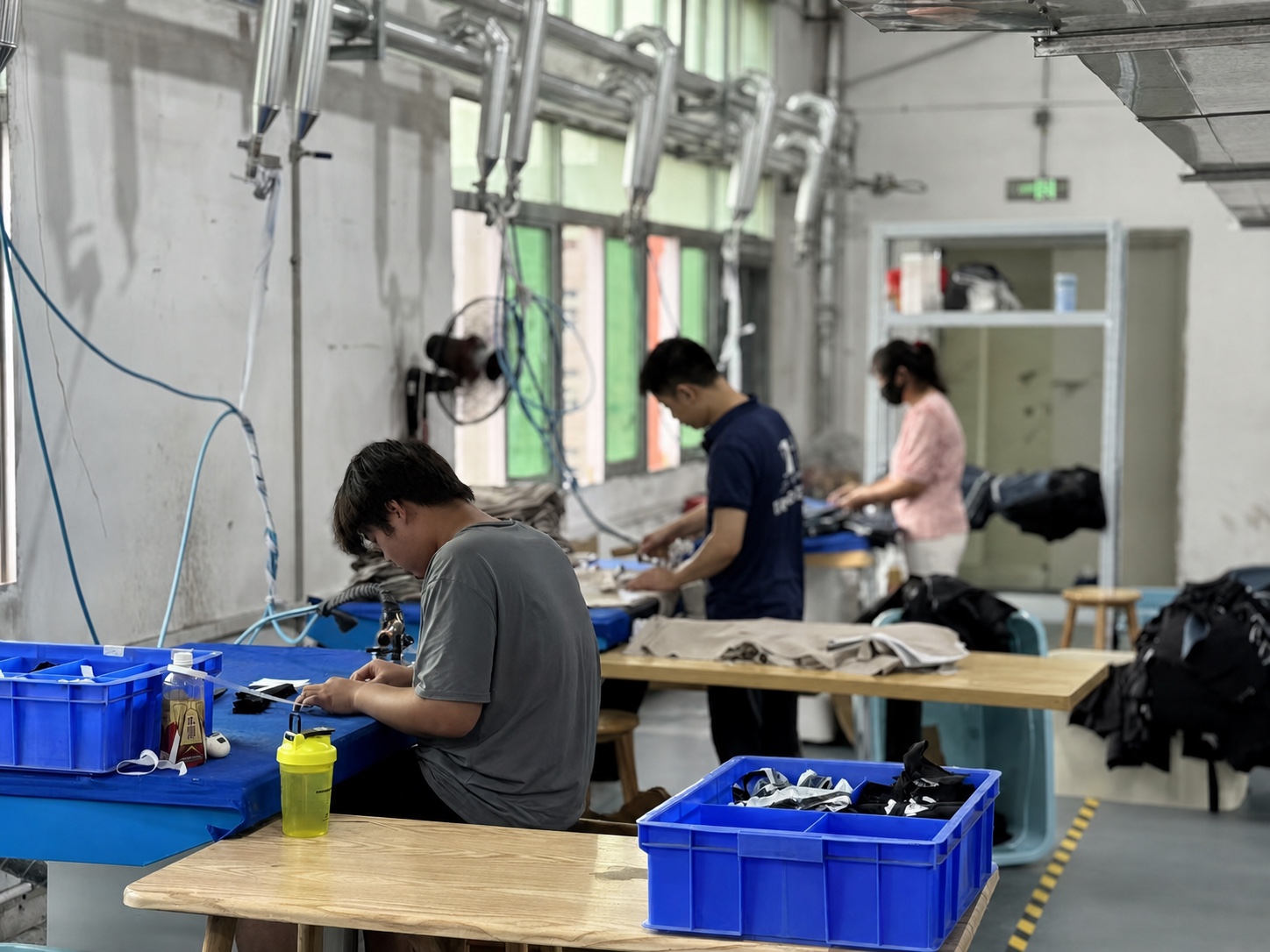
Before comparing suppliers, write the decision criteria. A tailored-workwear supplier may need to demonstrate product-development capability, controlled samples, size support, material traceability, production and inspection records, private-label execution, destination packing, or repeat-order continuity. Weight the criteria according to the programme instead of allowing the lowest opening quotation to determine the shortlist.
Separate mandatory evidence from information that can be confirmed during sampling. Mandatory evidence may include the legal and operating entities involved, relevant business scope, a named programme contact, document-control method, and a clear explanation of who controls production and quality. Product details such as final fabric, measurements, colour, and labels may remain provisional until the buyer approves the sample, but their approval path must be visible.
Use the suit factory audit checklist to review how a proposed supplier controls documents, materials, workflow, inspection, packing, and corrective action.
3. Build one controlled product specification
Prepare a product file for every garment component. Record the style reference, fit direction, measurement chart, size range, fabric and colour direction, lining, buttons, pockets, vents, labels, care information, branding, packing, and approved visual references. Identify which fields are confirmed, which are proposed by the supplier, and which require a physical sample or material approval.
The procurement team should also define version control. One issue sheet should list the current documents, dates, owners, approval status, and superseded files. This prevents an old measurement chart, artwork file, or packing instruction from re-entering production through email attachments or chat messages.
The suit tech-pack checklist helps buyers turn visual direction and measurements into an executable supplier file.
4. Choose the size-data and fitting strategy
Named-wearer programmes, stock-size programmes, and retail-style assortments need different evidence. Named wearers may provide confirmed garment sizes or measurements through one controlled fitting method. Stock programmes need an opening size distribution, reserve policy, issue record, exchange process, and a way to adjust future ratios. Multi-site programmes must show how size data and stock are allocated by location.
Do not send unnecessary personal information to every supplier or factory contact. Define which wearer fields are needed, who collects them, how corrections are authorised, and how the information is stored and removed. The supplier should receive only the data necessary for the agreed garment and packing process.
For quantity planning, use the bulk suit size-ratio guide to connect wearer evidence, reserve units, size shortages, and reorders.
5. Compare quotations on the same assumptions
A meaningful comparison should show the same garment scope, material status, customisation, sample path, size matrix, packing, quality evidence, destination, and approval responsibilities. Mark every assumption that remains open. A price based on stock material and standard labels cannot be compared directly with a proposal that includes custom fabric, buyer artwork, individual wearer packing, and independent testing.
Ask each shortlisted supplier to identify exclusions, buyer-supplied files, optional items, and decisions that may change the proposal. Do not request a universal price, minimum order, or production time without a confirmed brief. Those terms depend on the actual product, materials, colour and size matrix, customisation, approval work, destination, and production conditions.
6. Use samples as procurement gates
Define what each sample must prove. An early development sample may test silhouette and construction. A fitting sample may test measurements and movement. A branding or packing sample may confirm labels, artwork, garment presentation, and destination identification. The approval record should list what passed, what remains open, and whether a revised sample or document is required before bulk release.
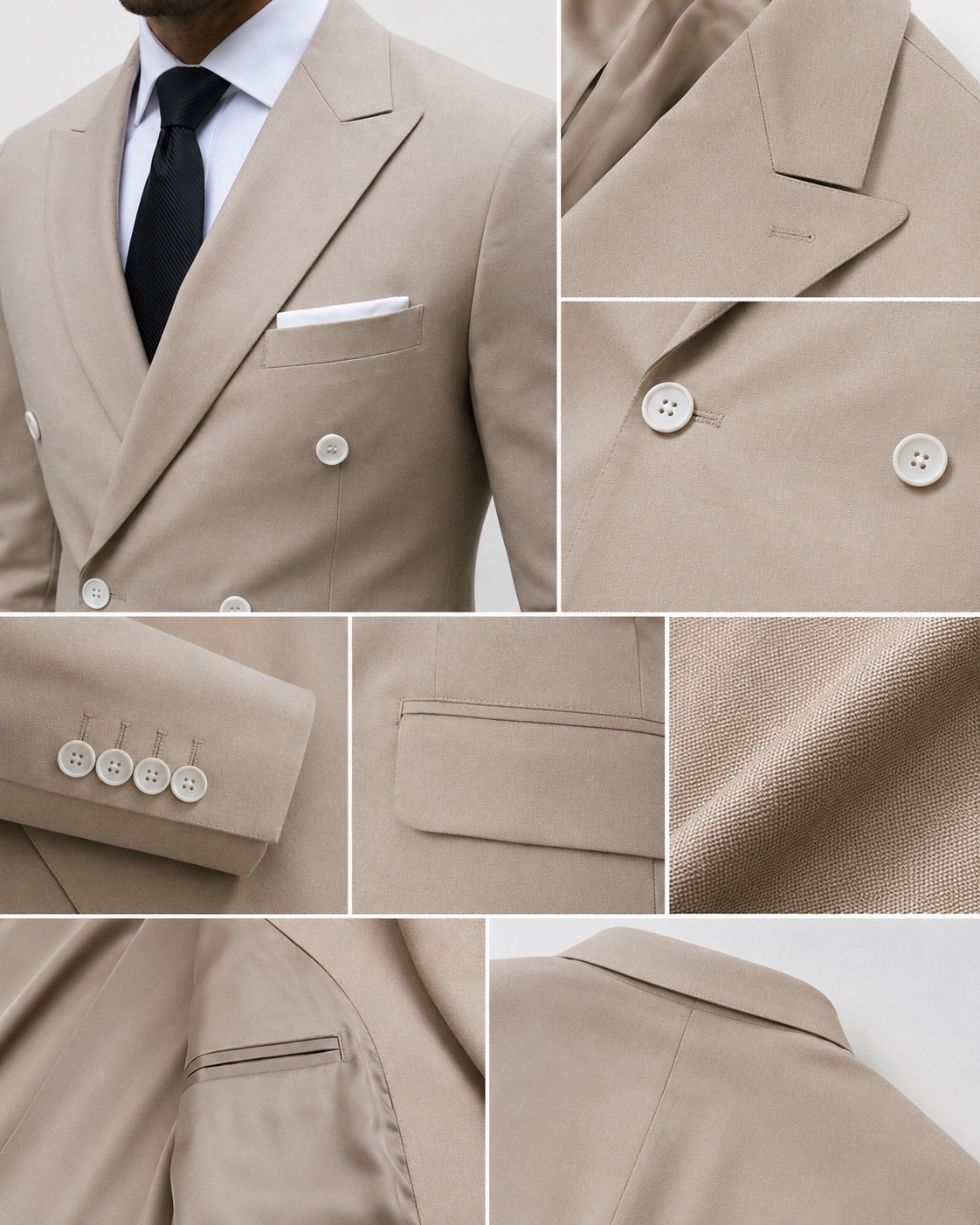
Keep the sample comments, measurement results, material reference, photographs, revision history, and named approver together. The suit sample approval process explains how to turn this evidence into the bulk production standard.
7. Plan issue, packing, and rollout before production
Define whether garments are packed by wearer, role, department, location, size, or SKU. Record the required unit labels, inner packing, garment covers, carton assortment, carton marks, packing list, and delivery sequence. A multi-site rollout may need staged allocation, while a named-person programme may need each complete set kept together.
Build the receiving process at the same time. Name who verifies quantities and visible condition, how shortages or size discrepancies are recorded, and which documents connect the received cartons to the approved order matrix. Procurement is not complete when the goods leave the factory; the organisation needs an auditable handover to the people issuing the garments.
8. Protect replenishment and supplier continuity
Keep the approved sample, tech pack, measurement chart, material and colour reference, label files, packing method, issue data, replacements, quality findings, and authorised changes in one programme record. For every reorder, confirm which product version applies and whether the original material, trim, branding, and packing remain available.
Define service-review measures that the parties can verify: order accuracy, acknowledged-versus-actual milestones, unresolved quality findings, replacement demand, receiving discrepancies, size exchanges, and open changes. These records help the buyer improve the next order and evaluate supplier continuity without relying on an unsupported score.
The uniform supply contract management guide connects these procurement decisions to call-off orders, receiving, change control, review, and programme exit.
Workwear procurement strategy checklist
- Wearer roles, sites, working conditions, rollout dates, and programme duration
- Garment components and visual hierarchy by role
- Supplier evidence, operating responsibilities, and shortlist criteria
- Controlled product specification, version register, and approval owners
- Size-data, fitting, reserve, exchange, and privacy process
- Like-for-like quotation assumptions, exclusions, and open decisions
- Sample purpose, review evidence, corrections, and bulk-release gate
- Quality records, destination packing, receiving, and issue controls
- Reorder standard, material continuity, service review, and change history
MrSure is a China-based suit supplier serving international B2B buyers. We can review a tailored-workwear brief after the buyer shares the wearer roles, garment scope, size-data status, product references, quantity range, destination, and approval needs. Buyers can also use the business uniform suit manufacturer checklist or send a sourcing enquiry with the information already available. Exact prices, order minimums, schedules, and commercial terms depend on the confirmed programme and written agreement.