
A wholesale suit fabric guide should help a buyer make a practical sourcing decision, not promise that one fabric is right for every market. Wool, wool blends, TR, and linen-look directions can each support different product stories, price positions, climates, and wearer expectations. The useful starting point is the B2B program: who will wear the suit, how often, in what setting, at what target appearance, and with what colour and reorder plan.
For menswear retailers, private-label brands, sourcing agents, hospitality buyers, and group-program coordinators, a fabric name alone is not a complete specification. The sample, colour reference, garment construction, available quantity, and approved order record need to work together before bulk production is confirmed.
1. Start with the program use
Retail stock, private-label collections, hospitality uniforms, wedding groups, corporate programs, and event formalwear do not need the same fabric direction. Define the climate, seasonality, expected wear frequency, visual formality, target price level, colour range, and likely reorder need before comparing materials.
This makes the supplier conversation more useful. A buyer can ask which directions are practical for the intended program instead of asking for an unqualified “best fabric” recommendation.
2. Compare material directions with samples
Wool is often considered where a buyer wants a classic tailored appearance. Wool-blend directions may be reviewed where the buyer is balancing appearance, available constructions, and commercial scope. TR is commonly explored for businesswear programs that need a consistent, accessible suit direction. Linen-look or linen-blend directions can be relevant for warm-weather, resort, destination wedding, and relaxed-formal concepts.
These are planning categories rather than fixed performance promises. The actual fabric weight, composition, handfeel, colour range, availability, and bulk suitability should be confirmed from the chosen sample and supplier quotation.
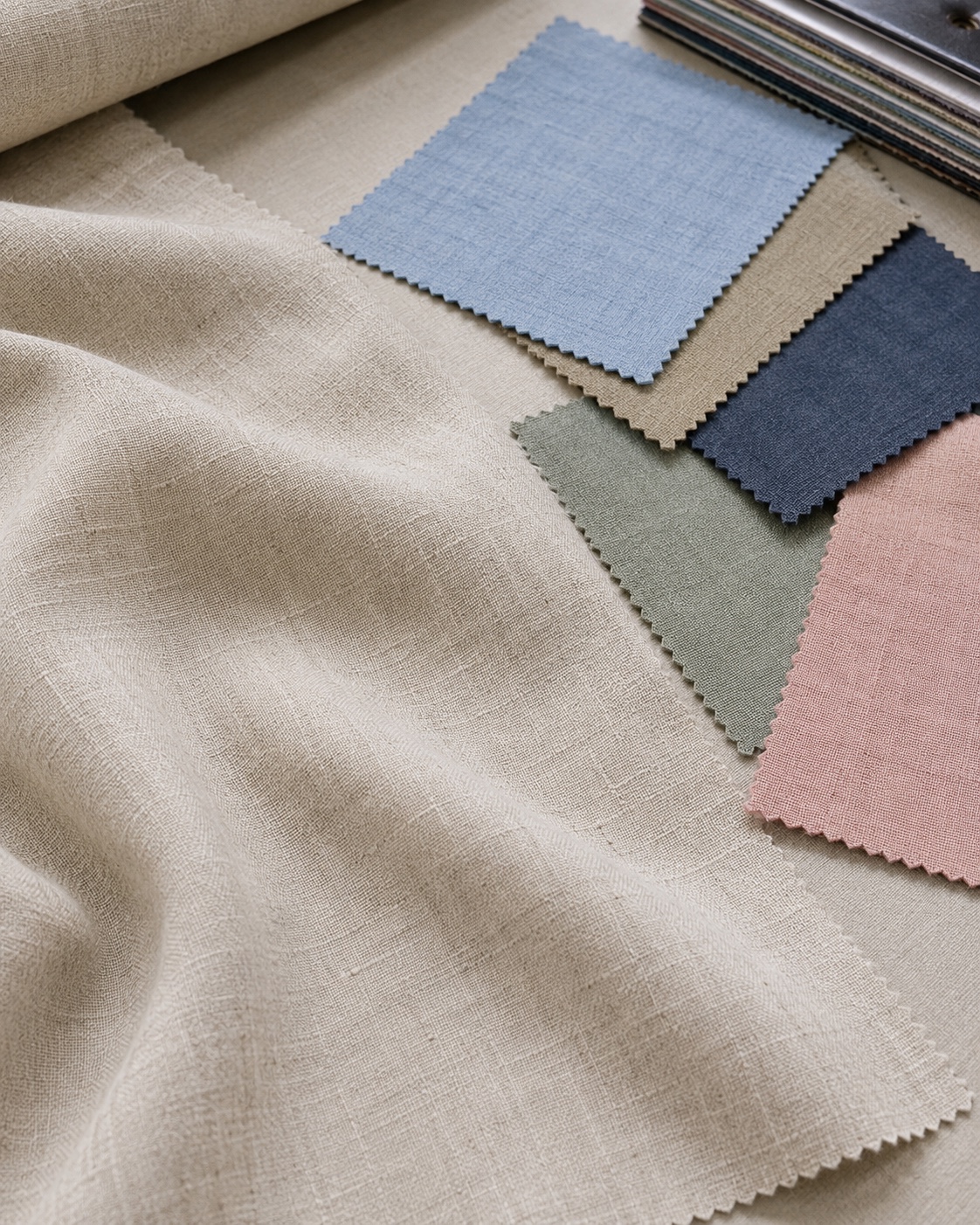
3. Check colour and construction together
Fabric selection affects more than the surface of the garment. Buyers should consider how the material works with the lapel, jacket structure, lining, trouser shape, buttons, pressing standard, and intended product photography. A colour direction should be confirmed in the actual material reference rather than against a screen image alone.
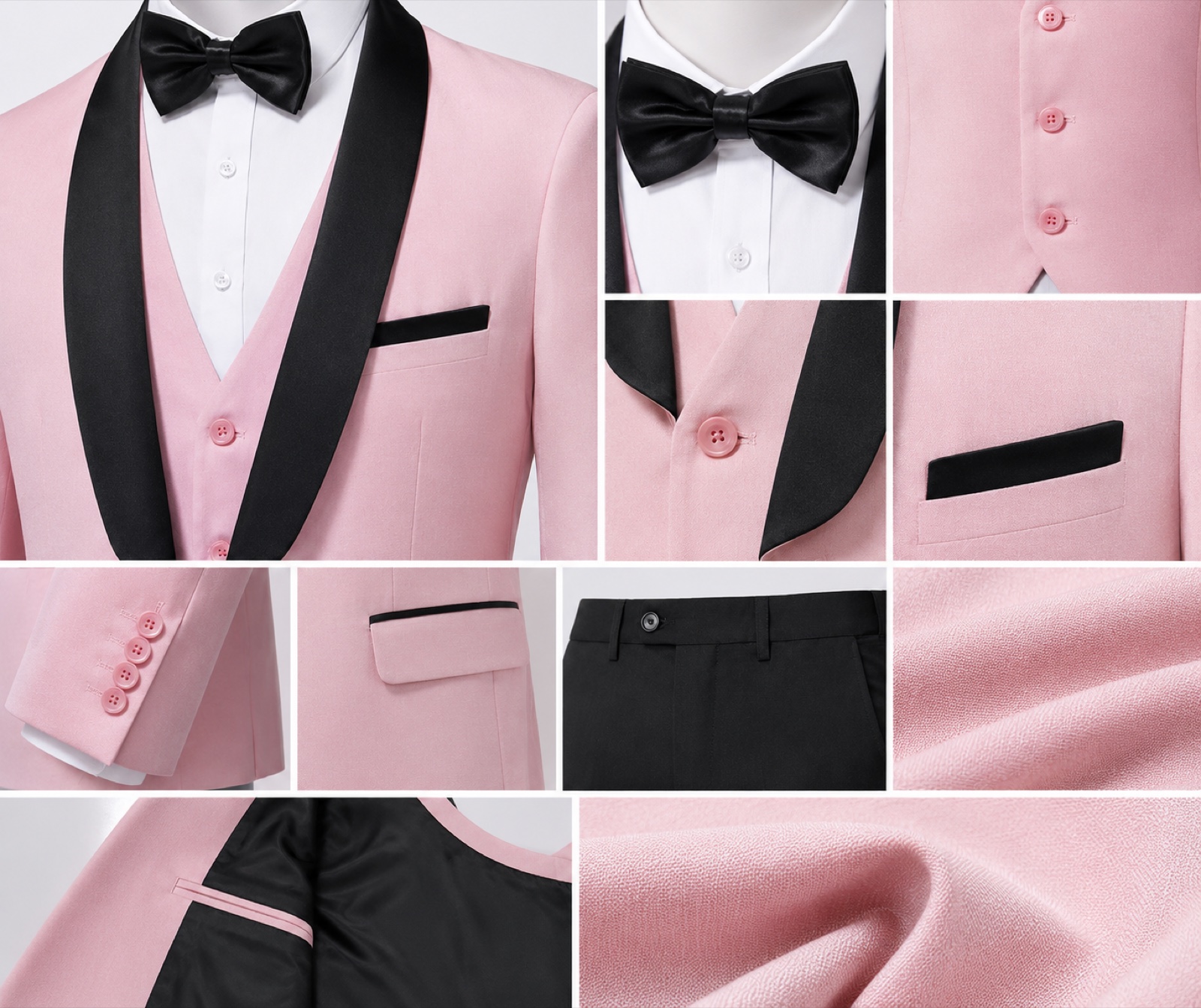
4. Make the sample serve the bulk order
A sample should clarify the fabric handfeel, colour reference, construction, fit, and presentation standard that the bulk order will follow. If the buyer changes fabric, colour count, size mix, branding, packaging, or product construction after approval, the quotation and production plan may need to be reviewed again.
The buyer should identify what the sample needs to prove: appearance, fit, material direction, label placement, packing, or production repeatability. This keeps sample feedback connected to the next commercial decision.
5. Keep a repeatable material record
Keep the approved swatch, fabric description, colour reference, garment measurements, construction notes, label files, packing method, and approval comments together. This record gives a later reorder a clearer starting point and reduces the risk of treating a past photo as a complete specification.
Buyers can compare the MrSure wholesale collection, review the wool suit manufacturer buyer guide when material and construction need to be approved together, use the linen suit supplier brief for a warm-weather programme, review a wholesale suit catalog and price list, follow the suit sample approval process, or send a sourcing inquiry with their fabric direction, colour plan, quantity range, and intended use.
Turn the approved swatch into a bulk-material control
After the buyer selects a fabric direction, define how the production delivery will be identified and released. Record the supplier article or quality reference, colour, approved swatch or sample, received lots and rolls, usable width, quantity, shade review, visible-defect method, applicable technical reports, and the person authorised to release material for cutting.
This checkpoint is different from choosing among wool, wool blend, TR, or linen-look options. It tests whether the bulk delivery follows the approved order reference closely enough to enter production. Use the bulk suit fabric inspection checklist to connect shade, defects, quantity, testing evidence, lot traceability, and cutting release to the later garment inspection record.