
Bulk material inspection should answer a simple question before suit production begins: does the fabric delivered for the order match the approved direction closely enough to release it for cutting? A finished-garment inspection is too late to discover that an unidentified lot, visible defect, shade difference, or incorrect quantity has already moved through production.
This guide is for menswear brands, formalwear retailers, uniform suppliers, wedding businesses, sourcing teams, and distributors preparing bulk suit orders. It is a process checklist, not a universal textile-testing standard. The exact tests, tolerances, sampling method, legal requirements, and acceptance decision should follow the buyer's product, destination market, approved specification, and independent technical advice where required.
1. Build the approved material reference
Before bulk fabric arrives, keep one controlled record of the fabric direction approved for the order. It may include the supplier's article or quality reference, composition statement, colour reference, weight or construction information where agreed, approved swatch or sample garment, lining and trim references, purchase-order style, and the buyer's test or compliance requirements.
A screen image or general description such as “navy suiting” is not enough for close comparison. Identify which physical or documented reference controls colour, handfeel, surface appearance, and garment use. If the production fabric was approved with a qualification—for example a temporary sample material—record what still needs confirmation before cutting.
The wholesale suit fabric guide helps buyers choose a material direction before this bulk-control stage.

2. Identify every roll and production lot
Record the fabric supplier, article or quality number, colour, dye or production lot where available, roll number, received length or weight, date, purchase-order reference, and storage location. The aim is traceability: if an issue appears during spreading, cutting, sewing, pressing, or final inspection, the buyer and supplier should be able to identify which material was used.
Do not mix unidentified rolls into one pool. If several lots are required for the order, document how they will be separated, compared, allocated, and marked through production. A visible shade difference may be acceptable in one situation and unacceptable in another, but it should not be discovered only after jackets and trousers from different lots are paired.
3. Check colour and shade under a controlled method
Compare representative material from each lot or roll with the approved reference under the agreed viewing conditions. Record who reviewed it, the light source or method where relevant, the date, and the decision. Review shade within a roll and between rolls, not only one convenient cutting from the delivery.
For matching suit components, plan how jacket, trousers, and vest will remain within the accepted shade grouping. If the buyer requires laboratory colour measurement or a defined tolerance, that requirement should appear in the specification and be handled by qualified equipment and personnel. Photographs are useful evidence but should not replace the agreed colour-control method.
4. Inspect usable width, appearance, and visible defects
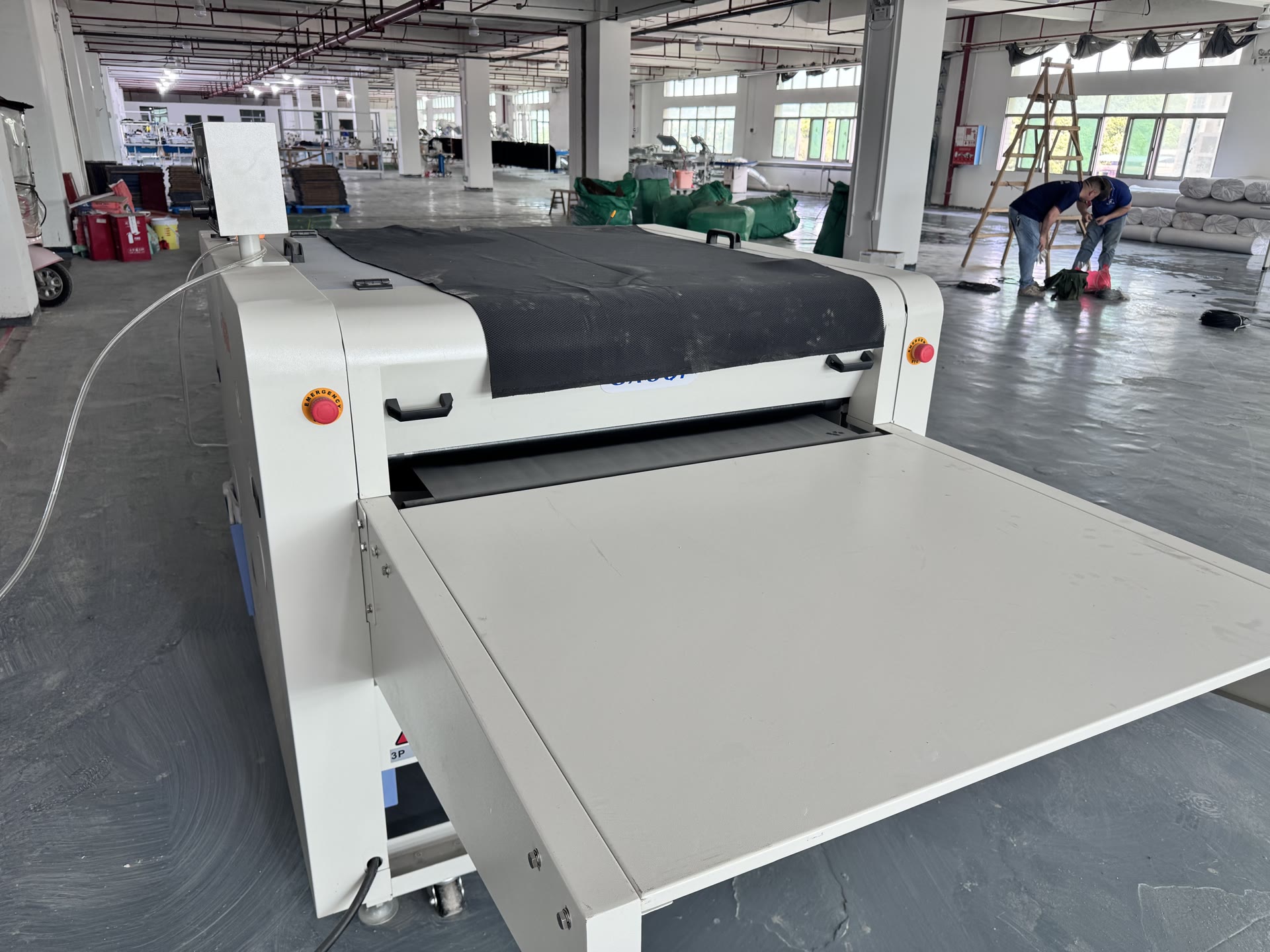
Confirm the usable width and compare it with the marker or material-consumption assumption used for planning. Review representative sections for holes, stains, contamination, weaving or knitting faults, streaks, slubs, creases, edge damage, printing or pattern issues, and other visible conditions relevant to the selected fabric.
For stripes, checks, directional textures, or a visible nap, record the orientation and matching requirement before markers are approved. A fabric may contain enough total length but still create a shortage if usable width, defect removal, pattern matching, or direction increases consumption.
The inspection method should state how much material is examined and how findings are mapped to the roll. Avoid saying that “all fabric passed” when only a small unidentified piece was reviewed.
5. Verify quantity against the cutting plan
Reconcile received material with the order matrix, marker assumptions, approved garment components, expected allowance, and any fabric reserved for replacement or reorders. Record shortages, damaged sections, rejected rolls, and material held for further review separately from usable stock.
If the size mix, colour mix, garment components, or construction changed after the original consumption estimate, ask for an updated calculation before releasing all material. A quantity that was sufficient for a two-piece order may not support an added vest, changed size ratio, or fabric-matching requirement.
6. Separate visual inspection from technical testing
Visual roll inspection cannot confirm every performance or compliance requirement. Fibre composition, colourfastness, dimensional stability, seam performance, restricted substances, flammability, or other market-specific requirements may need documented supplier evidence or independent laboratory testing. The buyer should identify what applies to the destination and sales channel rather than assuming a factory appearance check replaces those obligations.
Keep technical reports connected to the same material identity and lot used for production. A valid report for a different article, colour, composition, or supplier does not automatically prove the delivered fabric meets the order requirement.
7. Create a written cutting-release decision
The inspection record should lead to a clear disposition for each lot: approved for cutting, approved with a documented condition, held for testing or buyer review, segregated for a specific product or destination, returned, or replaced. Name the people authorised to make that decision and the evidence required to close an open issue.
If material is approved with a condition, communicate it to marker planning, cutting, sewing, quality, and final inspection as applicable. Examples include avoiding mapped defects, keeping shade groups together, using a lot for one destination only, or waiting for a technical result before further release.
Bulk fabric inspection record
- Purchase order, style, colour, garment components, and destination
- Fabric supplier, article, composition reference, colour, lot, and roll numbers
- Approved swatch, sample, specification, and applicable test requirements
- Received quantity, usable width, sampled or inspected amount, and method
- Shade comparison, visible defects, roll map, and photographic evidence
- Quantity impact from defects, width, pattern matching, or revised order scope
- Technical reports received, still required, and linked material identity
- Disposition by lot and the authorised cutting-release decision
After material release, keep the lot identity connected to production and finished-garment inspection. The bulk suit quality inspection checklist explains how buyers can compare completed garments, measurements, branding, quantities, and packing with the approved order standard. Buyers can also review the suit manufacturing process or send a sourcing inquiry with their fabric reference, product brief, destination, and inspection requirements.
MrSure can review a proposed suit programme once the buyer provides the intended garment, material direction, colour plan, quantity matrix, destination, and approval requirements. A documented material release does not guarantee that every later garment issue is eliminated, but it gives cutting and quality teams a traceable standard before irreversible production work begins.