
A suit sample charge is not simply the bulk unit price multiplied by one garment. A sample may require pattern work, material sourcing, one-off cutting, individual sewing and pressing, private-label setup, inspection, photography, packing, and international delivery. For a B2B buyer, the useful question is not only “How much is the sample?” but “What development work, evidence, and revision path does this payment cover?”
This guide is for menswear brands, formalwear retailers, uniform buyers, wedding businesses, and sourcing teams comparing suit suppliers. It does not publish a universal sample price. Actual charges depend on the product, materials, customisation, delivery route, and agreed development scope.
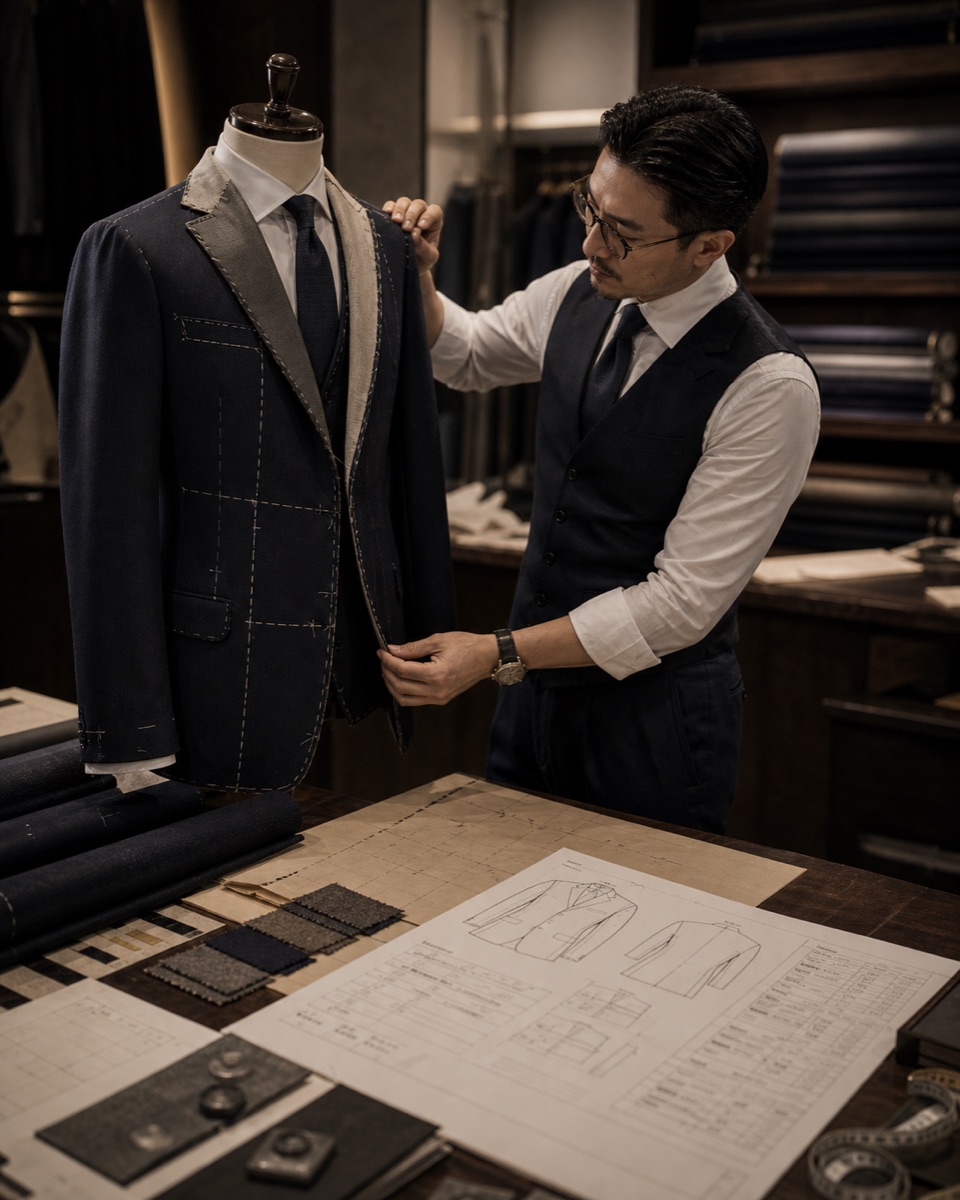
1. Define which kind of sample you are buying
A fit sample tests silhouette, measurements, balance, and movement. A material or colour sample tests a specific fabric direction. A salesman or presentation sample may need final labels, trims, pressing, and packaging. A pre-production sample is normally reviewed against the files intended for bulk production. These samples solve different problems and should not be priced or approved as if they were the same item.
Before payment, record the sample purpose, garment components, size, fit direction, fabric status, colour, lining, buttons, labels, packaging, and the decisions the buyer expects to make after receiving it. If the supplier will use a substitute fabric or temporary trim, mark that clearly so the sample is not mistaken for a final material approval.
The wholesale suit sample-order guide helps buyers turn the request into a complete development brief.
2. Separate the garment charge from other costs
Ask the quotation to distinguish the sample garment, pattern or development work, custom fabric or colour preparation, label or artwork setup, special trims, packing, courier freight, duties or taxes where applicable, and payment fees. This makes supplier quotations easier to compare and helps the buyer understand which costs could recur on a revision.
Freight can be a significant part of a one-piece international sample. Confirm whether the quotation includes delivery, which address and service level it assumes, who acts as importer where relevant, and whether the buyer will pay any destination charges. A low garment charge with unconfirmed freight is not a complete sample budget.
3. Confirm what information the supplier still needs
An early quotation may be conditional on missing decisions. The supplier may still need a measurement chart, construction details, fabric reference, colour standard, label artwork, quantity estimate, destination, or required delivery window. Ask the supplier to list these open points rather than silently making assumptions.
For a private-label program, use the suit tech-pack checklist to organise product references, measurements, components, artwork, and packing. Better input does not guarantee a perfect first sample, but it reduces avoidable interpretation and makes a revision easier to diagnose.
4. Agree how revisions will be handled
Before paying, ask how comments should be submitted, how many revision rounds are included if any, which changes may create a new charge, and whether a new physical sample is required after each change. Separate supplier execution errors from buyer-requested design changes. A changed lapel, fabric, colour, size range, or label file can create new work even when the first sample was made correctly against the approved request.
Use one dated comment file with photos, measurements, named points of measure, and a clear decision for each issue. The suit sample approval process explains how to turn those comments into a controlled production reference.
5. Ask whether any sample charge can be credited
Some suppliers may agree to credit part of a sample or development charge against a later bulk order. This is a commercial term, not an automatic rule. Confirm the amount or calculation, qualifying order, time limit, product scope, and documentation before relying on it. Do not assume that courier costs, custom material purchases, artwork setup, or repeated buyer changes will be refundable.
The written record should also explain what happens if the buyer decides not to proceed, the requested material is unavailable, the sample cannot meet the approved brief, or the bulk order changes substantially. Clear terms protect both parties from treating an informal conversation as a promise.
6. Define the evidence and ownership delivered with the sample
The buyer should know what will arrive besides the garment: measurement report, material or trim references, labelled photos, packing information, courier tracking, and a list of temporary or unapproved elements. For custom patterns, artwork, or branded components, confirm the agreed usage, storage, return, and confidentiality expectations. Legal ownership and intellectual-property terms should be reviewed separately when they matter to the program.
7. Approve payment against one written scope
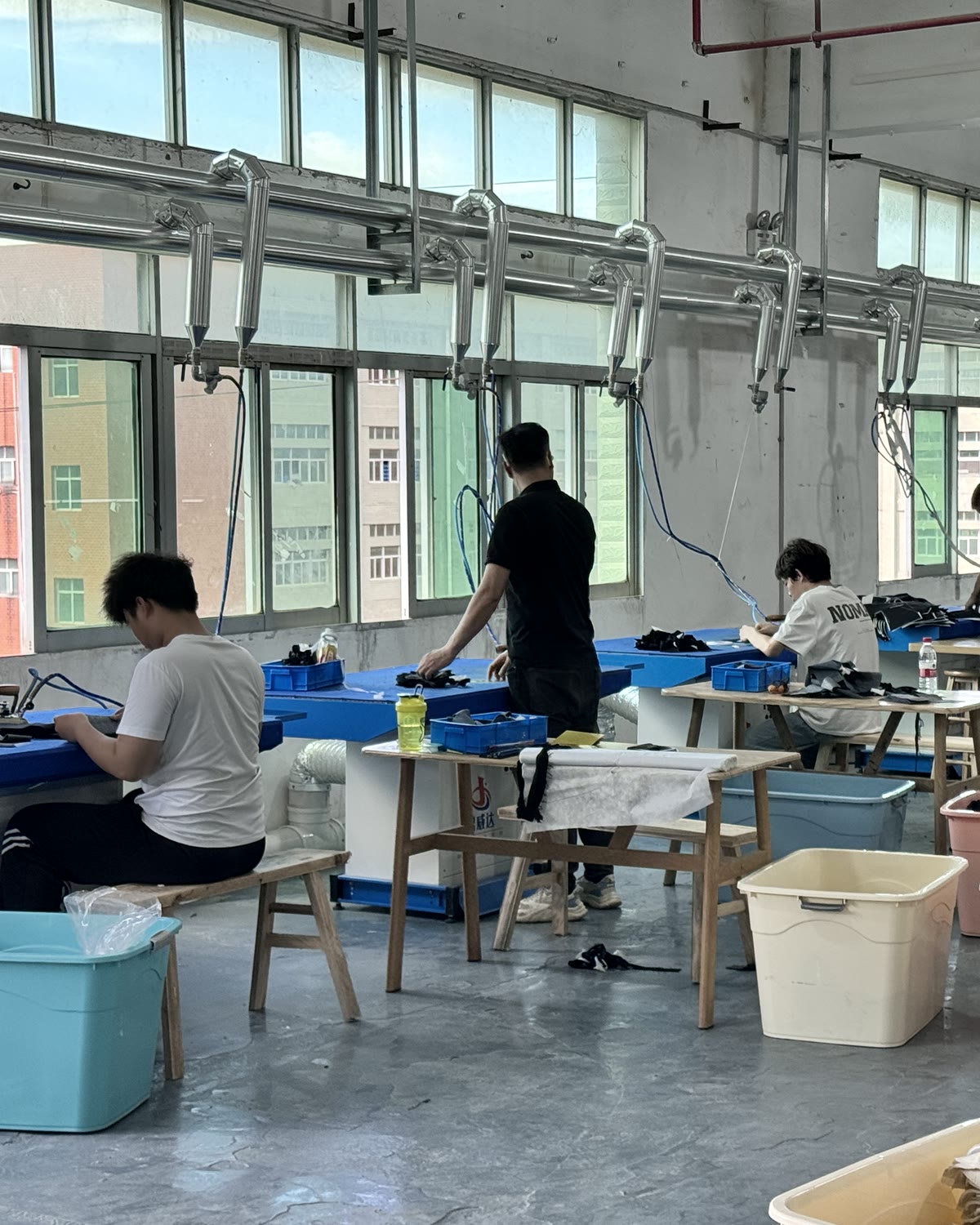
Keep the supplier quotation, payment record, product brief, open decisions, target completion date, delivery address, revision terms, and named contacts together. The buyer should be able to answer what was ordered, what remains provisional, what evidence is expected, and who can approve a change.
A useful sample-cost confirmation contains:
- Sample purpose, garment components, size, fit, and reference style
- Fabric, colour, lining, buttons, labels, and packaging status
- Itemised development, garment, setup, freight, and destination assumptions
- Buyer files still required and the deadline for each
- Expected completion milestone and shipping method
- Comment format, revision rules, and possible additional charges
- Any agreed bulk-order credit and its conditions
- Measurement, photo, material, and delivery evidence to be supplied
- Buyer and supplier contacts authorised to approve changes
MrSure can review a suit sample request once the buyer shares the intended product, channel, development purpose, specification status, destination, and expected bulk program. Send a sourcing inquiry with the sample brief and open questions. A transparent sample scope gives the buyer a better basis for approval than comparing a single price without the development work behind it.