
A suit factory audit should help a buyer verify how an order would be controlled, not simply collect photographs of machines or accept a broad capacity claim. For menswear brands, retailers, trading partners, uniform suppliers, and formalwear businesses, the useful question is whether the facility, people, records, and production process can support the specific product being discussed.
This checklist can support an on-site visit, a remote video review, or a structured supplier-assessment call. It is not a certification, legal opinion, social-compliance audit, or guarantee of future performance. Buyers should define their own due-diligence requirements and use qualified independent auditors when a formal audit or regulated standard is required.
1. Confirm the business and production scope
Start by confirming which legal entity will quote, contract, invoice, receive payment, manufacture, inspect, pack, and hand over the goods. Ask whether any production stage is performed at another location or by a subcontractor, and record which party controls that work.
Then connect the facility to the actual order. A general tailoring workshop may not prove experience with the buyer's proposed two-piece suits, three-piece suits, tuxedos, blazers, private-label packaging, size range, or programme volume. Ask the supplier to explain which processes it expects to complete, which equipment or specialists are relevant, and which parts of the brief remain subject to sampling or material confirmation.
Buyers comparing business structures can also review the suit factory versus trading company guide. The aim is not to assume one model is always better; it is to understand who is responsible for each decision and record.
2. Trace one product through the document system
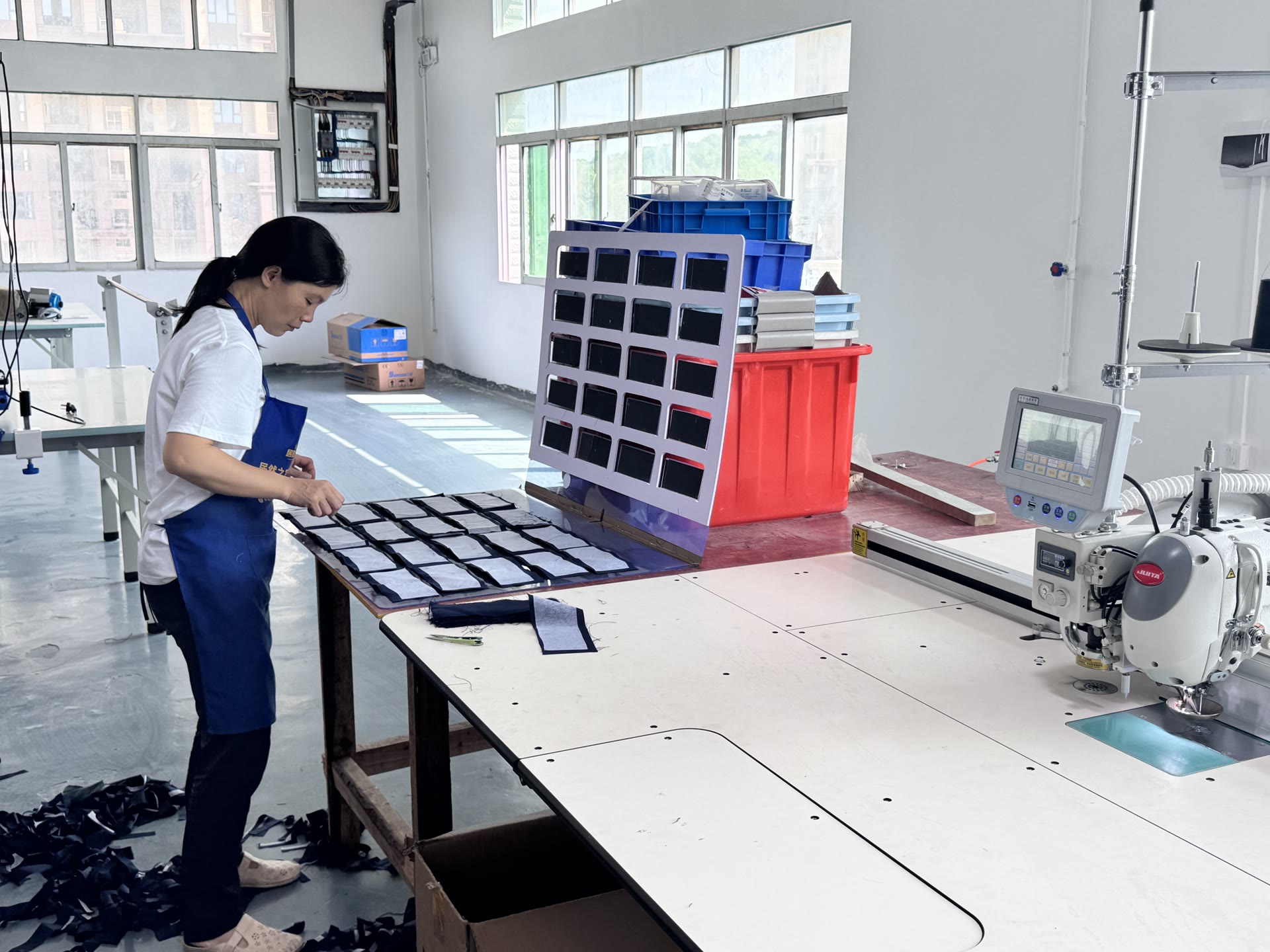
Choose one representative style and ask how the team identifies the current product version. The working file should connect the product reference, measurement chart, bill of materials, fabric and colour reference, lining, buttons, labels, packing, size-and-colour matrix, sample comments, and approved changes.
Look for version control rather than a perfect document format. A useful system makes it clear which file is current, who approved it, what remains open, and how changes reach pattern, cutting, sewing, finishing, inspection, and packing teams. If the supplier relies on scattered messages or unlabelled reference images, the buyer should resolve that risk before bulk production.
The suit tech pack checklist gives buyers a practical structure for preparing the same controlled information before an audit or sample request.
3. Review material and component identification
Ask how incoming fabric, lining, buttons, zippers, thread, labels, hangtags, garment covers, and packing materials are identified against the approved order. Screen images and colour names are not enough to establish the final material. The supplier should be able to explain how an approved swatch, supplier reference, lot, shade, component code, or signed sample is connected to the production file.
Review how materials are stored, separated, issued, and returned when several styles or colours are active. For a private-label programme, include brand labels, size labels, care labels, barcodes, hangtags, spare buttons, and carton marks in the same discussion. The purpose is to reduce substitution and mix-up risk, not to assume that every facility must use the same software or warehouse layout.
4. Observe the production flow and decision points
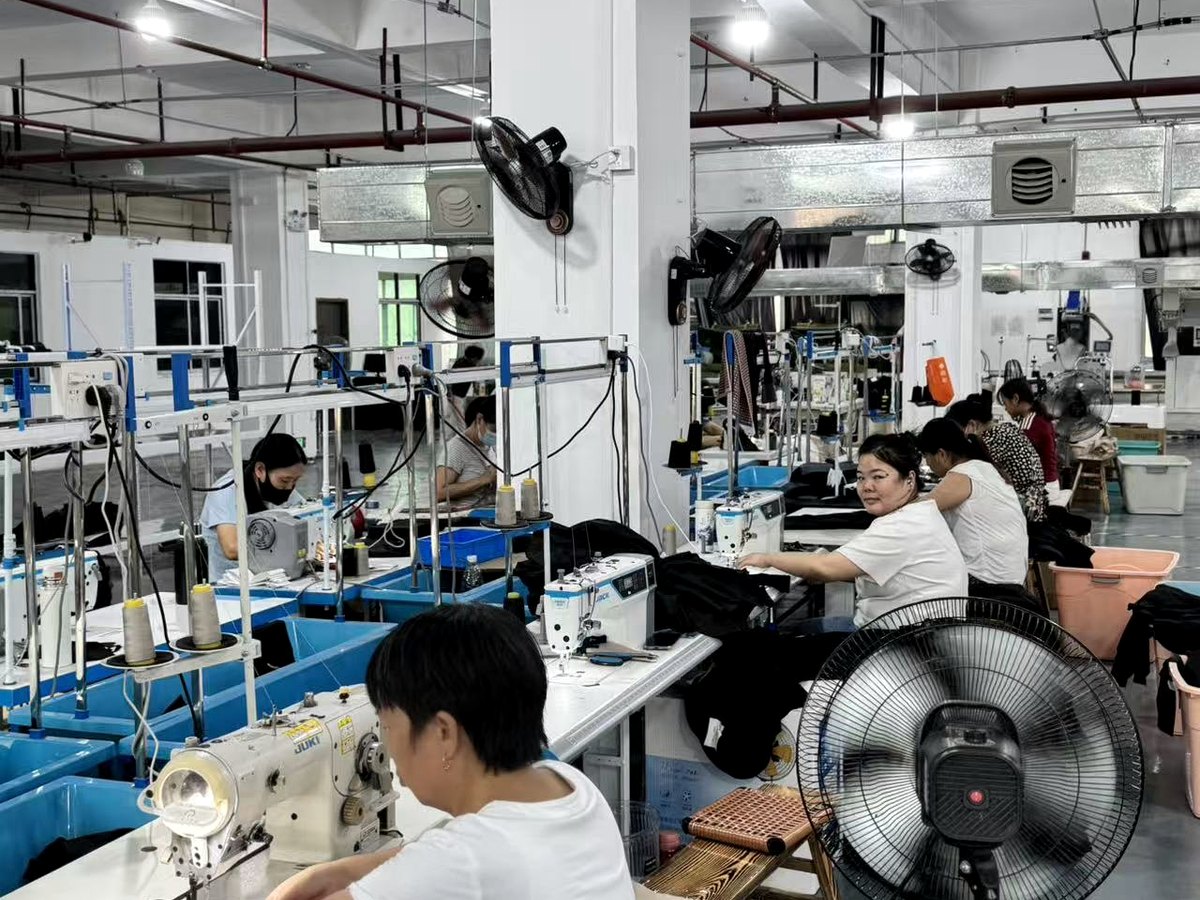
Ask the team to walk through the planned route from pattern and marker preparation to cutting, bundling, sewing, intermediate pressing, finishing, final pressing, inspection, and packing. Record where measurements, component matching, workmanship, appearance, and order allocation are checked.
If capacity matters, request evidence that can be connected to the proposed garment and time window. Headcount, machine count, or a busy production floor does not by itself prove available capacity, stable quality, or a delivery date. Buyers should ask what other confirmed work shares the line, which approvals must be completed before production, and how the supplier would report a delay or bottleneck.
5. Examine quality records and corrective-action handling
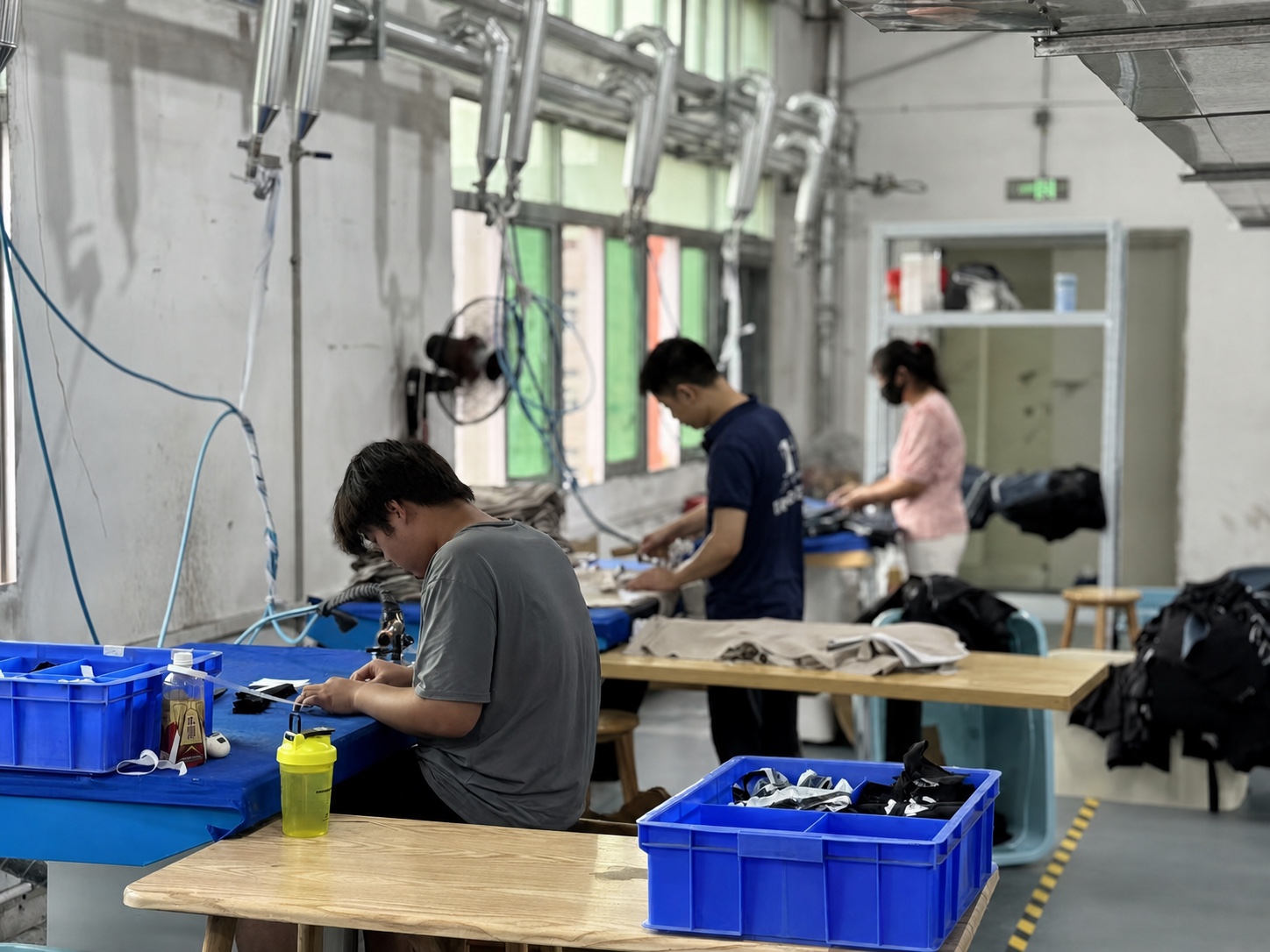
Review how the supplier records inspection results. A useful record identifies the order or style, colour, size, quantity checked, measurement point, target, tolerance where agreed, actual result, workmanship observation, photo evidence, disposition, responsible person, and follow-up result.
Ask for an anonymised example if customer confidentiality prevents access to a live order. The buyer does not need another customer's commercial data; the purpose is to see whether findings lead to a controlled decision such as correction, reinspection, sorting, acceptance, or escalation. The bulk suit quality inspection checklist can help define the evidence expected before shipment release.
Also check whether the record separates immediate containment from root-cause and preventive action. A credible system identifies the affected lot, shows who approved the correction method, records reinspection results, and names the person authorised to release production or shipment. Buyers can use the suit quality corrective-action plan to test that workflow against a representative finding rather than accepting a blank form as proof that the control works.
6. Check packing, quantity, and handover controls
The audit should follow the order beyond sewing. Confirm how the supplier checks finished quantities, size and colour assortments, labels, hangtags, spare components, garment presentation, polybags or garment covers, carton allocation, carton marks, packing lists, and destination splits.
Ask who authorises packing completion and shipment release, and which records will be shared with the buyer or nominated inspection party. For international programmes, keep freight booking, destination rules, customs requirements, and local compliance separate from the garment-production audit unless qualified parties are reviewing those subjects.
7. Finish with an evidence and action register
Do not end the audit with only a pass-or-fail impression. List each item reviewed, the evidence seen, the open question, the responsible party, and the date or stage by which it should be resolved. Separate critical blockers from improvements that can be closed during sampling or pre-production review.
A remote review has limits: the camera shows only what is selected, timing may not reflect the planned production window, and documents may still require independent verification. Where the commercial or compliance risk is significant, buyers should arrange an on-site or third-party assessment appropriate to the programme.
Move every relevant open audit item into the supplier's onboarding action register. The suit supplier onboarding checklist connects verified entities, responsible contacts, product files, sample gates, order authority, quality evidence, packing, and first-order review so the audit does not remain an isolated report.
MrSure can discuss a suit sourcing brief, sample path, production records, and inspection expectations after the buyer shares the product scope and due-diligence questions. Buyers can review the MrSure production process, compare the wholesale suit quotation guide, or send a sourcing inquiry with the checklist they plan to use.