
A suit quality corrective action plan is the controlled record used when production or inspection evidence shows that an approved requirement may not have been met. Its purpose is not to assign blame or turn every observation into a factory-wide failure. It should protect the affected goods, define what is known, identify what still needs investigation, and show which evidence is required before production or shipment can continue.
This guide is for menswear brands, formalwear retailers, uniform suppliers, distributors, wedding businesses, and sourcing teams managing wholesale or private-label suit orders. It is an operational framework, not a universal inspection standard or legal remedy. The appropriate action depends on the approved product file, sample, order agreement, affected quantity, destination, commercial risk, and qualified review for the actual programme.
1. Tie the finding to an approved requirement
Start with the exact order, style, component, colour, size, production lot or carton, and file version involved. Describe the observation in measurable or visible terms and connect it to the approved sample, measurement table, construction note, material reference, artwork, packing instruction, or other agreed standard.
Avoid statements such as “quality is poor” or “make it better.” They do not show what was inspected, what requirement applies, or how another reviewer can verify the result. If the approved reference is unclear or contradictory, record that document-control problem separately instead of presenting an assumption as a confirmed production defect.
The bulk suit quality inspection checklist helps buyers record the product, sample, measurement, workmanship, quantity, branding, and packing evidence behind the finding.
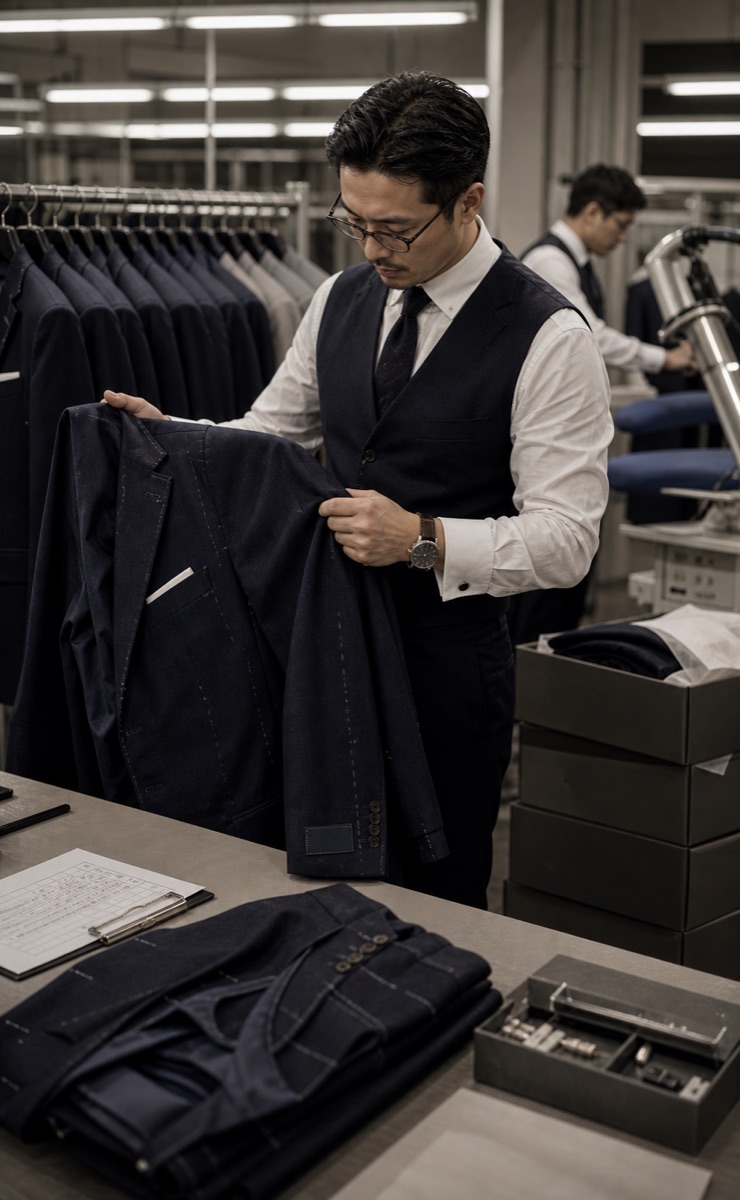
2. Contain the affected scope before choosing a correction
Identify what must be held while the issue is reviewed. The scope may be one garment, one operation, one size, one colour, one material lot, one production period, one packing run, or a wider group supported by the evidence. Mark the physical goods and update the production or packing record so held units cannot be mixed with released goods.
Containment is a temporary control, not the final solution. Record when it began, who authorised it, which quantities are included, where the goods are located, and what work may or may not continue. If unaffected production can proceed, explain the basis for separating it from the held scope.
3. Verify the finding with reproducible evidence
Repeat the relevant check using the agreed method. For measurements, confirm the point of measure, garment condition, tool, target, tolerance, and actual reading. For workmanship or appearance, use labelled photographs and identify the area, sample reference, and viewing condition where relevant. For branding or packing, compare the observed item with the approved artwork, placement, size identification, assortment, or carton instruction.
Record how many units were checked and how they were selected. One photograph should not be used to claim that every unit is affected, while one acceptable recheck should not be used to dismiss a repeated pattern. The evidence should support the scope decision that follows.
4. Separate correction from root-cause action
A correction addresses the affected goods: sorting, re-measuring, re-pressing where appropriate, replacing a component, repairing, repacking, relabelling, reproducing, or another authorised disposition. A root-cause action addresses why the issue occurred or escaped detection. These are different records and may have different owners.
Review the sequence that could have created the result: file version, sample interpretation, pattern or marker, material or trim identification, machine setting, operator method, handover, first-output review, in-line check, pressing, finishing, packing, or inspection sampling. Test the likely cause against the evidence instead of choosing a generic explanation such as “worker error.”
5. Decide the affected lot using traceability
Use available production and inspection records to map the issue across material lots, bundles, lines, operations, sizes, colours, dates, cartons, or destinations. If traceability is incomplete, state the uncertainty and use a conservative hold or additional inspection plan approved for the programme.
The affected-lot decision should list the quantities reviewed, accepted, held, corrected, rejected, or still awaiting evidence. For a split decision, make sure packing lists and carton identification prevent old and corrected versions from being confused at receiving.
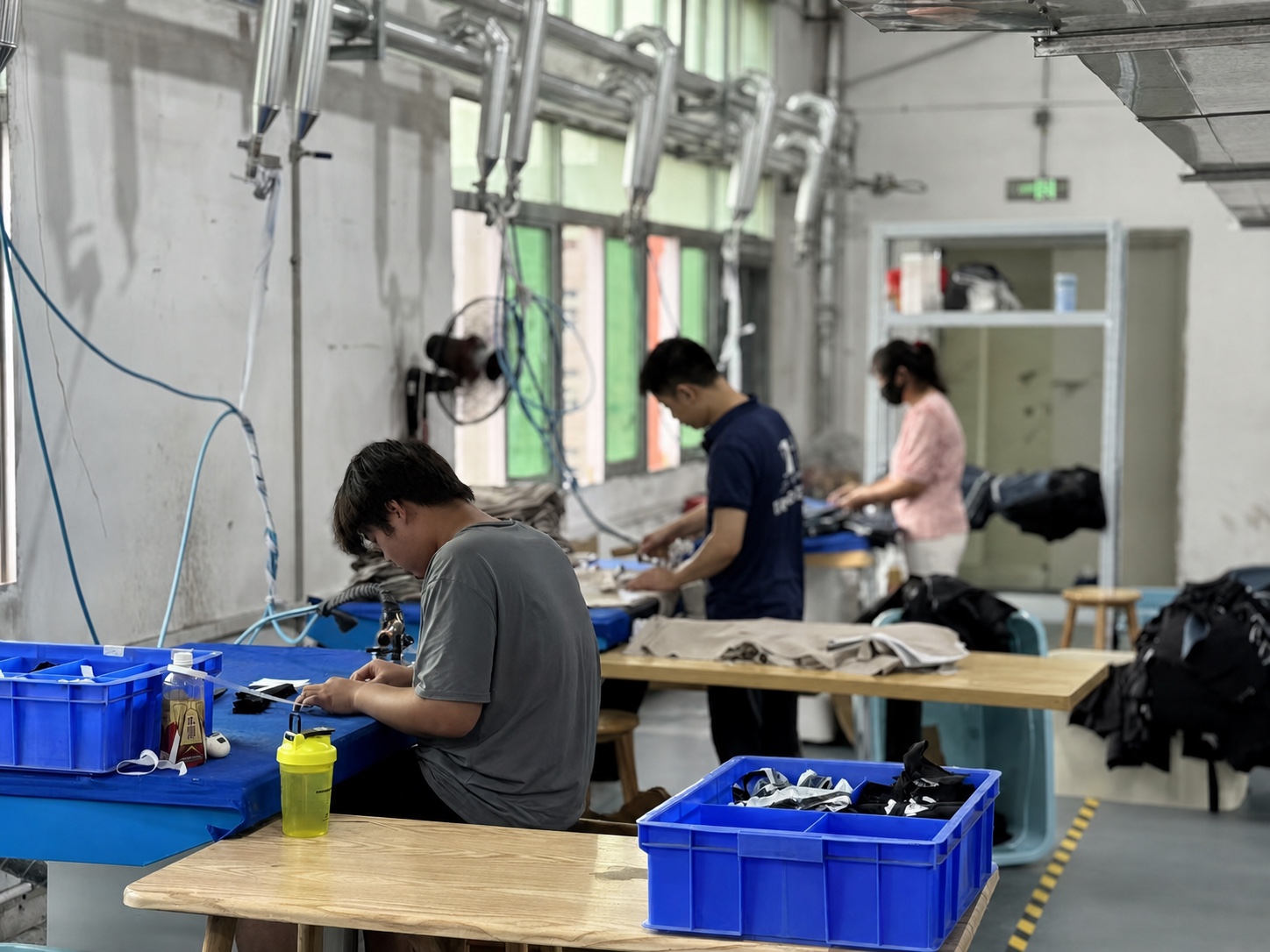
6. Approve the correction method before applying it broadly
Where the proposed correction could affect fit, appearance, strength, shade, labels, presentation, or another approved characteristic, review a representative corrected unit first. State the method, tools or components used, responsible person, acceptance reference, and any limitation. A correction that makes one observation disappear can still create a new problem elsewhere.
If the proposed action changes the approved product, material, construction, artwork, or packing rather than restoring it, use formal change control. The suit production change-order guide explains how to evaluate work in progress, revised files, commercial effects, and the effective production lot.
7. Reinspect against the same decision rule
After correction or process adjustment, define the reinspection scope before releasing the goods. Use the same approved requirement and reproducible method unless an authorised revision has changed the standard. Record the actual results, sample or lot selected, inspector, date, remaining findings, and disposition.
Do not treat completion of rework as proof of acceptance. The plan should show that the corrected goods and the relevant continuing production were verified. If a repeated issue remains, expand the investigation or hold scope instead of repeatedly correcting individual units without controlling the cause.
8. Name the release authority and required evidence
The corrective-action record should state who may release production, packing, or shipment and which evidence that person must review. Depending on the order, this may include the original finding, affected-lot analysis, approved correction method, reinspection results, revised file, buyer concession, packing reconciliation, and photographs.
A supplier report can support a buyer decision but should not silently authorise shipment when buyer approval is required. Equally, a buyer's informal message should not be interpreted beyond the exact style, quantity, lot, and condition it addresses. Record a concession separately from a permanent specification change.
9. Carry prevention into the next order
Close the action only after the immediate goods and the control failure have both been addressed. Update the relevant tech pack, measurement method, sample comment file, material-identification rule, first-output check, inspection form, packing instruction, training note, or escalation route. Identify the effective date and the orders or lots to which the revision applies.
For repeat programmes, review whether receiving, returns, alterations, wearer feedback, or store reports reveal the same pattern. Separate new buyer preferences from execution against the approved standard. The objective is a better controlled next order, not a vague promise that an issue can never recur.
Suit corrective action plan checklist
- Purchase order, style, component, colour, size, lot or carton, and effective file version
- Clear finding tied to the approved sample, specification, measurement, artwork, or packing rule
- Containment start time, responsible person, physical identification, location, and quantity
- Reproducible verification method, sample scope, actual result, photographs, and reviewer
- Immediate correction separated from root-cause and preventive action
- Traceable affected-lot decision with accepted, held, corrected, rejected, and open quantities
- Representative corrected unit approved before wider rework where needed
- Reinspection scope, result, remaining findings, and escalation rule
- Named production, packing, or shipment release authority and required evidence
- Controlled file and process updates carried into later lots and reorders
MrSure is a China-based suit supplier serving international B2B buyers. We can review a quality-action brief after the buyer shares the order reference, approved standard, observed finding, affected scope, available inspection evidence, and decision route. Buyers can also review the suit factory audit checklist, the measurement tolerance guide, or send a sourcing enquiry with the records already available. Exact remedies, prices, schedules, capacity, materials, and commercial terms depend on the confirmed programme and written agreement.