
A custom suit manufacturer for brands needs more than a moodboard or a product photo. For a B2B program, the useful starting point is a production brief that explains what the brand wants to sell, how the suit should be built, how it will be approved, and how the standard will be repeated.
MrSure supports menswear brands, private-label programs, trading partners, retailers, hospitality buyers, and corporate teams. This guide helps brands prepare a custom suit brief before sample development or bulk production.
1. Define the brand and channel context
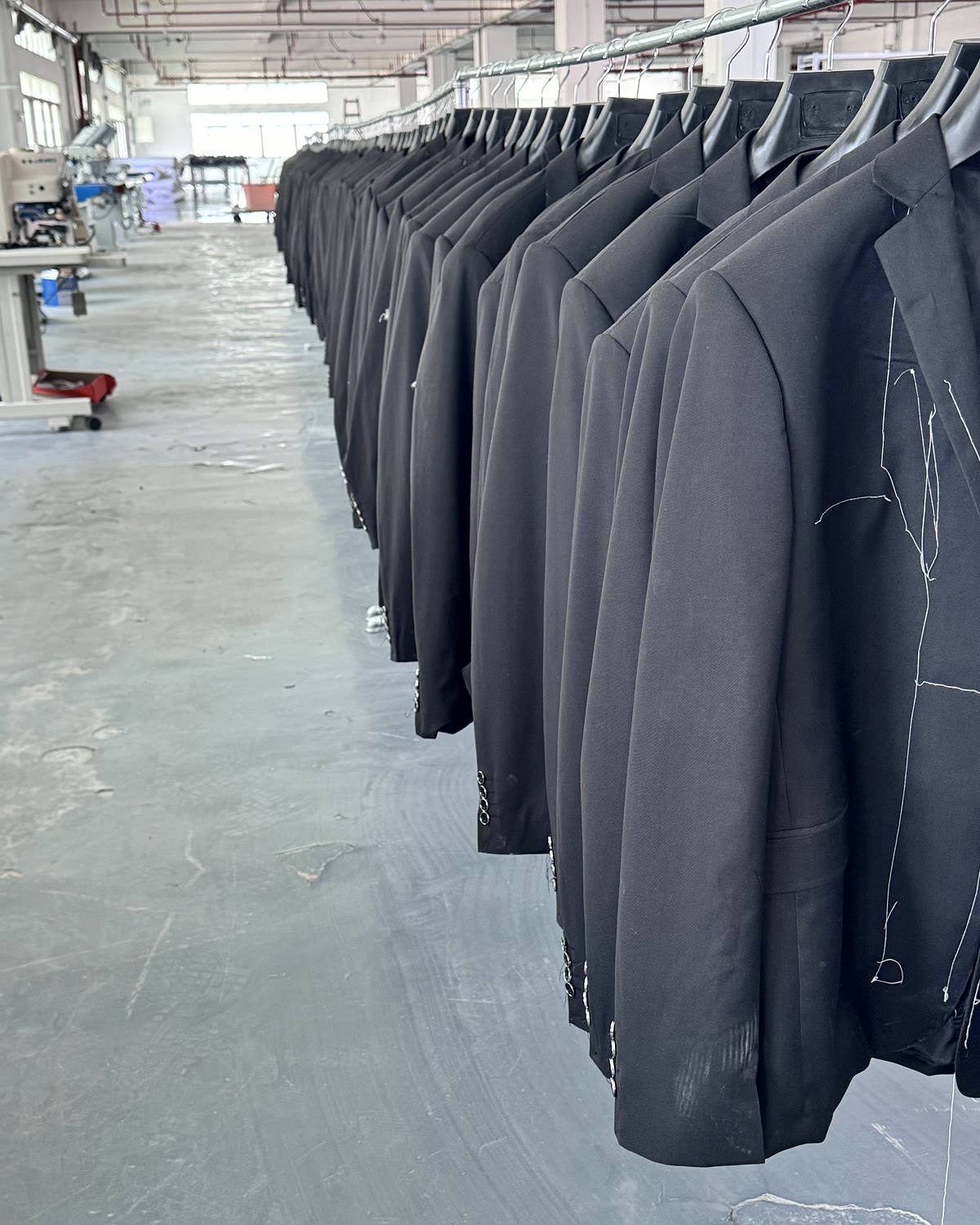
The manufacturer should understand the brand's customer, sales channel, style position, target price range, season, and product role. A suit for a premium retail line, online capsule, corporate client program, wedding supplier, or hospitality uniform project may need different planning.
Buyers should explain whether the first order is a market test, a planned repeat line, a client-specific program, or an expansion of an existing product standard.
2. Convert design direction into specifications
Design direction should become production language. Record suit type, fit, jacket length, lapel style, closure, pockets, vent style, trouser direction, lining, buttons, shoulder structure, stitching details, fabric direction, colour plan, and size range.
If the buyer has only a reference image, the first discussion should clarify what must be matched, what can be adjusted, and what needs development through sampling.
3. Prepare brand materials and packing files
Custom suit programs may need main labels, size labels, care labels, hangtags, barcodes, buttons, lining direction, garment bags, polybags, carton marks, and packing lists. Each file should include placement, size, colour, material direction, and approval responsibility.
The private-label suit supplier checklist can help brands organize branding details before sampling starts.
4. Use sample approval to protect the bulk standard
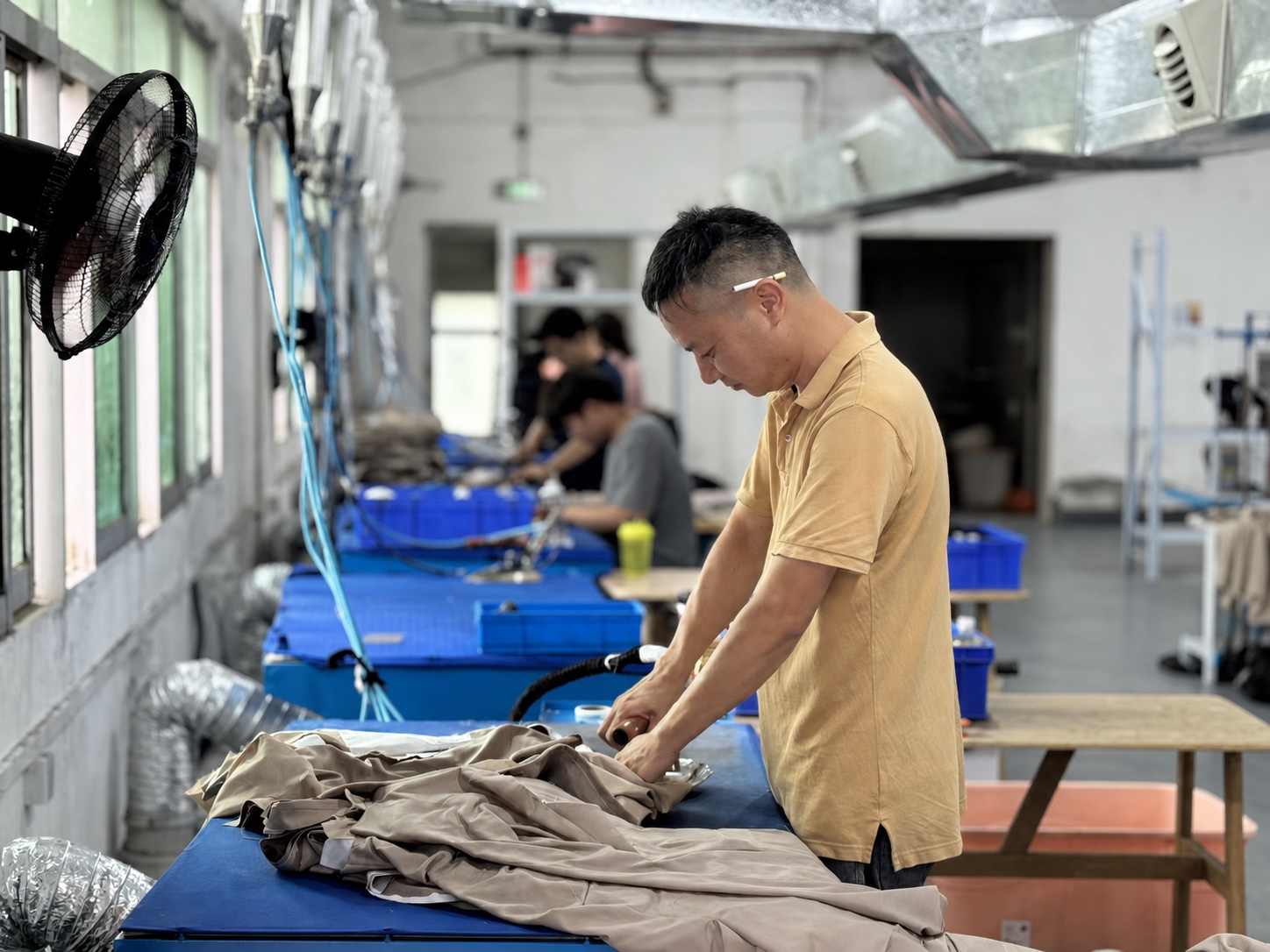
The sample should prove fit, measurements, fabric, construction, trims, labels, appearance, and packing presentation. If the sample is only a development direction, do not treat it as the final production reference.
The suit sample approval process explains how revision records reduce confusion before bulk production.
5. Build the order matrix and production assumptions
Prepare the order by style, colour, size, quantity, destination, delivery priority, label version, and packing method. If the brand expects future replenishment, separate confirmed first-order quantities from forecast quantities.
MOQ, cost, and lead time can change when the buyer changes fabric, colour count, size range, labels, packaging, or approval timing. These items should be discussed as a system, not as isolated numbers.
6. Define QC and shipping evidence
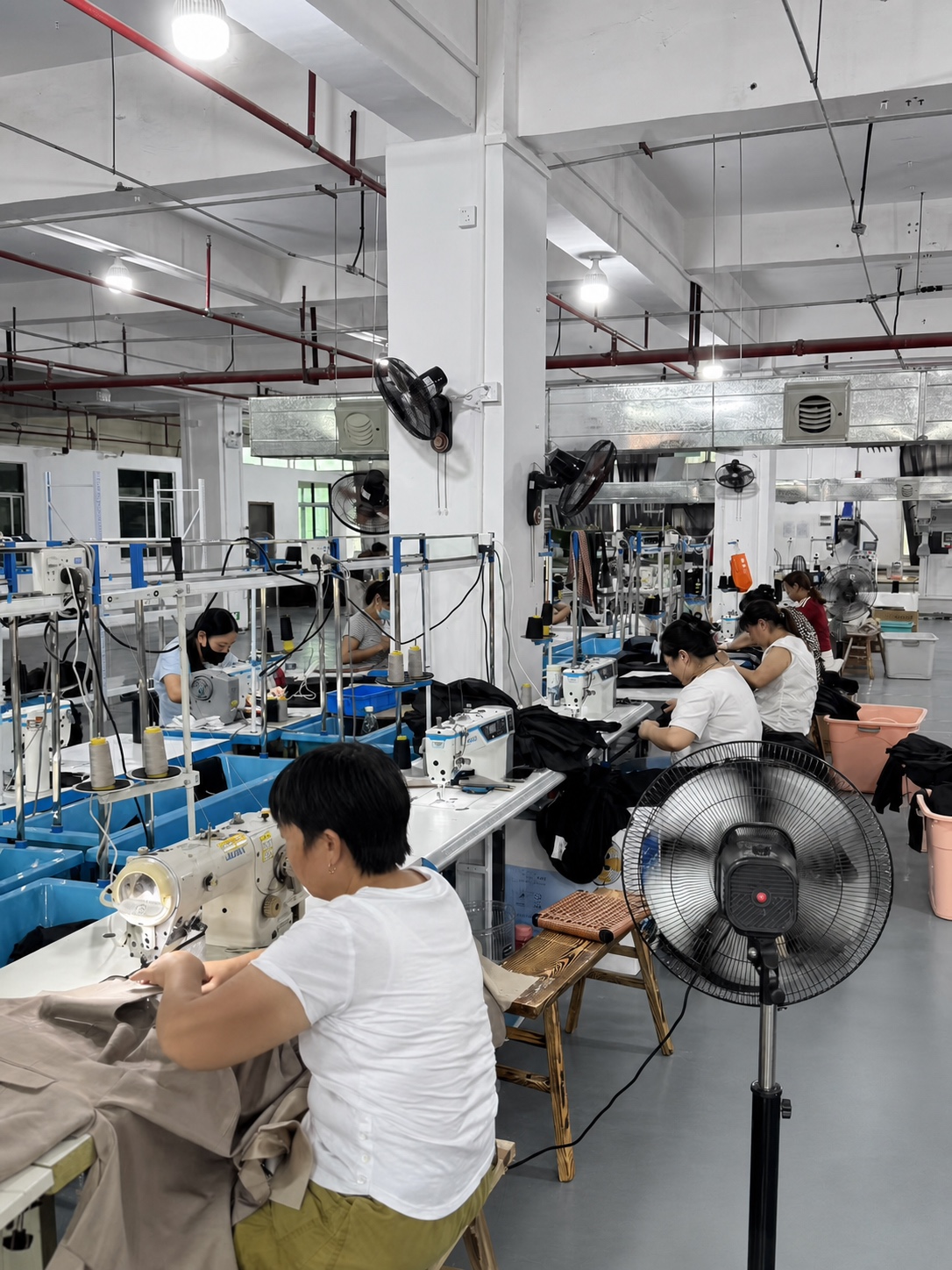
Quality control should compare finished goods with the approved sample, measurement chart, material reference, trim list, label files, and packing instructions. Brands should decide what evidence they need before shipment, such as measurement records, appearance photos, packing photos, or carton allocation checks.
The bulk suit quality inspection checklist can help buyers prepare inspection points without overcomplicating the brief.
7. Keep records for future collections
Brand programs become easier to repeat when the approved sample, measurement chart, fabric reference, trim records, label files, packing method, QC notes, and order matrix stay together. Treat changes as controlled revisions rather than informal messages.
Buyers can review the MrSure wholesale menswear collection, the suit manufacturing process, or send a sourcing inquiry with a custom suit production brief. A useful manufacturer discussion should connect brand identity with product specifications, approval control, quality checks, packing, and reorder continuity.
What should a useful first manufacturer response contain?
A responsible first response should separate what can be assessed immediately from what depends on a sample, material confirmation, artwork, quantity matrix, or destination requirement. It should identify missing information, the proposed development sequence, approval responsibilities, and the assumptions behind any early commercial discussion.
Brands can use the private-label suit supplier checklist for labels and presentation files, the suit tech pack checklist for product specifications, and the wholesale suit quotation guide to compare supplier responses on the same basis.