
A wholesale suit sample order is not simply a smaller version of the bulk order. For B2B buyers, it is the controlled reference that helps both sides confirm the product before quantity, delivery timing, and production responsibility become final.
For menswear retailers, Amazon sellers, boutiques, sourcing agents, and first-time wholesale buyers, a clear sample brief reduces avoidable revisions. It also helps the supplier quote the later bulk order against an approved standard rather than against a collection image alone.
1. Define what the sample needs to prove
A sample may be used to confirm general appearance, fit, fabric handfeel, construction, colour, label placement, packaging, or product-photography readiness. State the purpose before judging whether the sample cost is reasonable. A fit sample and a packaging sample can require different work, so one vague request can create confusion for both buyer and supplier.
2. Record the product standard
The request should identify the suit type, fit direction, fabric preference, lining, buttons, trouser details, size, colour, label needs, and packaging expectation. Reference photos are useful for direction, but the approved product standard should be written down before bulk production is discussed.
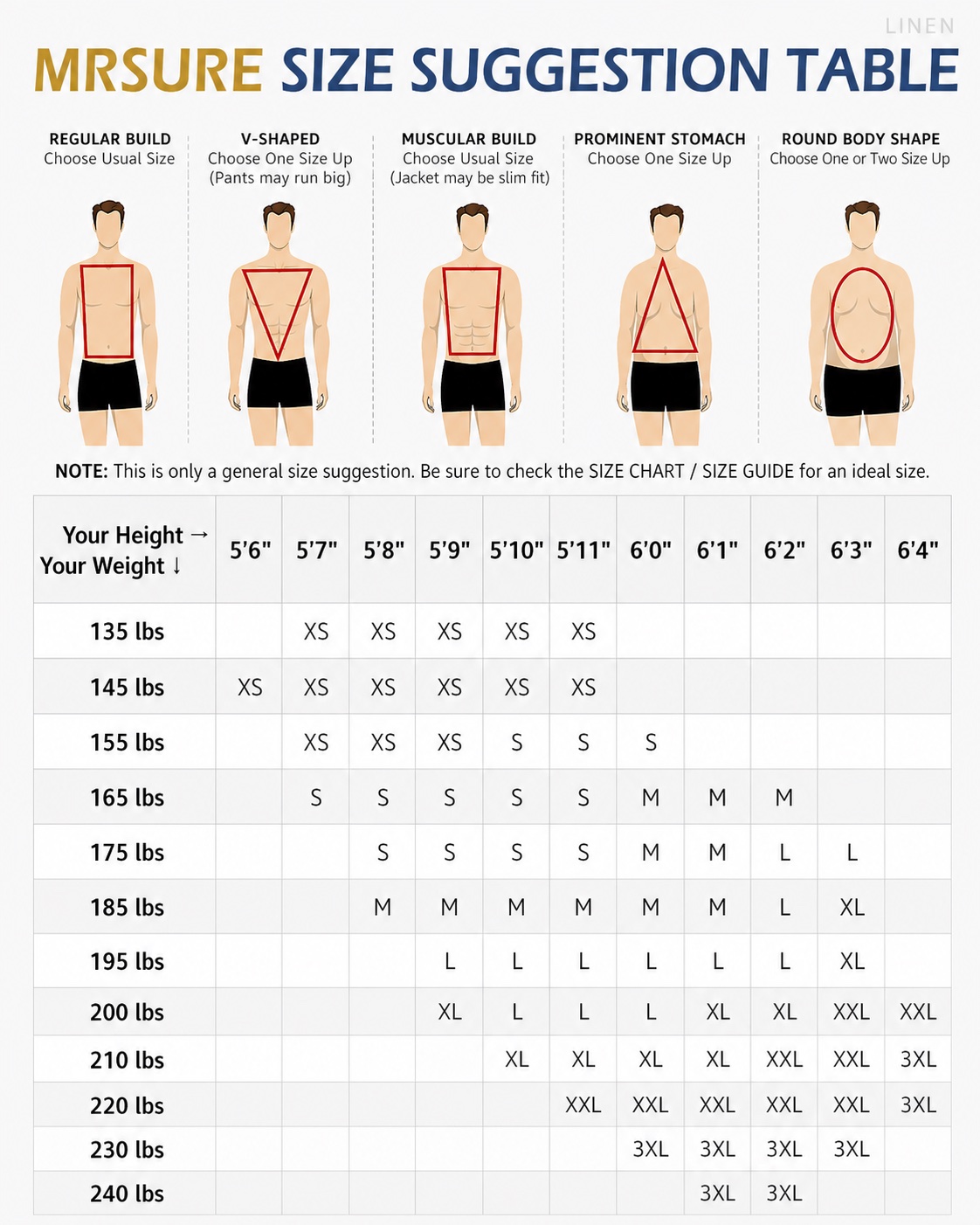
3. Review fit and measurements together
Photos help show proportion, but measurement records are equally important. Buyers should review the relevant points of measure, such as jacket length, shoulder, chest, waist, sleeve, trouser waist, rise, and inseam. Confirm whether the size is a reference sample, a selling size, or a size that will be graded into a bulk size range.
Where a buyer has an existing fit block or target size chart, sharing it before sampling makes the comparison more useful. Any agreed tolerance, alteration comment, or construction change should remain with the approval record.
4. Connect the sample to the bulk order
An accepted sample should lead into a bulk order specification. Record the approved fabric, colour, construction, measurements, size range, labels, packing method, and approval comments. If any of these items change after sample approval, the bulk quotation and delivery plan may need to be reviewed again.
5. Separate sample cost from bulk price
Sample cost, courier cost, revision responsibility, and any possible credit against a later bulk order should be discussed separately from the final wholesale price. The product cost may change when fabric, colour count, branding, packaging, size range, or order quantity changes.
Do not assume that a sample proves every commercial detail. It is a product and approval tool; the later bulk quotation still needs its own quantity, packing, delivery, and trade-term scope.
6. Keep a usable approval record
Once the sample is accepted, keep photos, comments, measurement notes, fabric references, label files, packing instructions, and the order matrix together. This record helps protect the first bulk order and makes later reorders easier to reproduce.
Buyers can review the B2B suit sample approval process, use the suit size chart manufacturer guide to make measurement feedback more specific, compare the MrSure wholesale collection, read the wholesale suit catalog guide, or send a sourcing inquiry with sample requirements before placing a larger order.
Confirm the sample budget before payment
Ask the supplier to separate the sample garment, pattern or development work, custom materials, label or artwork setup, special trims, packing, courier freight, and destination assumptions. Also record whether any amount can be credited against a qualifying bulk order, which revision work may create a new charge, and what happens when the buyer changes the approved brief.
The suit sample cost guide provides an itemised confirmation checklist. Keep that commercial record with the product brief so the buyer can distinguish a supplier execution issue from a new buyer-requested design, material, or branding change.