
A uniform supply contract should do more than record a unit price and a delivery address. For a corporate, hospitality, school, event, or multi-site suit programme, it should explain how the buyer and supplier will control product references, wearer information, approvals, call-off orders, quality evidence, changes, receiving, and replenishment over time.
This guide is an operational checklist for procurement teams, uniform suppliers, menswear brands, and organisations buying tailored garments. It is not legal advice and does not prescribe universal commercial terms. Contract language, privacy duties, local regulations, insurance, remedies, and liabilities should be reviewed for the actual parties and destination markets by qualified advisers.
1. Define the programme and each party's responsibilities
Start with the users, locations, garment components, and intended service model. A hotel front-desk programme, a school blazer contract, and a formal event wardrobe may all use tailored garments, but they have different wearer turnover, issue records, presentation standards, and reorder patterns.
Name who supplies the product brief, approves samples, maintains wearer and size information, places orders, confirms deliveries, reviews quality evidence, authorises changes, and resolves exceptions. If a distributor, importer, decorator, logistics provider, or nominated inspection party is involved, map its role instead of assuming the factory controls every stage.
The menswear supplier guide for uniform programmes helps procurement teams define roles, wearer groups, and programme needs before they draft operating terms.
2. Establish one approved product baseline
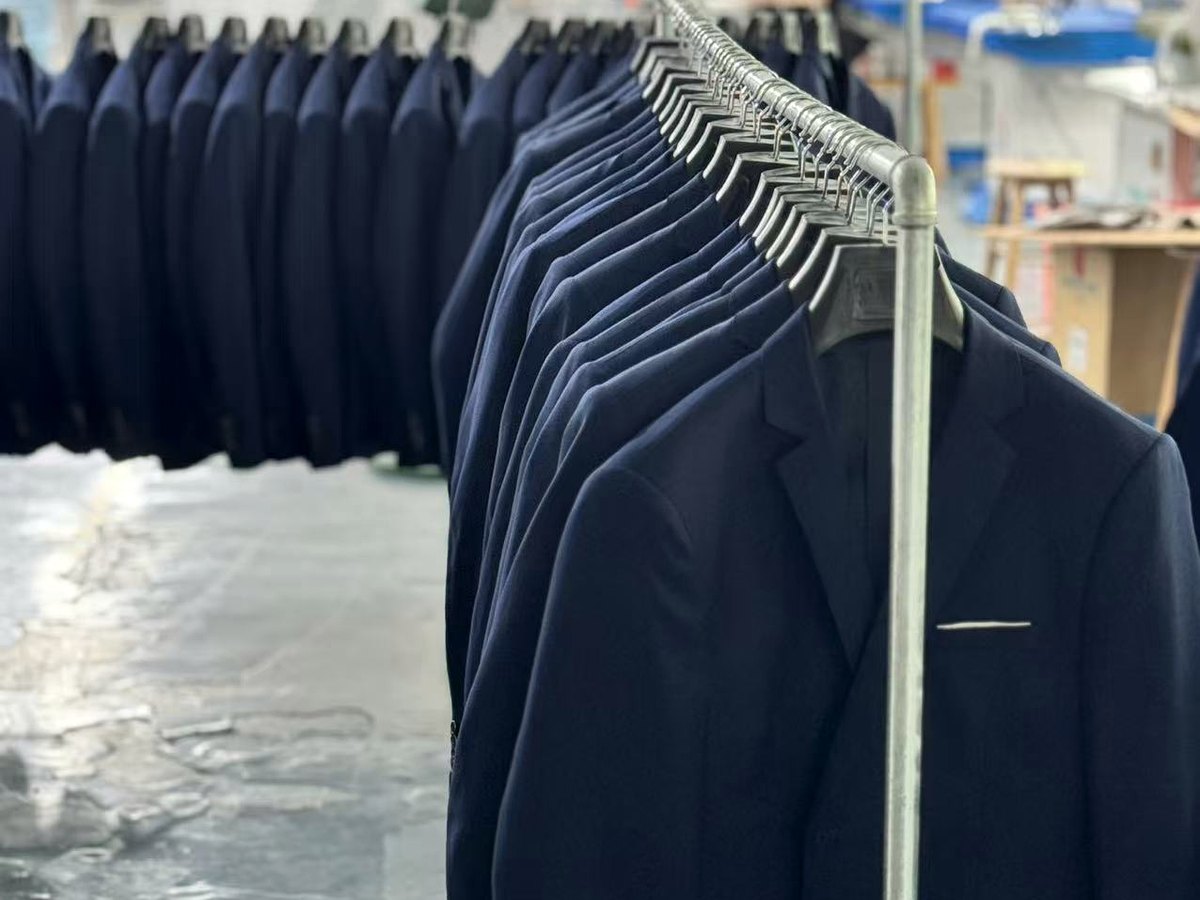
Attach or reference the controlled files that define the garment: style code, garment components, fit direction, measurement chart, size range, fabric and colour references, construction details, lining and trims, labels, packaging, and approved sample. Record the version, date, approval status, and authorised approver for each item.
A catalogue image or early quotation should not silently become the production specification. Mark open decisions clearly and state what evidence closes them. The suit tech-pack manufacturer checklist shows how to turn product references, measurements, materials, artwork, and packing into an executable file before sampling.
3. Control wearer, size, and issue data
Decide who collects wearer information, which fields are necessary, how corrections are handled, who may access it, and how long records are retained. Keep privacy and data-security requirements appropriate to the people and jurisdictions involved. A supplier should not have to infer whether an old spreadsheet, a site manager's message, or a newer fitting record controls the order.
For named-wearer programmes, connect each authorised order to the approved size or measurement record without exposing unnecessary personal data. For size-pool programmes, define the opening assortment, location allocation, issue and return records, and how reorder decisions will be based on actual use.
4. Separate forecasts, orders, and call-offs
A forecast helps plan materials and capacity, but it should not automatically be treated as a firm purchase order unless the agreement says so. Define which document creates a binding order, the information it must contain, who can issue it, and how the supplier acknowledges it.
For call-off or replenishment arrangements, record the approved styles, colours, sizes, destination, required documents, and current product version on every release. Explain how back orders, partial releases, substitutions, or discontinued materials will be reported and approved. Do not assume a repeat order can use an earlier material or trim when the available production lot has changed.
5. Link quality evidence to release decisions
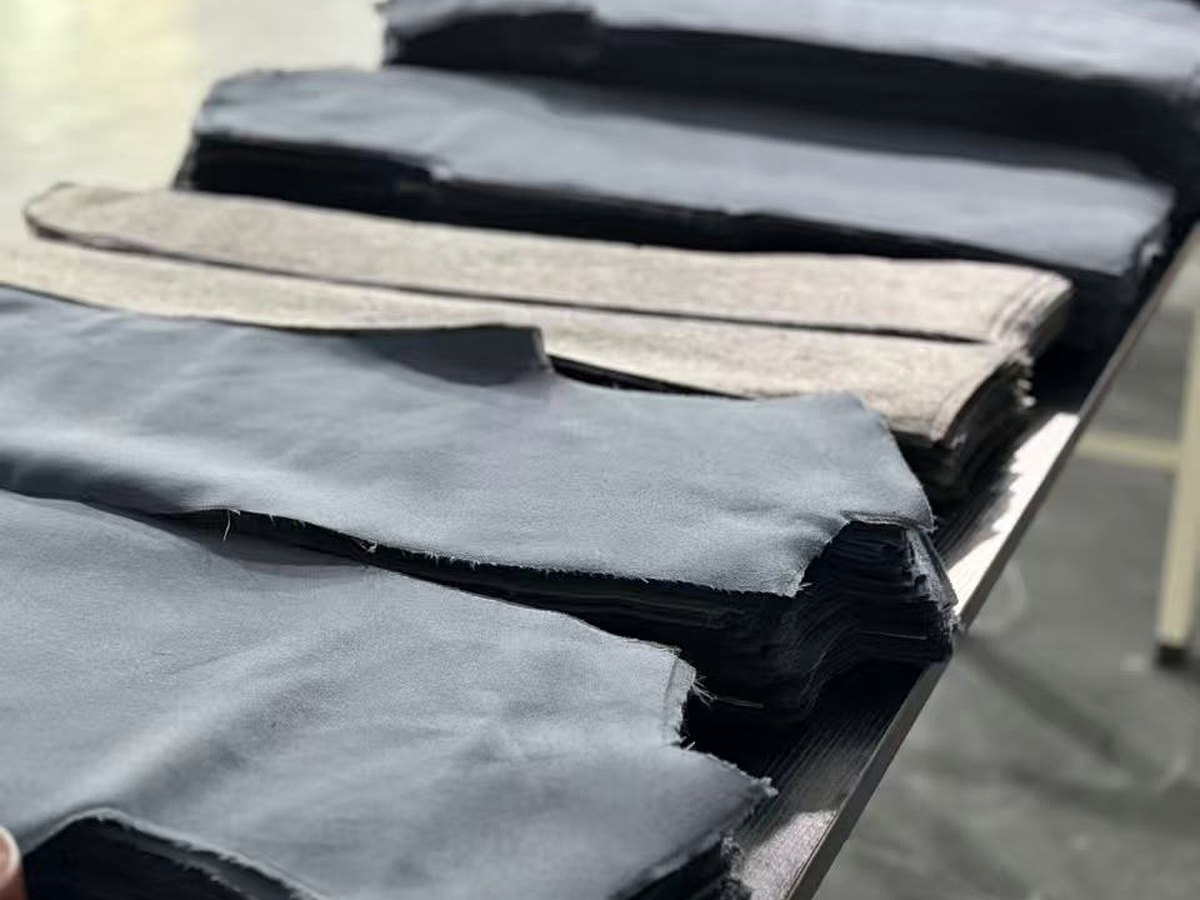
The contract should identify the approved reference, inspection stages, required records, responsibility for review, and authority to release goods. Useful evidence may include material identity and lot records, sample approvals, measurement results, workmanship findings, labels, assortment, packing, corrective action, and reinspection.
Avoid relying on a broad statement such as “standard quality.” State what the buyer will compare, which version applies, and what happens when evidence is incomplete or a finding affects only part of an order. The bulk suit order quality-control guide explains how to connect findings to the correct version, lot, corrective action, and shipment decision.
6. Define packing, destination, and receiving records
State how garments are identified at unit, inner-pack, and carton level; whether orders are packed by wearer, site, size, or SKU; and which packing list, carton mark, barcode, or delivery document the receiving team needs. For multi-site programmes, define the allocation and address confirmation process before final packing.
Receiving should produce a usable record: date, destination, quantities received, visible condition, shortages or discrepancies, and the person who accepted or escalated the delivery. A warehouse problem cannot be resolved efficiently if the buyer cannot connect a carton, packing-list line, and product version.
7. Use written change control
Uniform programmes evolve. A buyer may revise a fit, size range, label, colour, packing method, destination split, or wearer list; a supplier may need to report material availability or another production constraint. Define how either party raises a change, the information required, who assesses its effect, and who approves it.
Every approved change should show the effective order or lot, superseded reference, affected quantities, open work, and evidence that must be reapproved. The suit production change-order guide provides a practical record for product, commercial, and release impacts without treating an informal message as a complete instruction.
8. Review service using programme evidence
Agree a review rhythm appropriate to the programme. Discuss order accuracy, approved-versus-actual timing records, quality findings, corrective-action closure, receiving discrepancies, wearer feedback, replacements, and open product changes. Use definitions that both parties can verify rather than a vague score with no source record.
The review should lead to named actions, owners, and dates. It can also identify whether the size curve, issue process, packing allocation, or product specification needs revision before the next release. Do not turn every wearer preference into a production defect; separate fit or specification decisions from supplier execution against the approved standard.
9. Plan renewal, transition, and exit records
Before the programme ends, define how open orders, held materials, approved samples, patterns, branded components, confidential files, wearer data, claims, and final invoices will be handled. Record what must be returned, transferred, destroyed, retained, or reconciled, subject to the actual agreement and legal requirements.
If a replacement supplier will take over, identify which approved files and physical references the buyer is entitled and able to transfer. A controlled exit reduces the risk that the next programme starts with unverified images, incomplete size history, or obsolete labels.
Uniform supply contract management checklist
- Programme scope, locations, wearer groups, garment components, and service model
- Named responsibilities for specification, data, approval, ordering, inspection, receiving, and change control
- Controlled product baseline with file versions and approval evidence
- Wearer, size, fitting, issue, return, and privacy process
- Forecast, purchase-order, call-off, acknowledgement, and replenishment rules
- Material, sample, bulk-quality, corrective-action, and release evidence
- Packing, destination allocation, delivery, and receiving records
- Change-request, impact-review, approval, and effective-lot controls
- Service-review measures, actions, escalation, renewal, and exit records
MrSure is a China-based suit supplier serving international B2B buyers. We can review a proposed programme after the buyer shares the garment scope, wearer groups, product references, size-data status, destination, and approval requirements. Buyers can also review the business uniform suit manufacturer checklist or send a sourcing enquiry with the programme information already available. Exact prices, order minimums, schedules, and commercial terms depend on the confirmed brief and written agreement.