
A private-label blazer program should not begin only with a reference photo. For B2B buyers, the useful starting point is a product standard that can be sampled, approved, produced, inspected, packed, and reordered without losing control of the brand details.
MrSure supports menswear brands, trading partners, retailers, hospitality buyers, corporate teams, and group programs. This guide helps buyers prepare a private-label blazer brief before asking a manufacturer for samples or quotations.

1. Define the blazer use case
Start with the selling channel or wearer group. A retail fashion blazer, corporate blazer, hospitality blazer, club blazer, event blazer, and private-label businesswear item may need different fit, fabric, lining, construction, colour, packing, and reorder planning.
Buyers should describe the target customer or wearer, season, expected presentation level, size range, colour plan, order quantity direction, and required delivery window. A manufacturer can respond more responsibly when the program use is clear.
2. Confirm fit and construction direction
Record whether the blazer should be slim, regular, relaxed, structured, lightweight, fully lined, partially lined, or built around another clear direction. Include lapel style, front closure, pocket direction, vent style, shoulder direction, sleeve details, button direction, and any special trim requirement.
The first sample should prove the product standard, not only the general appearance. Buyers can review the suit sample approval process to keep comments, measurements, and revisions traceable.
3. Prepare branding details before sampling
Private-label work may include main labels, size labels, care labels, hangtags, barcodes, buttons, lining direction, polybags, garment covers, carton marks, or store allocation details. Each item should have artwork, placement, colour, material direction, and approval notes before bulk production.
If the buyer is still changing label size, artwork, or packing presentation, the supplier should treat the sample as a development stage rather than a final bulk standard.

4. Make colour and material decisions visible
Terms such as premium, lightweight, formal, linen-look, wool-like, stretch, or business fabric are not enough by themselves. Buyers should approve fabric direction, colour reference, lining, buttons, and trim combinations together.
For multi-colour programs, identify core colours and seasonal colours separately. This helps the supplier discuss minimums, material planning, production grouping, and future reorder risk without promising a fixed number too early.
5. Build the size and order matrix
Prepare the matrix by style, colour, size, quantity, and destination. Retail programs can use sales evidence or planned assortment logic. Uniform or group programs should use wearer data, department allocation, and reserve-unit planning where possible.
The bulk suit size-ratio planning guide can help buyers avoid a program that has enough total units but misses important sizes.
6. Agree on QC and packing standards
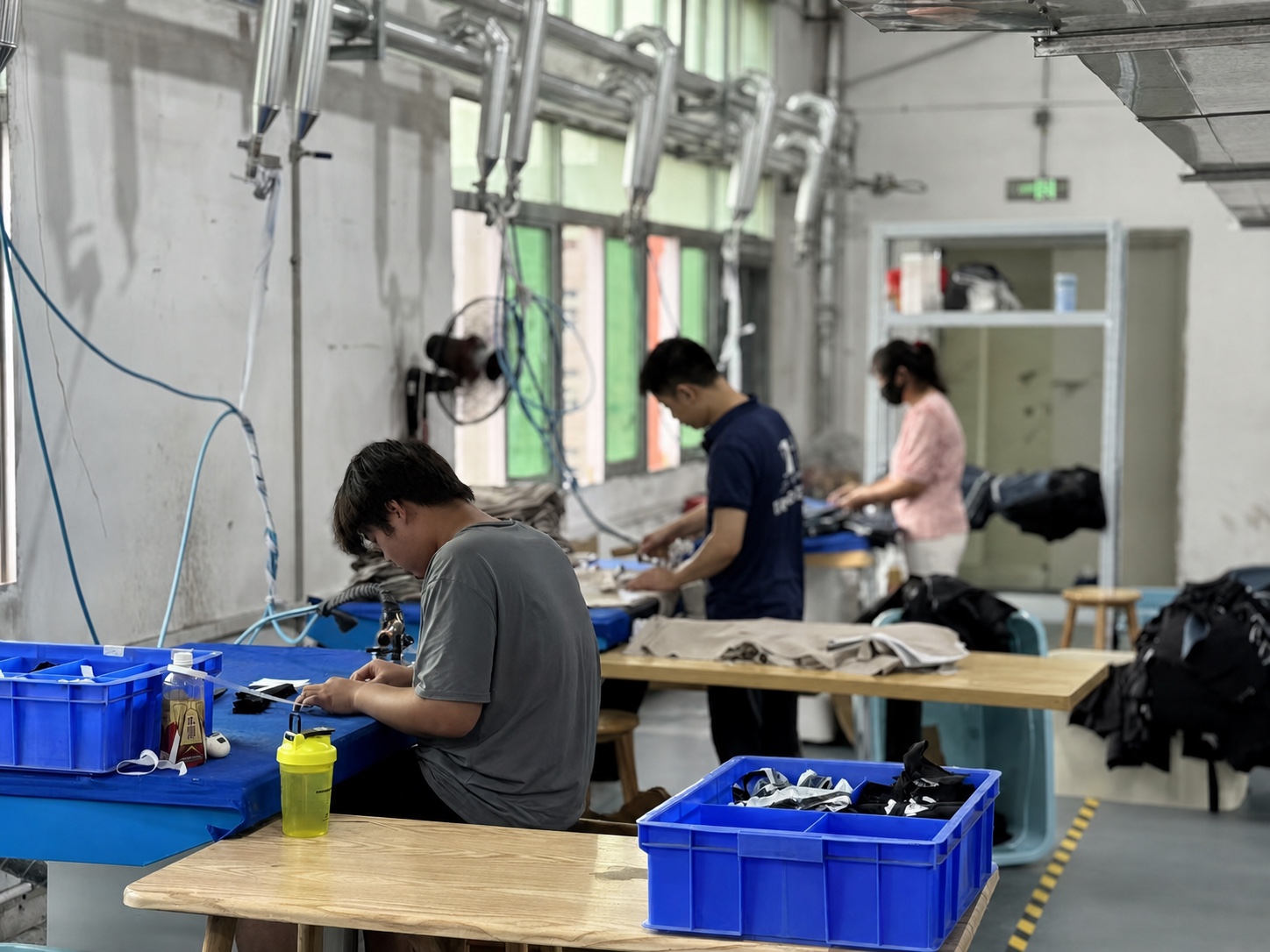
Inspection should compare finished goods with the approved sample, measurement chart, material standard, label files, and packing instructions. Blazers should be checked for appearance, stitching, pressing, lining, buttons, labels, size marks, colour consistency, and carton allocation.
Packing should match the buyer's operation. Some buyers need store allocation; others need e-commerce labeling, department packing, or event issue by wearer.
7. Keep records for reorders
Private-label blazer programs become more stable when the approved sample, measurement chart, material reference, label files, packing standard, QC notes, order matrix, and change record stay together. Reorders should be based on confirmed data rather than memory.
Buyers can review the MrSure wholesale menswear collection, the suit manufacturing process, or send a sourcing inquiry with a private-label blazer brief. A useful manufacturer discussion should connect brand presentation with production standards, approval control, quality checks, packing, and reorder continuity.