
A custom label suit supplier conversation should begin before the buyer sends a logo file. Private-label menswear programs need clear decisions about product standard, label scope, artwork, placement, packing, quality control, and reorder records. Without those details, two suppliers can appear to offer the same branding service while pricing very different work.
MrSure supports B2B menswear buyers, online sellers, retailers, sourcing partners, and private-label programs. This guide helps buyers prepare custom label and branding requirements before sampling or bulk production.
1. Define what custom labeling includes
Custom label can mean several different things. A buyer may need a main neck label, size label, care label, composition label, hangtag, barcode sticker, branded polybag, garment cover, carton mark, button detail, lining direction, or a full private-label packaging presentation.
List each item separately. The supplier should not have to guess whether branding means one sewn label or a complete retail-ready package. A clear list helps both sides understand sample cost, bulk cost, production timing, and what must be approved before goods are packed.
2. Prepare artwork in usable files
Branding files should be production-ready. Buyers should prepare logo artwork, label text, dimensions, color references, material direction, language requirements, barcode or SKU data, and placement notes. If a care label or composition label must follow destination-market rules, the buyer should confirm the required wording before production.
Version control matters. Use file names and dates so old artwork does not mix with the approved version. If artwork is still under review, mark it as an open item instead of treating the order as ready.
3. Connect labels to the garment standard
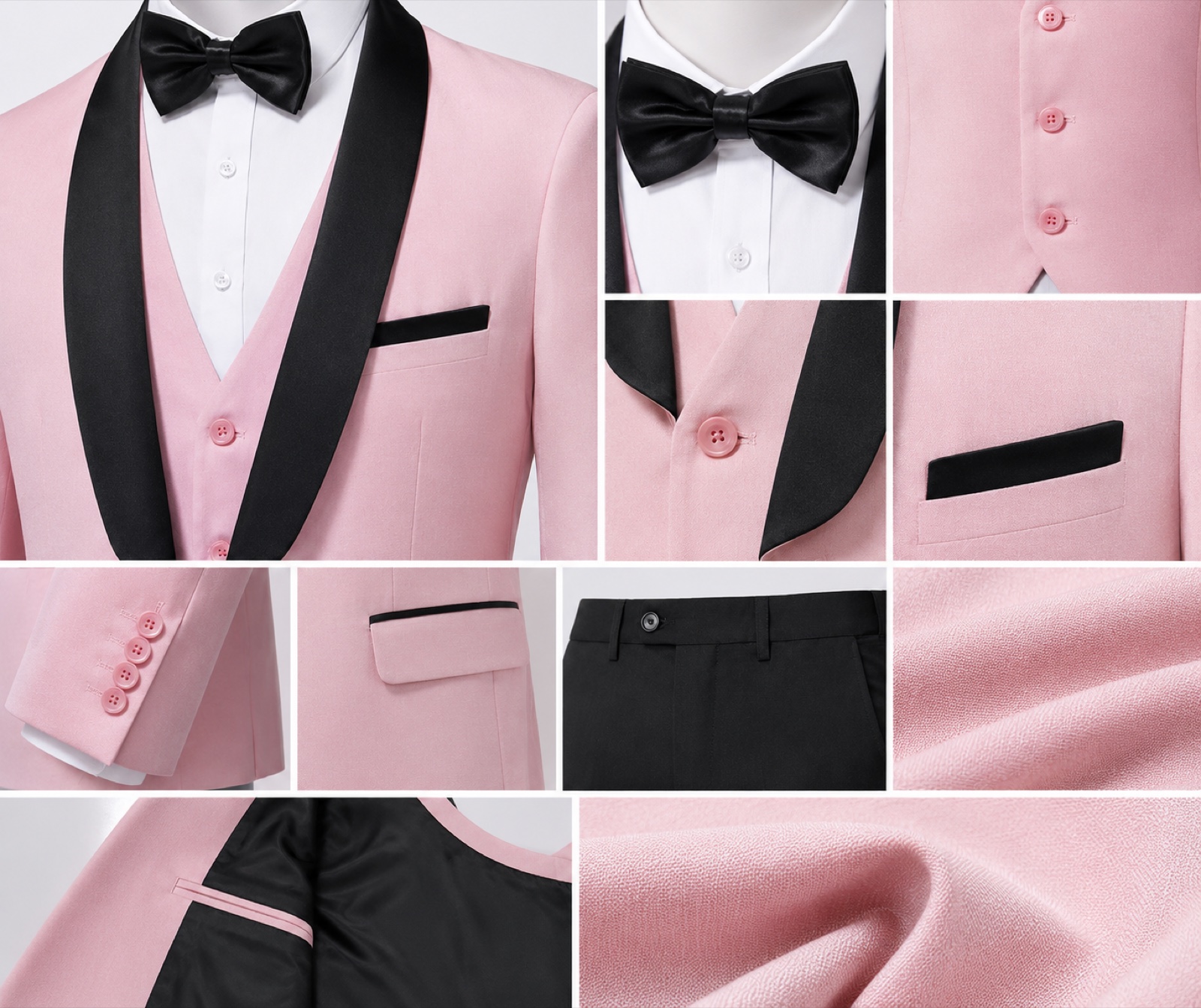
Branding should match the product being produced. A formal tuxedo, business suit, blazer, hospitality uniform, or online retail product may need different label placement, garment presentation, and packing logic.
The supplier brief should define suit type, fabric direction, lining, buttons, label placement, hangtag position, folding or hanging presentation, and final packing method together. A label approval alone is not enough if the buyer has not approved the garment standard.
4. Decide what the sample must prove
A branding sample can serve different purposes. It may prove label appearance, label placement, stitching, garment fit, packaging, photography readiness, or all of these at once. Buyers should state which decisions the sample needs to confirm.
If the first sample is only a direction sample, do not treat it as the final production standard. A final approval should include the garment, measurements, fabric, trims, labels, hangtags, packing, and any accepted changes. The suit sample approval process can help keep revision notes clear.
5. Review MOQ and cost drivers
Custom branding can change minimum quantity and cost. Drivers may include label production, material purchasing, color matching, packaging components, printing plates, barcode handling, sample revisions, and whether the order uses regular stock or a custom product.
Buyers should ask which part of the request is driving the minimum. Sometimes the garment itself is flexible, while a special label, box, or packaging component creates a higher minimum. The private-label suit supplier guide explains how to separate these decisions before comparing quotations.
6. Define QC evidence for branded goods
Quality control should check both the suit and the branding. Finished goods should be compared with the approved sample, measurement chart, fabric reference, label files, hangtag files, barcode data, packing method, and carton marks.
Useful evidence may include label photos, placement photos, packing photos, measurement records, appearance checks, and carton allocation checks. If a branding error is found after packing, correction can be slower than a normal workmanship fix, so the inspection path should be clear before shipment.
7. Preserve files for repeat orders
Private-label programs become easier when the buyer and supplier keep a complete record. The reorder file should include the final sample reference, label artwork, dimensions, placement notes, packaging files, barcode logic, measurement chart, order matrix, QC evidence, and accepted changes.
This prevents a future order from becoming a new development project. It also helps the buyer compare pricing because the supplier is quoting the same controlled product and branding standard.
Custom label supplier checklist
- Main label, size label, care label, hangtag, barcode, and packing scope
- Artwork files, dimensions, color references, language, and placement
- Garment standard, fabric direction, trims, and sample purpose
- Approval version, open items, and change records
- MOQ and cost drivers for labels, packaging, and custom components
- QC evidence for label placement, packing, carton marks, and finished goods
- Final files for repeat orders and replenishment
Buyers can review the MrSure wholesale collection, the online menswear brand supplier guide, or send a sourcing inquiry with a draft branding brief. A useful custom label discussion makes product, artwork, packing, inspection, and reorder requirements visible before sampling begins.