
A business blazer manufacturer can only prepare a useful sample or quotation when the buyer explains how the blazer will be used. A blazer for retail stock, office teams, hotel staff, club members, event teams, or private-label businesswear may look similar in a photo but require different planning behind the product.
MrSure supports B2B menswear buyers with sampling, wholesale businesswear, blazer programs, suit production, quality control, packing, and reorder support. This guide helps buyers define the business blazer brief before production discussions begin.
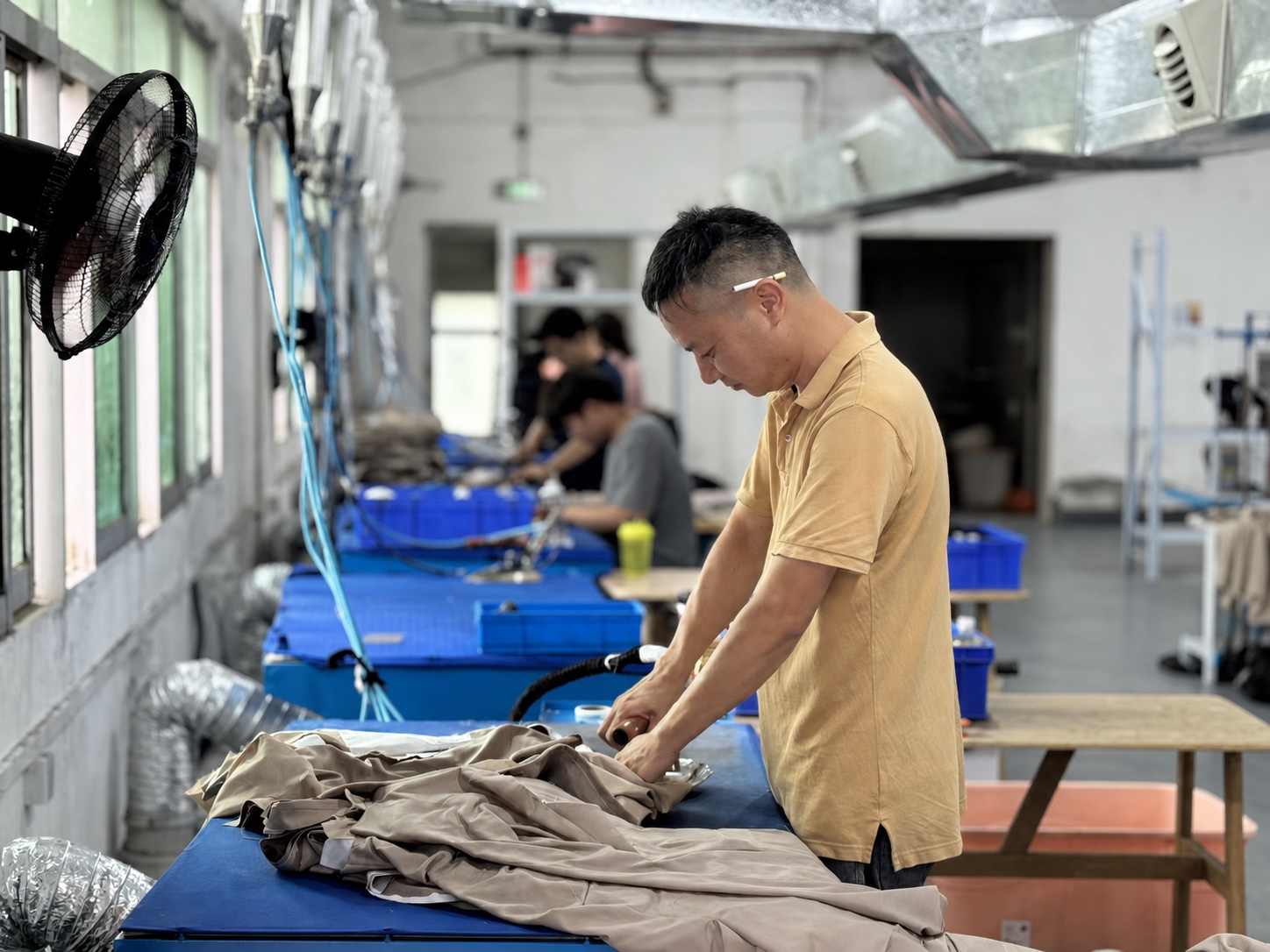
1. Start with the use case
Business blazer requirements should be connected to the buyer's channel and wearer environment. A retail blazer may need assortment planning and presentation details. A corporate or hospitality blazer may need role mapping, wearer comfort, replacement planning, and packing by department or location.
Buyers should describe who will wear or sell the blazer, where it will be used, what level of formality is expected, and whether the program is a one-time order or a repeat supply plan.
2. Define fit and silhouette
Fit direction affects pattern work, size planning, sample comments, and wearer satisfaction. Record whether the blazer should be slim, regular, relaxed, structured, soft, lightweight, or more formal. Include jacket length, shoulder direction, lapel style, front closure, sleeve details, pocket direction, vent style, and measurement expectations.
Use sample approval to turn these choices into a production standard. The suit sample approval process explains how buyers can keep fit comments and measurement records clear.
3. Confirm fabric and lining direction
Fabric selection should match the use case, season, price position, colour plan, and care expectations. Buyers should avoid relying only on broad terms such as premium, comfortable, lightweight, or formal. Ask for swatches or clear material direction before judging the sample.
Lining, buttons, interlining direction, shoulder structure, and pressing can change how the blazer looks and feels. These details should be discussed before comparing supplier quotations.
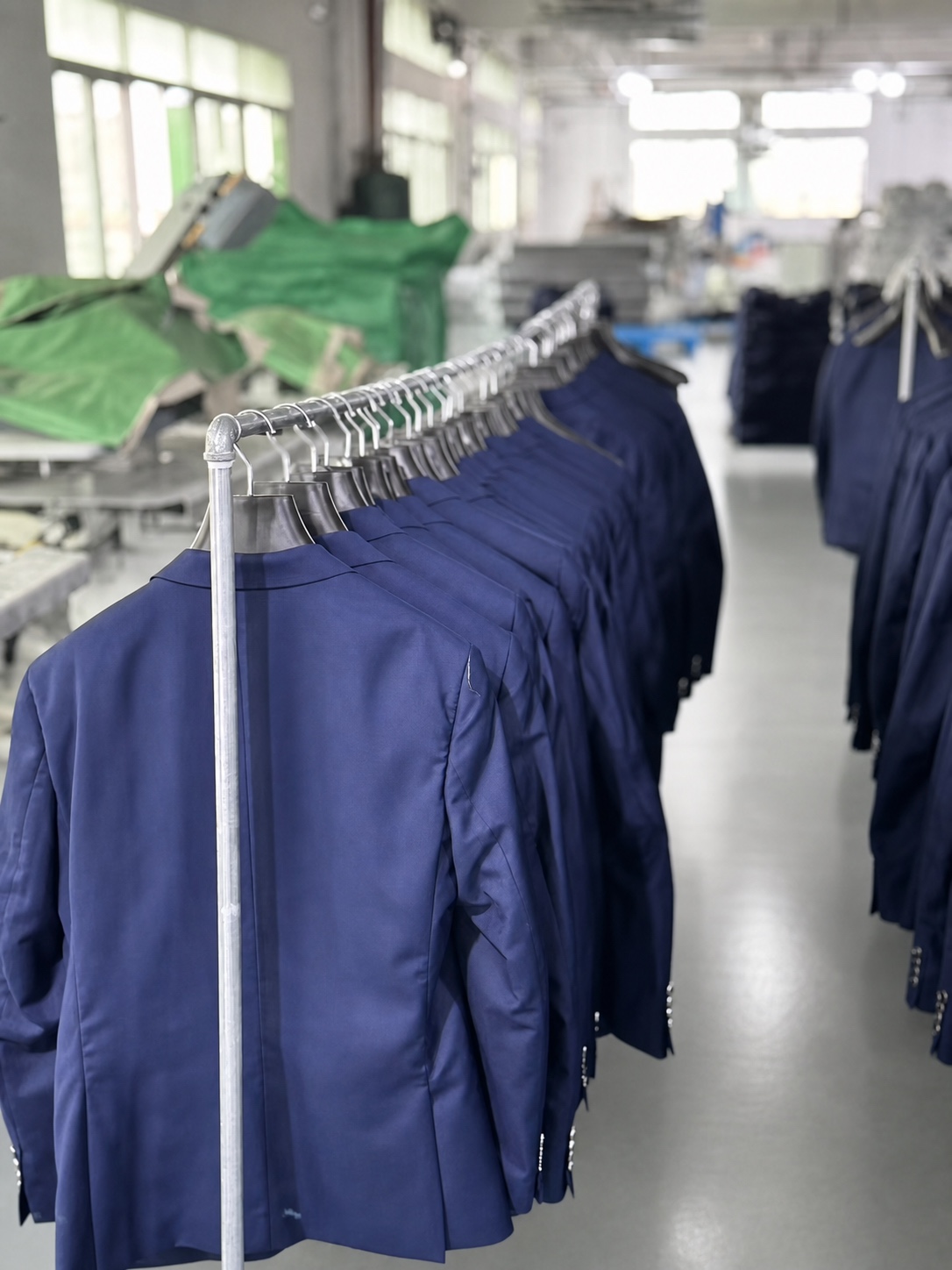
4. Build the size and quantity matrix
Prepare the order by style, colour, size, quantity, and destination. Retail buyers may plan size ratios by sales evidence or launch strategy. Team and uniform buyers should use wearer measurements, department allocation, location needs, and reserve units.
For mixed blazer programs, separate core colours from seasonal colours and separate confirmed quantities from forecast quantities.
5. Make finishing and appearance standards visible
Business blazers need consistent pressing, shape, lapel appearance, shoulder balance, sleeve finish, button security, lining appearance, and clean packing. Finishing should be part of the production plan, not an afterthought after sewing.
The bulk suit quality inspection checklist can help buyers define what evidence should be reviewed before shipment.

6. Plan labels, packing, and receiving
Private-label, retail, corporate, and hospitality programs may need different label and packing rules. Confirm size labels, care labels, hangtags, barcodes, garment covers, hangers, carton marks, store allocation, department allocation, or wearer allocation before production finishes.
Packing affects how the buyer receives and distributes the goods. A clear packing matrix can reduce sorting work and receiving errors.
7. Preserve reorder records
Business blazer programs are easier to repeat when the approved sample, measurement chart, material reference, colour standard, label files, packing method, QC notes, and order matrix are stored together. Treat material, fit, colour, or branding changes as controlled revisions rather than informal updates.
Buyers can review the MrSure wholesale menswear collection, the wholesale blazer sourcing guide, the double-breasted suit wholesaler buying guide when the programme includes a double-breasted core style, or send a sourcing inquiry with a business blazer brief. A useful manufacturer discussion should connect the blazer's use case with fit, fabric, finishing, inspection, packing, and reorder control.