
A shawl lapel tuxedo supplier needs more than a request for a smooth lapel and a formal colour. The lapel is one visible part of a complete tuxedo standard: jacket balance, facing direction, closure, trouser relationship, vest or accessory scope, fabric appearance, size plan, and final presentation all need to be clear before a buyer asks for a production-ready quotation.
This guide is for formalwear retailers, wedding businesses, rental programmes, event suppliers, menswear brands, and group buyers. It does not assume a fixed fabric, colour, stock position, minimum order, or delivery date. Those details should be checked against the chosen material, approved sample, and order file.
1. Describe the shawl lapel as part of the full garment
Start with the intended wearer and occasion, then define the garment components. State whether the order is a two-piece tuxedo, a three-piece set, or a coordinated outfit with separate accessories. Record the desired lapel depth and width direction, facing contrast or self-fabric direction, closure, pocket treatment, vent, trouser finish, lining direction, buttons, and any vest, shirt, tie, bow tie, or pocket-square scope.
A reference image can explain visual intent, but it does not confirm what is included in the order. Keep a written component list with the product reference so a visible trim or accessory is not assumed to be included without review.
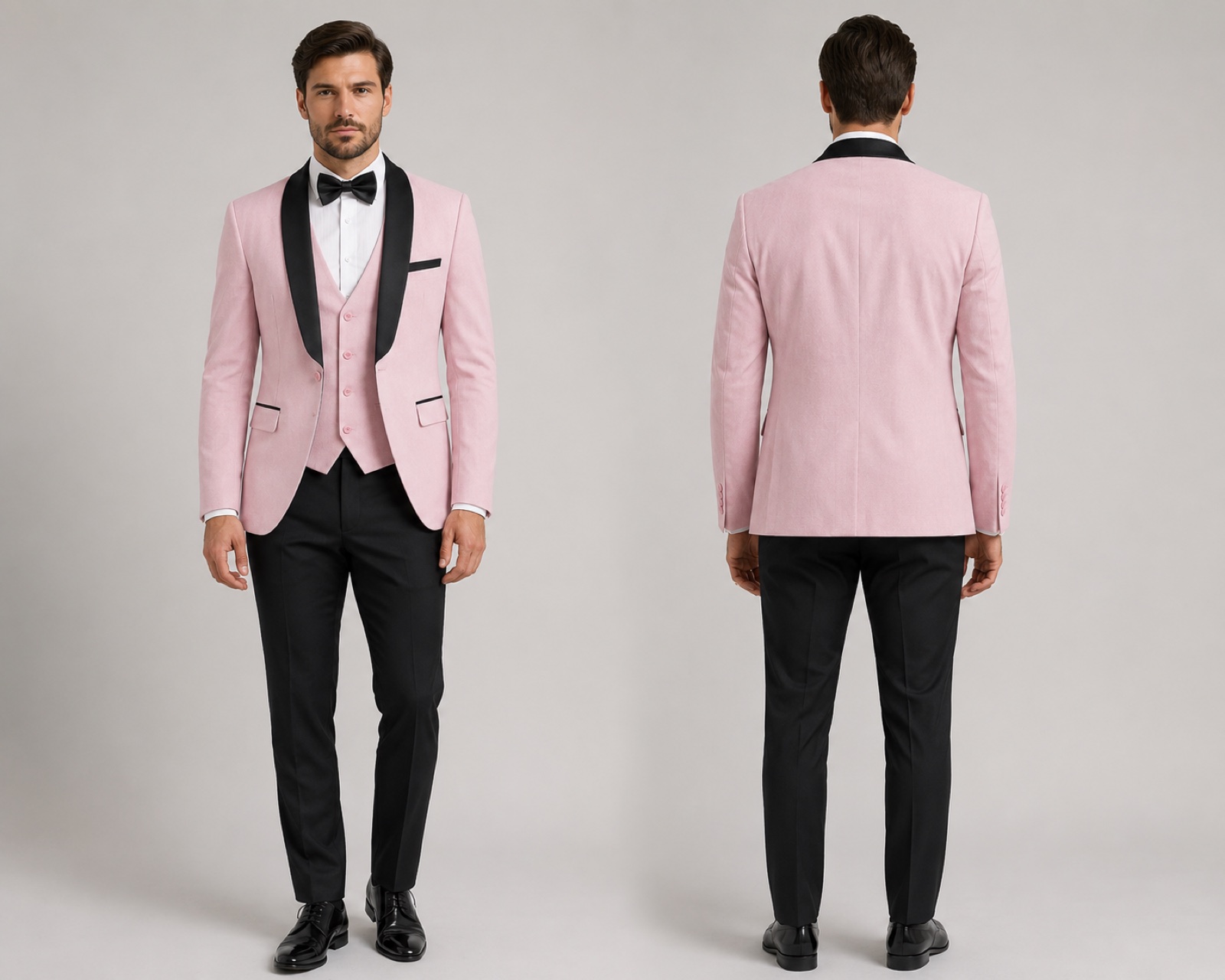
2. Review lapel proportion with the approved sample
Shawl lapels rely on line, curve, scale, and the way the facing sits against the jacket front. Review the lapel together with shoulder expression, chest shape, closure position, jacket length, trouser proportion, and the wearer or target fit direction. A comment such as “make it more formal” is hard to reproduce; name the sample size, the visible point of change, and the approved result instead.
If the buyer is comparing more than one fabric or colour, keep each sample and reference clearly labelled. A screen image cannot establish final sheen, colour, texture, or matching between a lapel facing and the rest of the garment.
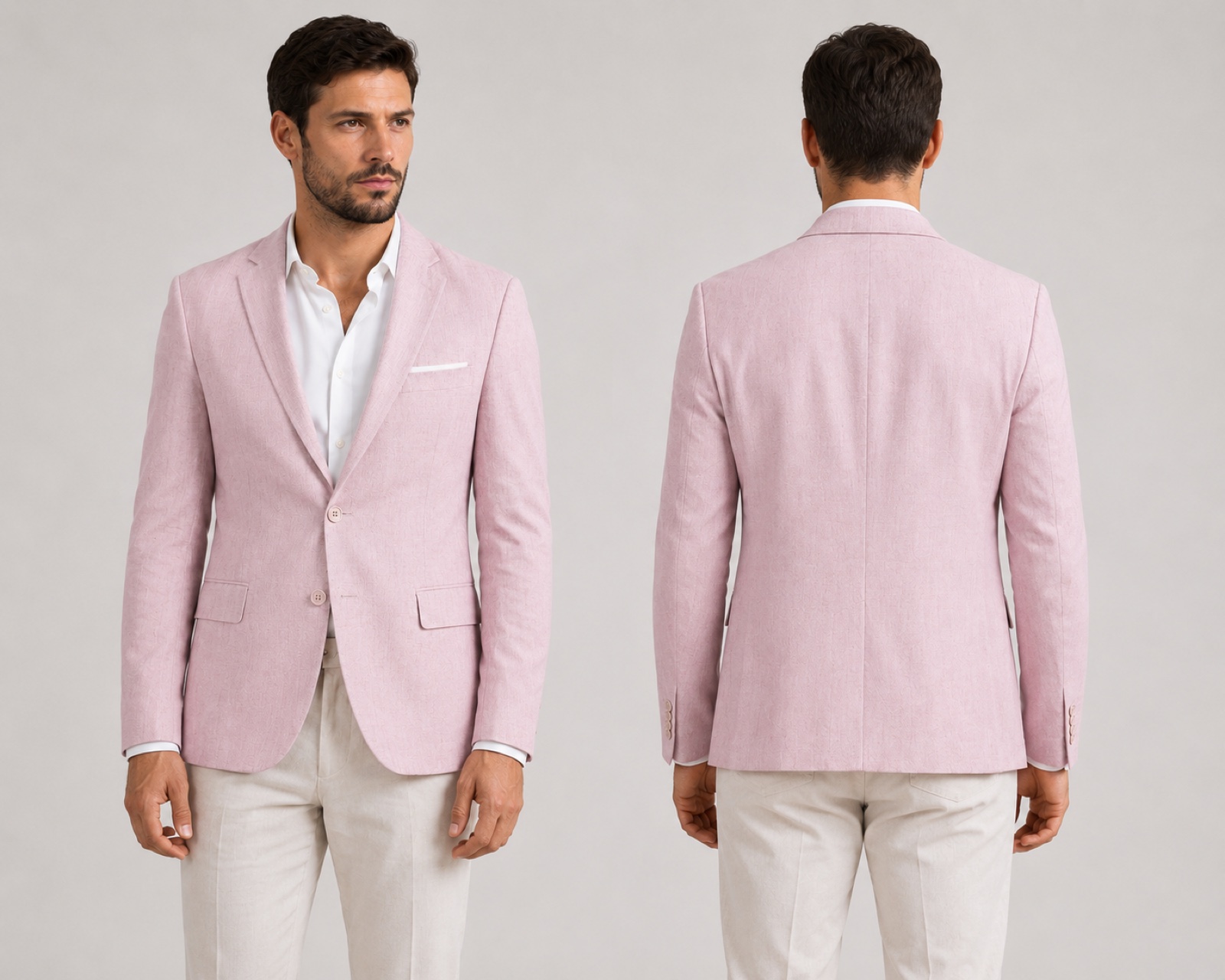
3. Keep components, colours, and size allocation connected
Formalwear programs often become inconsistent when jackets, trousers, vests, accessories, or replacement pieces are discussed as separate items. Build one order matrix that lists style, component scope, colour reference, size, quantity, destination, and group or sales-channel allocation. For named wearers, distinguish confirmed garment sizes from reserve units. For retail or rental ranges, distinguish core sizes from optional replenishment planning.
Do not treat a generic colour name as the final standard. The actual material reference and approved sample should control what is produced, inspected, packed, and reordered.
4. Approve finishing and presentation before bulk production
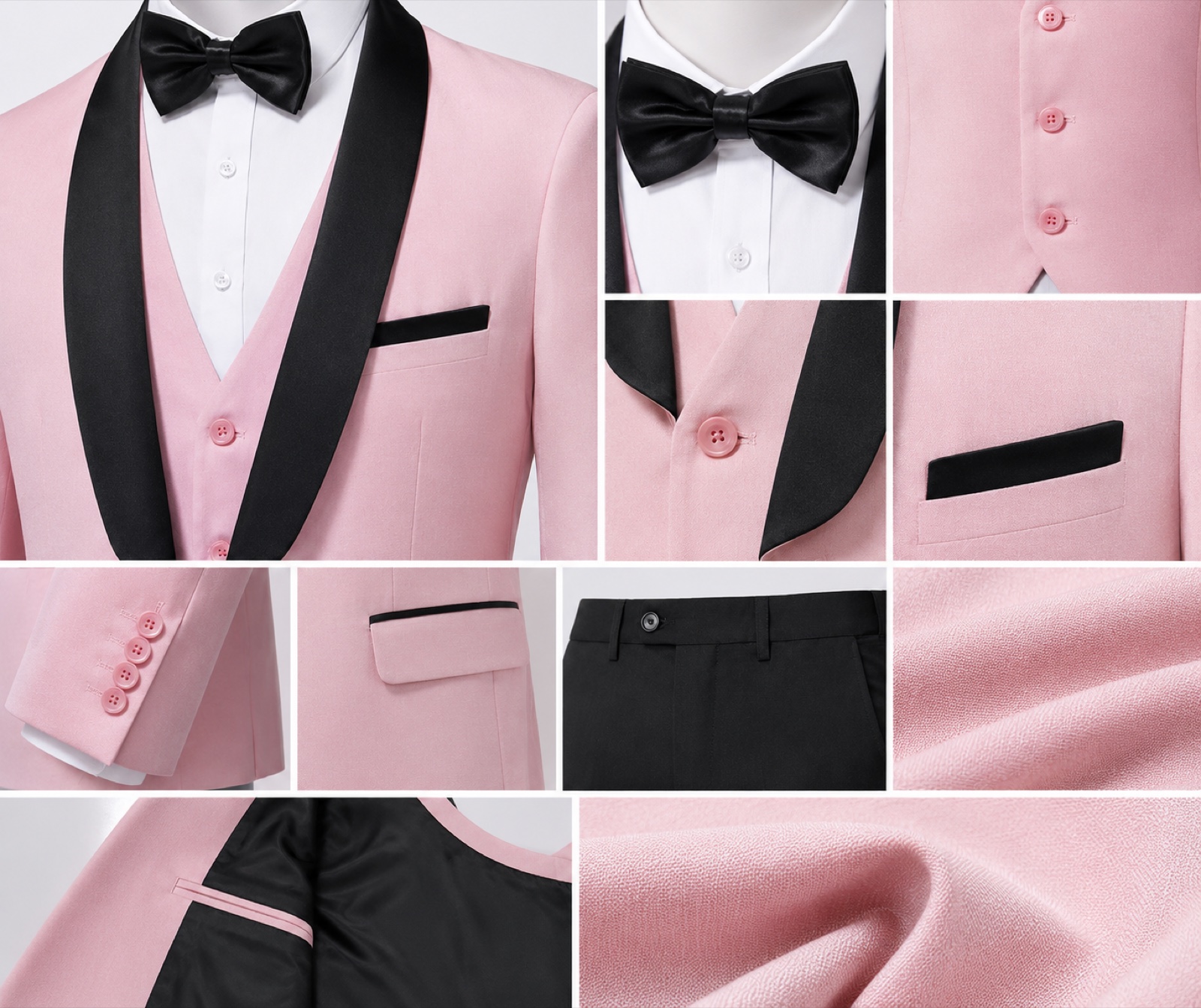
Before bulk production, review the complete visible standard: lapel facing, edge finish, pockets, buttons, pressing, trouser finish, lining, labels, and the way the coordinated components sit together. If garments will be issued by event, store, wearer, or rental location, state the packing logic early—such as garment covers, hangers, size labels, component pairing, carton marks, and packing lists.
5. Preserve a formalwear reorder record
Save the approved product reference, sample comments, measurement record, material and colour reference, component list, label artwork, packing direction, and inspection observations in one controlled file. This gives the next seasonal, event, or replenishment discussion a real standard rather than a historic photo.
Buyers can compare the wholesale tuxedo supplier guide, plan a prom tuxedo wholesale range, use the formalwear event supplier guide, or send a sourcing inquiry with a formalwear reference and the details they need confirmed.