
A school blazer supplier discussion should begin with the full wearing program, not only a blazer photo. Schools, academies, clubs, and institutional buyers often need consistent appearance, practical size coverage, color continuity, replacement planning, and clear packing records across many wearers.
MrSure supports B2B menswear buyers, sourcing partners, uniform programs, retailers, hospitality operators, and group businesswear projects. This guide helps institutional buyers prepare a clearer blazer brief before sampling, quotation, or bulk production.
1. Define the wearer group and program use
Start by identifying who will wear the blazer and how the order will be issued. A school uniform program, academy event program, club member blazer, staff blazer, retail institutional range, and annual replacement order may all need different planning.
Record the wearer age or size group, gender direction if relevant, intended season, location, expected appearance level, quantity range, and whether the order is a first program, yearly replenishment, or repeat from a previous standard. This makes the supplier discussion more practical than a general request for school blazers.
2. Set the appearance standard
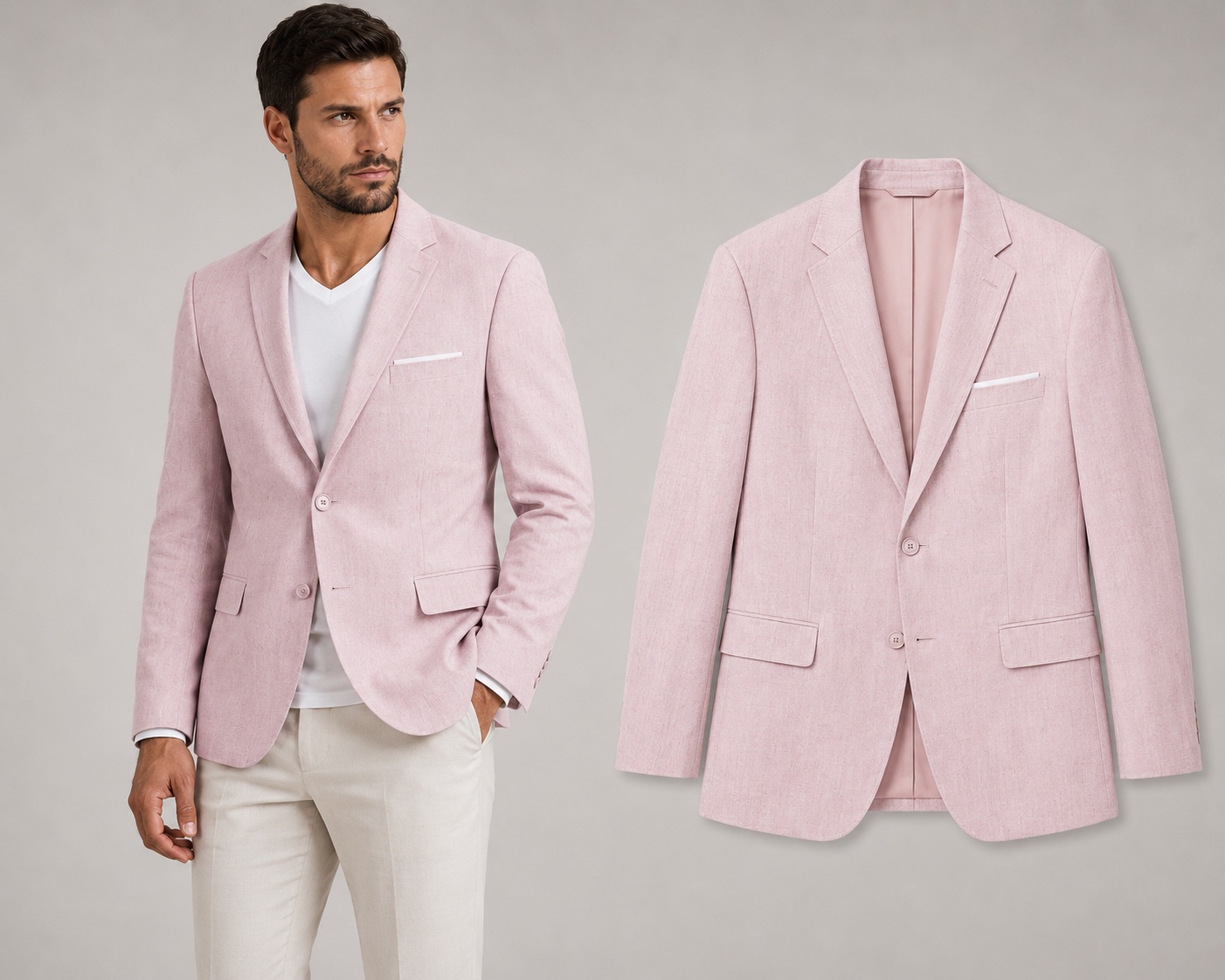
Institutional blazers need to look consistent across many people. The brief should define the blazer type, fit direction, lapel style, closure, pockets, vents, lining, shoulder direction, fabric reference, color standard, buttons, and acceptable presentation after pressing.
Avoid relying on words such as smart, classic, durable, or premium without supporting detail. Use a sample, measurement chart, fabric reference, and trim list as the controlled standard for bulk production.
3. Plan size coverage before ordering
Size planning is one of the most important parts of a school or institutional blazer order. Buyers should separate confirmed wearer sizes, forecast stock, exchange units, reserve stock, and later replacement needs.
A size matrix should list style, color, size, quantity, destination, and delivery priority. If the program includes a broad size range, identify which sizes need extra review before cutting and whether any measurements need different tolerances. The bulk suit size-ratio planning guide can help buyers avoid a total quantity that looks correct but does not match real wearer demand.

4. Control fabric, color, and trim references
Blazer programs can become difficult when fabric color, texture, buttons, lining, or labels change between orders. The buyer should identify which physical or digital reference controls approval and whether repeat orders need to match an earlier production lot.
If a specific school color, club color, or institutional shade is required, confirm how the color will be reviewed before bulk production. MrSure can discuss the garment standard when the buyer provides the fabric direction, color reference, size matrix, and sample approval path.
5. Confirm branding and identification details
Some programs may need main labels, size labels, care labels, hangtags, wearer labels, department labels, or carton marks. If crest, logo, or special branding is required, the artwork, placement, size, color, and approval responsibility should be confirmed before sampling or bulk production.
Do not treat branding as a final packing detail. Incorrect labels or late artwork changes can affect sample approval, production preparation, inspection, and receiving records.
6. Match packing to issue and replacement needs
Institutional blazer orders may be packed by size, class, location, wearer, department, store, or warehouse rule. Buyers should decide whether garments need hanging presentation, folded packing, garment covers, polybags, hangers, size stickers, carton marks, or individual issue labels.
7. Keep QC and reorder records together
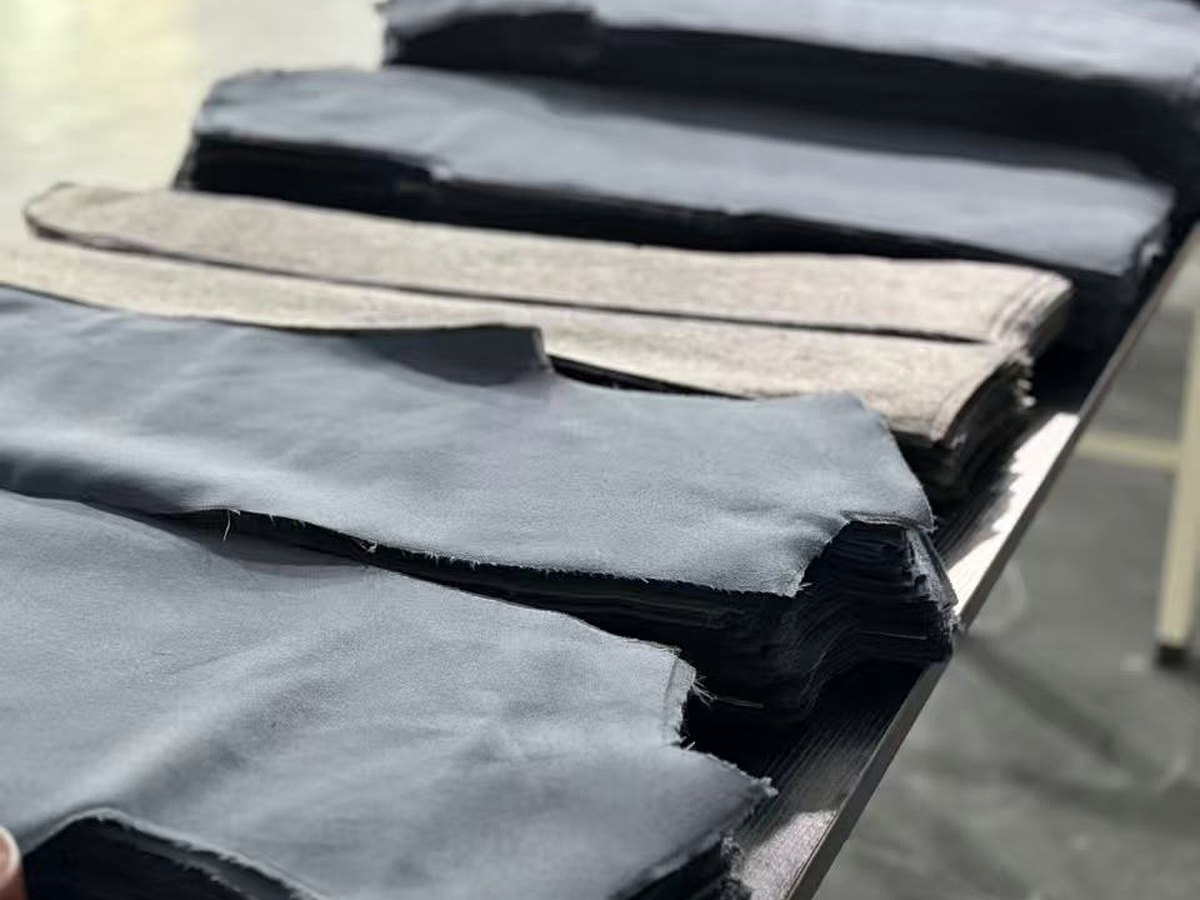
Inspection should compare finished goods with the approved sample, measurement chart, fabric reference, trim list, label files, and packing matrix. Buyers should record whether issues are corrected, accepted, sorted, or reinspected before shipment.
After delivery, keep the approved sample reference, measurements, size matrix, packing rules, QC notes, replacement quantities, and any wearer feedback. A controlled file makes yearly replenishment easier and reduces the risk of drifting away from the original program standard.
Buyers can review the MrSure wholesale menswear collection, the suit manufacturing process, or send a sourcing inquiry with a school blazer or institutional blazer brief. A useful supplier discussion connects appearance, size coverage, material control, labels, packing, inspection, and reorder continuity.
School uniform supplier checklist before appointment
- Confirm the blazer and coordinated garment scope, wearer groups, colours, emblems, labels, and approved product references.
- Identify who owns the measurement chart, fitting method, size data, issue record, and correction process.
- Record the sample purpose, approver, open points, and evidence required before bulk release.
- Verify who controls materials, production, inspection, packing, corrective action, and shipment release.
- Define how firm orders, site allocations, late joiners, replacements, returns, and reorders are authorised.
- Match unit labels, size identification, cartons, and packing lists to the school's receiving and issue process.
- Use written change control when artwork, colour, size range, destination, or product construction changes.
For a multi-term or multi-site programme, connect this product checklist to the uniform supply contract management guide. It adds responsibilities, call-off controls, receiving records, service review, and programme-exit planning without assuming one universal legal or commercial agreement.