
Private-label suit MOQ is not only a number on a quotation. It depends on whether the buyer is ordering regular available goods, changing fabric or colour, adding brand labels, requesting custom packaging, or developing a new product standard.
For menswear brands, Amazon sellers, boutique retailers, and sourcing partners, the productive question is not only “what is the MOQ?” It is “which part of the program creates the minimum?” That distinction helps a buyer prepare a quote request that can be reviewed accurately.
1. Separate regular goods from custom production
For regular available products, the minimum can be more flexible because the product standard already exists. For customized or OEM production, the practical MOQ is usually linked to fabric, colour, size range, trims, labels, and production setup.
For MrSure custom/OEM programs, a planning reference is 300 units in the same colour, with the buyer able to arrange the size mix within that colour. The final requirement still needs confirmation against the selected fabric, product construction, branding, and packing scope.
2. Confirm label requirements before sampling
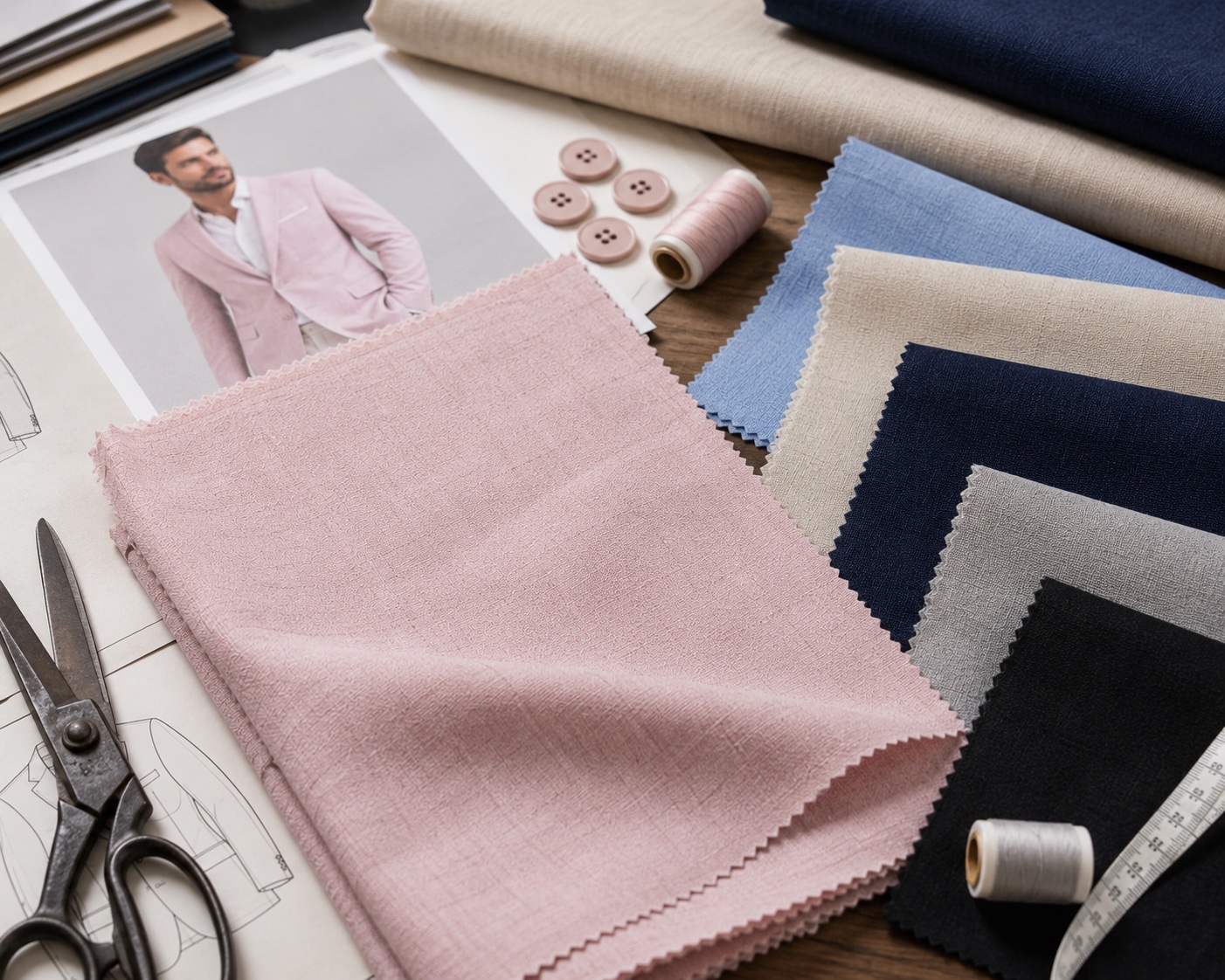
Private-label work may include neck labels, size labels, care labels, hangtags, barcode stickers, buttons, lining details, garment covers, or carton marks. Each item should have artwork, dimensions, colour, material, placement, and an identified approval person before sample development starts.
3. Review packaging as a cost driver
Simple garment bags are normally easier to quote than custom boxes, but both need clear requirements. Box structure, printing, size, material, inner protection, carton packing, and barcode rules can all affect cost and lead time.
The buyer should separate what is mandatory for the first launch from what can be added later. A clear packaging brief lets the supplier distinguish standard packing from custom components instead of hiding those choices inside one unit-price estimate.
4. Connect MOQ with fabric and colour planning
Fabric availability affects the practical minimum. Some materials offer a wider available colour range, while wool or wool-blend directions can have fewer colours or stronger sourcing constraints. Confirm whether sizes can be mixed within one colour, how many colours are planned, and whether each colour needs its own fabric and trim allocation.
5. Build records for repeat orders
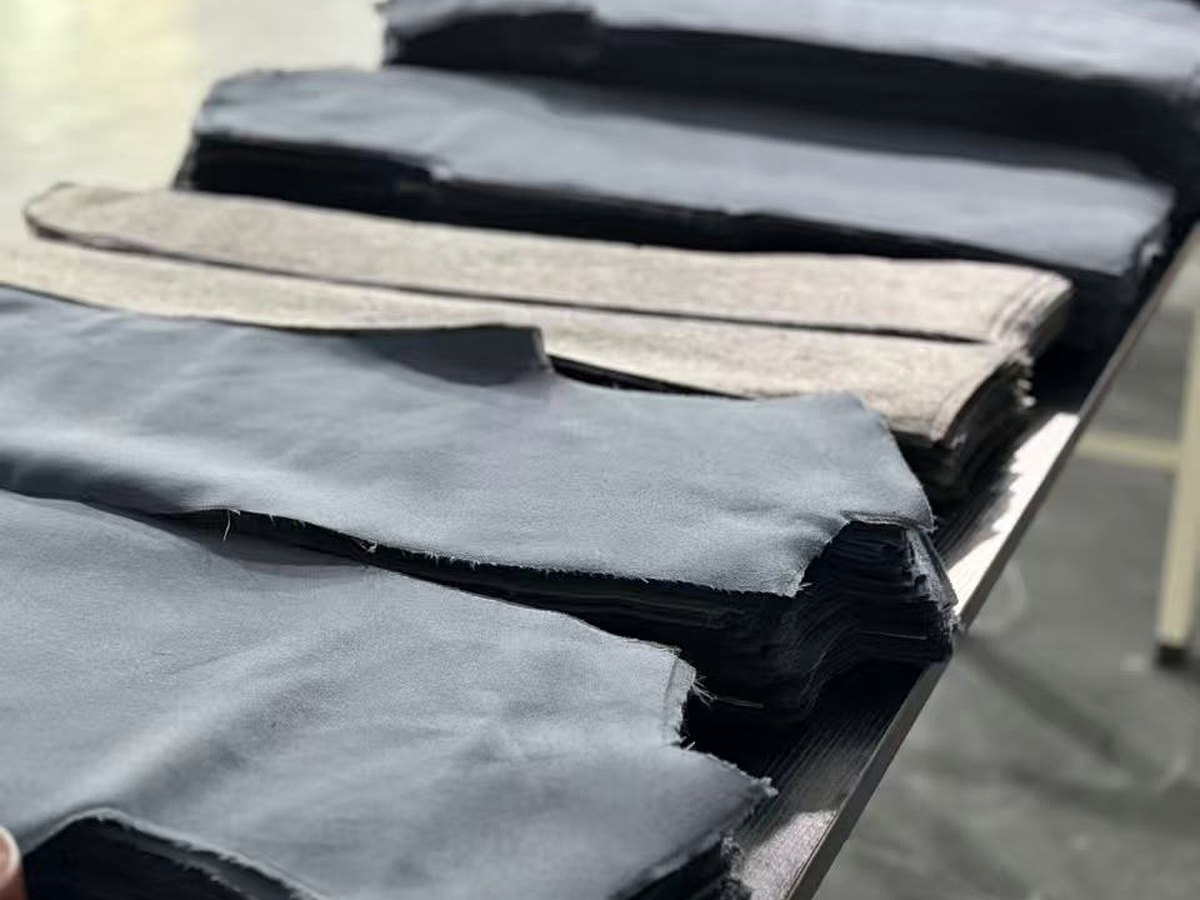
The first private-label order should create a usable production file: the approved sample, fabric reference, label artwork, packaging file, measurement chart, size matrix, QC proof, and accepted changes. This is what makes a later reorder easier to quote and reproduce consistently.
Buyers can review the private-label suit supplier checklist, plan suit MOQ questions, check suit packaging requirements, or send a sourcing inquiry with their brand requirements.