
An online menswear brand suit supplier needs more than a reference image before it can support a repeatable product. Ecommerce buyers need product standards that can be sampled, photographed, described, measured, packed, inspected, and reordered with consistency.
MrSure supports online menswear brands, DTC suit programs, Amazon sellers, retail buyers, sourcing partners, and private-label menswear projects. This guide helps online buying teams prepare clearer suit standards before requesting samples or bulk production.
1. Define the sellable product
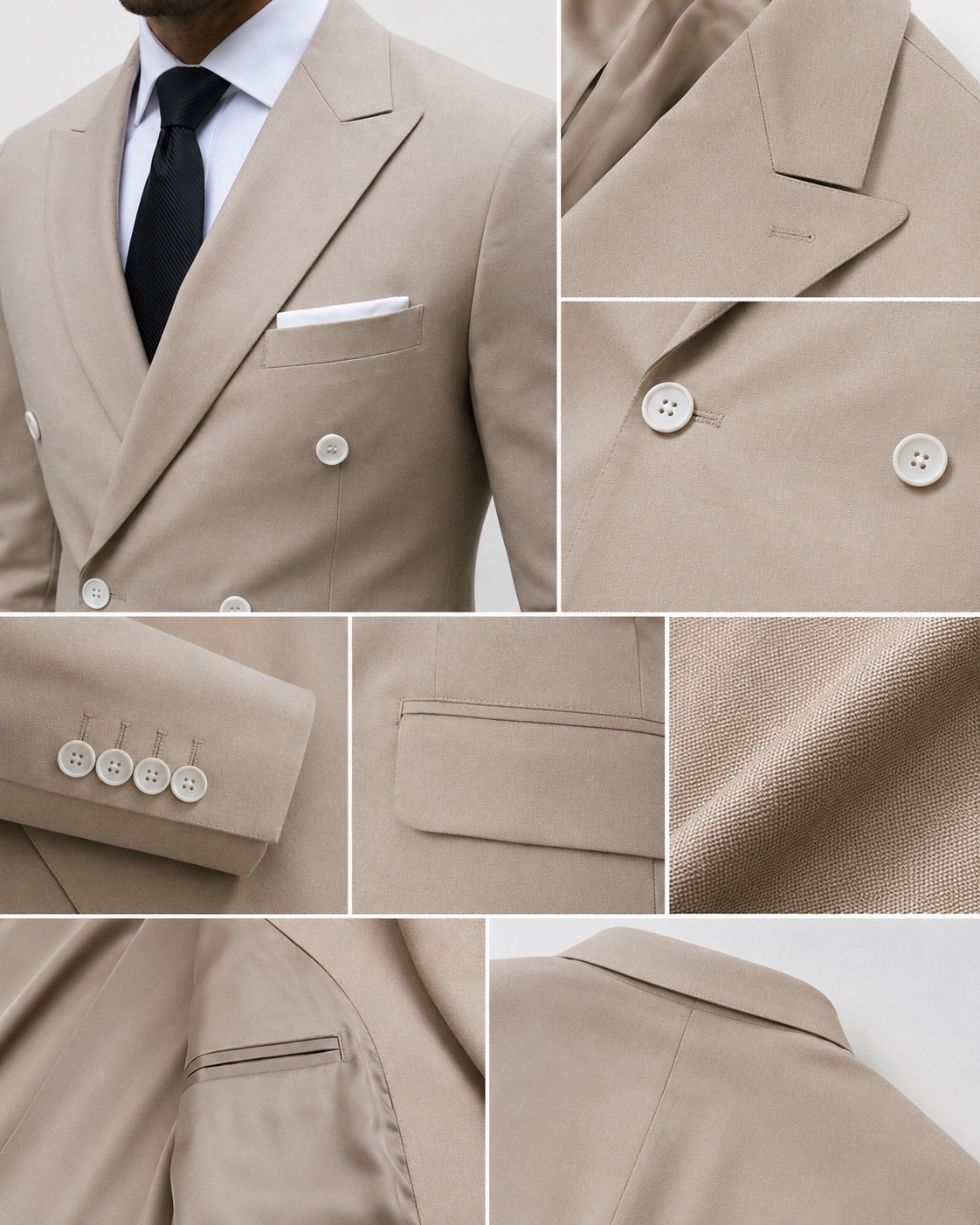
Start by identifying exactly what the customer will buy: two-piece suit, three-piece suit, blazer only, trousers only, tuxedo set, or a coordinated formalwear item. Record the jacket, trousers, vest, accessories, hanger, garment cover, packaging, and any private-label element.
Online product pages are sensitive to small differences. The supplier should know which details must match the sample, which details are flexible, and which details will appear in photography or product descriptions.
2. Turn style direction into a controlled standard
The brief should define fit, construction, lapel, closure, pocket style, vents, lining, buttons, trouser front, waistband, fabric direction, colour reference, labels, hangtags, and packing method. Avoid relying only on words such as slim, premium, comfortable, or business style.
Buyers can review the retail suit manufacturer buying brief for a broader retail planning structure. Online programs need the same control, with extra attention to product data and photo consistency.
3. Prepare measurement and size information
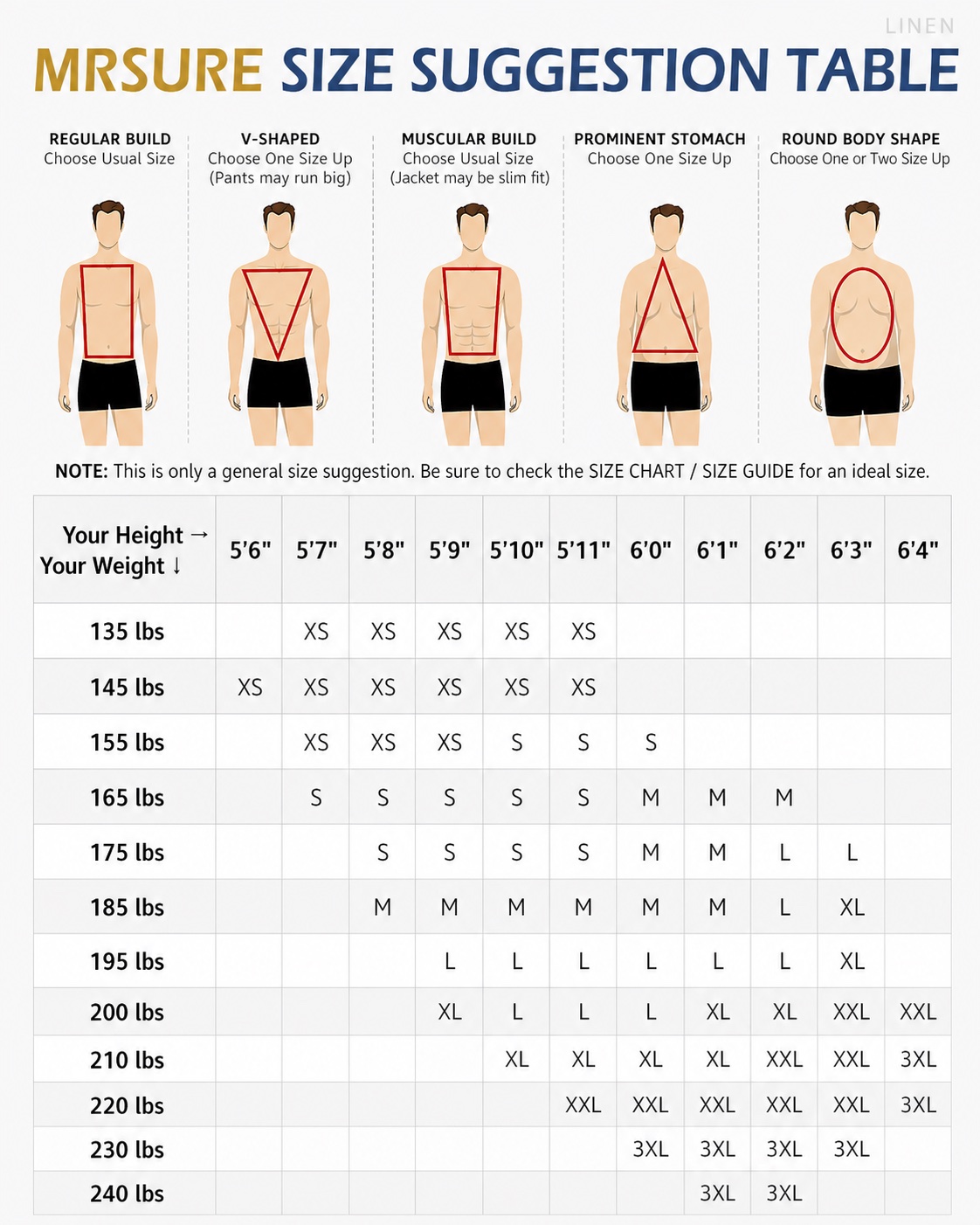
Online buyers should prepare a measurement chart with points of measure, grading rules, tolerances, and fit notes. If a size suggestion table, model information, or fit guidance will be used on the product page, the production standard should not contradict it.
The goal is not to promise that returns will disappear. The goal is to make the approved sample, measurements, product copy, and customer-facing size information consistent with each other.
4. Plan photography and content requirements
Online menswear brands often need front, back, detail, fabric, lining, pocket, button, trouser, size, and packaging images. If photo samples are needed before bulk production, state this early because the sample may need cleaner finishing, approved trims, or final labels.
The supplier should know whether images are only for internal approval or for live product listings. Listing-ready samples may require stricter control than a rough development sample.
5. Confirm labels, branding, and packaging
Private-label online programs may need neck labels, care labels, size labels, hangtags, barcode labels, branded bags, carton marks, or custom packaging. Each item should have approved artwork, dimensions, material direction, placement, and responsible approver.
Packaging should match the fulfillment process. Folded presentation, garment covers, polybags, hanger rules, carton assortment, and SKU labels can affect warehouse receiving and customer presentation.
6. Define QC evidence before goods leave the factory
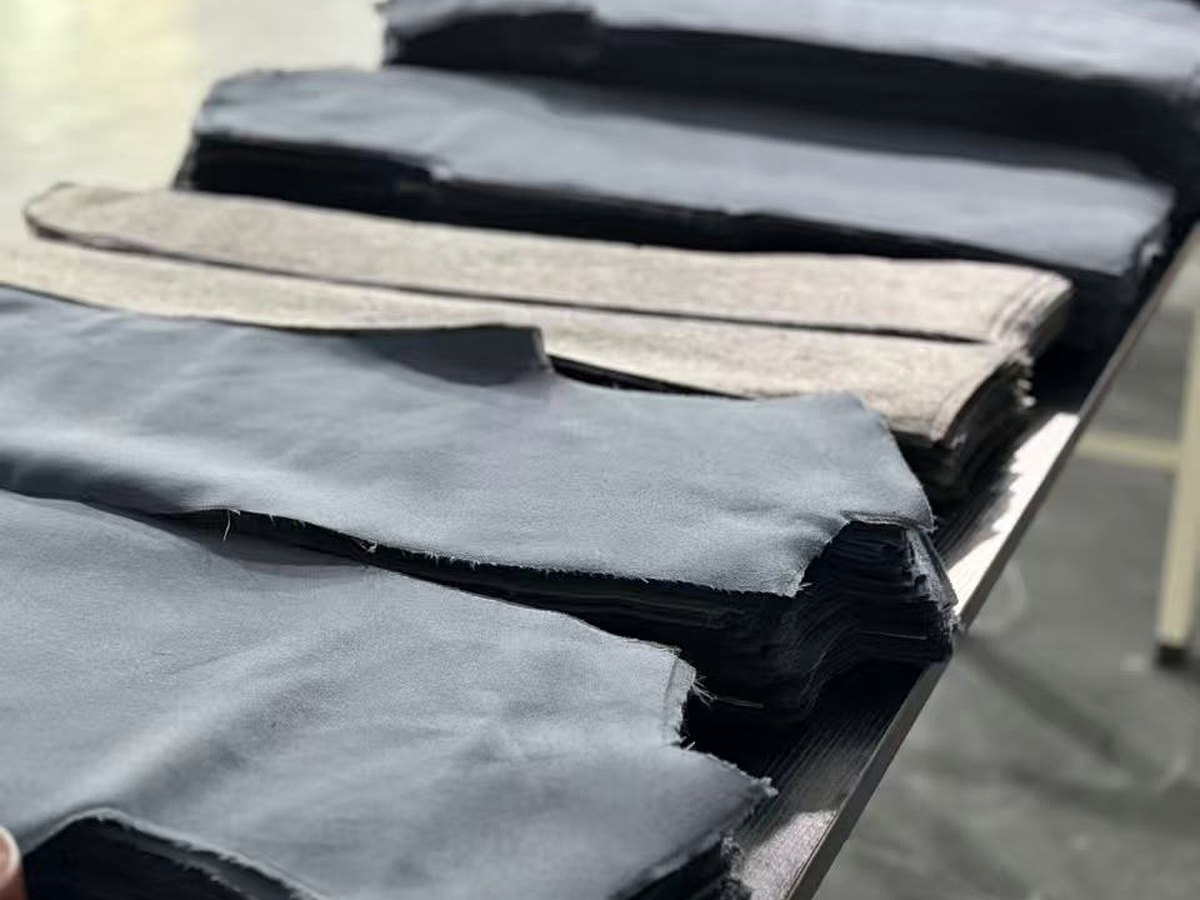
Quality control should compare finished goods with the approved sample, measurement chart, material reference, label files, product photo standard, packing method, and order matrix. Buyers should decide whether they need appearance photos, measurement records, packing photos, label photos, or carton allocation checks.
If a change is accepted during production, record it clearly so the next reorder does not accidentally return to the old version.
7. Preserve records for replenishment
Online brands need continuity. Reorders are easier when the final sample, measurement chart, product images, listing notes, fabric reference, label files, packaging rules, QC evidence, and accepted changes are kept together.
This record also helps the buyer compare future quotations because the supplier is pricing the same controlled product, not a different interpretation of the same listing photo.
Online menswear supplier checklist
- Sellable product scope and included components
- Fit, construction, fabric, colour, lining, trims, and labels
- Measurement chart, size notes, grading, and tolerances
- Product photography requirements and sample purpose
- Private-label files, barcode needs, packaging, and carton marks
- QC evidence, accepted changes, reorder files, and replenishment rules
Buyers can review the MrSure wholesale collection, the Amazon seller suit product-data guide, the suit size chart manufacturer guide, the private-label suit supplier guide, or send a sourcing inquiry with an online menswear product standard. A clear standard helps both sides discuss samples, price, production, inspection, and reorders without guessing what the product page needs to prove.