
A hospitality uniform suit manufacturer can only prepare a useful proposal when the buyer explains how each staff group will wear, approve, issue, maintain, and reorder the garments. A hotel, resort, restaurant, or venue program may include similar suit pieces, but the operating needs behind each role can be different.
MrSure supports B2B menswear buyers, hospitality operators, trading partners, retail buyers, and group uniform programs. This guide helps hospitality procurement teams prepare a clearer uniform suit brief before sampling or quotation.

1. Separate staff roles before sampling
Start by listing the wearer groups that need the uniform. Front desk, concierge, restaurant, banquet, sales, events, management, security, and guest-service teams may need related but different garments. Record whether each role needs a suit, blazer, trousers, vest, shirt, tie, bow tie, or accessory.
Role mapping prevents one sample from being stretched across every department. It also helps the supplier understand movement needs, visual hierarchy, fabric direction, colour logic, and packing method.
2. Define the hospitality appearance standard
Hospitality uniforms need to look coordinated across many people and many shifts. The brief should define fit direction, jacket length, trouser shape, lapel style, lining, buttons, colour reference, fabric direction, labels, and acceptable presentation after pressing.
Avoid broad words such as elegant, comfortable, premium, or durable without supporting detail. The approved sample, measurement chart, fabric reference, trim list, and packing standard should become the production record.
3. Build a practical size and issue plan
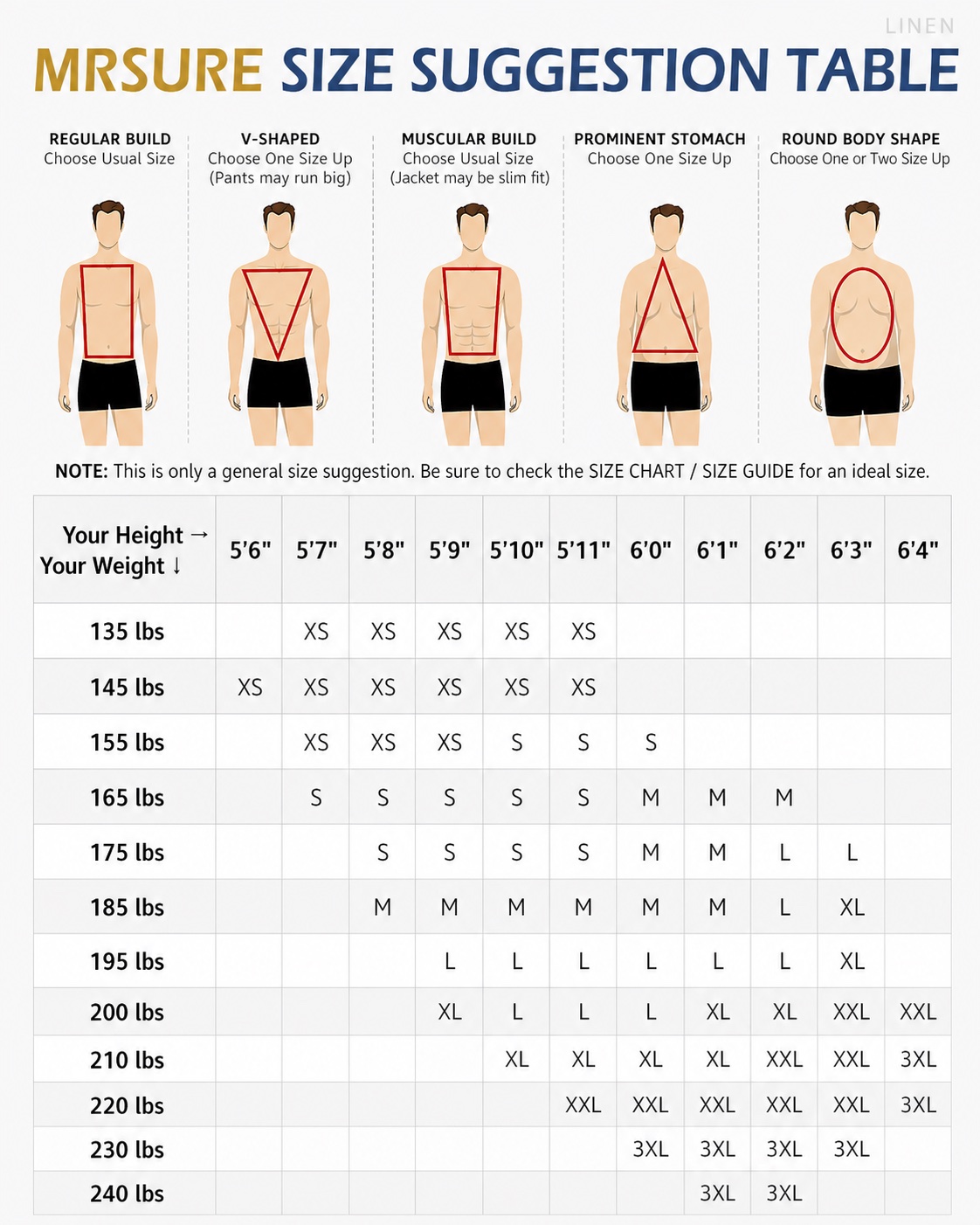
Hospitality staff programs should use actual wearer data when possible. A generic size curve may not match front desk teams, restaurant teams, or management groups. Buyers should separate named-person sizing, department stock, reserve units, and replacement quantities.
The hotel uniform suit supplier brief explains how role needs, wearer comfort, and replacement planning can be prepared before sampling.
4. Confirm branding, labels, and packing
Hospitality orders may need size labels, care labels, department labels, wearer labels, garment covers, polybags, carton marks, or location packing. These details should be confirmed before production finishes, not after the goods are ready to ship.
Packing by role, wearer, department, or property can reduce sorting work after delivery. It also gives the buyer cleaner records for future replenishment.

5. Define QC evidence before shipment
Quality control should compare finished goods with the approved sample, measurement chart, material reference, label files, and packing matrix. Buyers should decide what evidence they need, such as measurement records, appearance photos, pressing checks, packing photos, or carton allocation checks.
The staff businesswear supplier guide can help procurement teams connect daily use, wearer comfort, garment issue, and replacement rules.
6. Keep replacement records
Hospitality programs change when new staff join, departments expand, properties refresh their appearance, or garments need replacement. Reorders are easier when approved samples, size records, issue records, QC notes, label files, and packing rules stay together.
Buyers can review the MrSure wholesale menswear collection, the suit manufacturing process, or send a sourcing inquiry with a hospitality uniform suit brief. A useful manufacturer discussion should connect staff roles with product standards, approval control, packing, inspection, and replacement continuity.
What should a hospitality buyer send first?
A useful first enquiry should identify the property or venue type, wearer roles, garment components, approximate quantity by role, size-data status, climate or working environment, preferred appearance, branding needs, destination, and target in-use date. If some details remain open, label them as decisions for sampling instead of presenting them as confirmed requirements.
For a multi-location or repeat program, uniform supply contract management should also define who approves samples, who owns the size and issue records, how replacement units are requested, and which product changes require a new approval. The menswear supplier guide for uniform programs provides the broader procurement framework, while the bulk suit quality inspection checklist helps buyers specify the evidence needed before shipment.