
A formalwear supplier for events has to work backward from the event date, not only from a product image. Event buyers, wedding businesses, formalwear retailers, and group occasion planners need suits or tuxedos that can be sampled, approved, fitted, packed, inspected, and delivered before a fixed deadline.
MrSure supports B2B menswear buyers, sourcing partners, retailers, event suppliers, wedding programs, hospitality operators, and group formalwear projects. This guide helps buyers prepare a clearer formalwear brief before requesting samples, prices, or production timing.
1. Start from the event date
The buyer should share the event date, fitting date, alteration window, delivery destination, and the date when goods must be ready for distribution. A final event date alone is not enough because the garments often need time for issue, fitting, exchange, or photography preparation.
Lead-time discussions should separate sample development, material confirmation, order approval, production, inspection, packing, export, international transport, customs, and local delivery.
2. Define the group and wearer plan
Some event formalwear orders are for named wearers. Others are for retail stock, rental stock, hospitality teams, ceremonies, or group occasions. Named-person orders need individual size records and a correction plan. Stock orders need a realistic size ratio and reserve units.
The order matrix should list style, color, size, quantity, wearer group, destination, and delivery priority. Buyers can review the wedding suit bulk supplier guide for related group-order planning.
3. Control the formalwear appearance standard
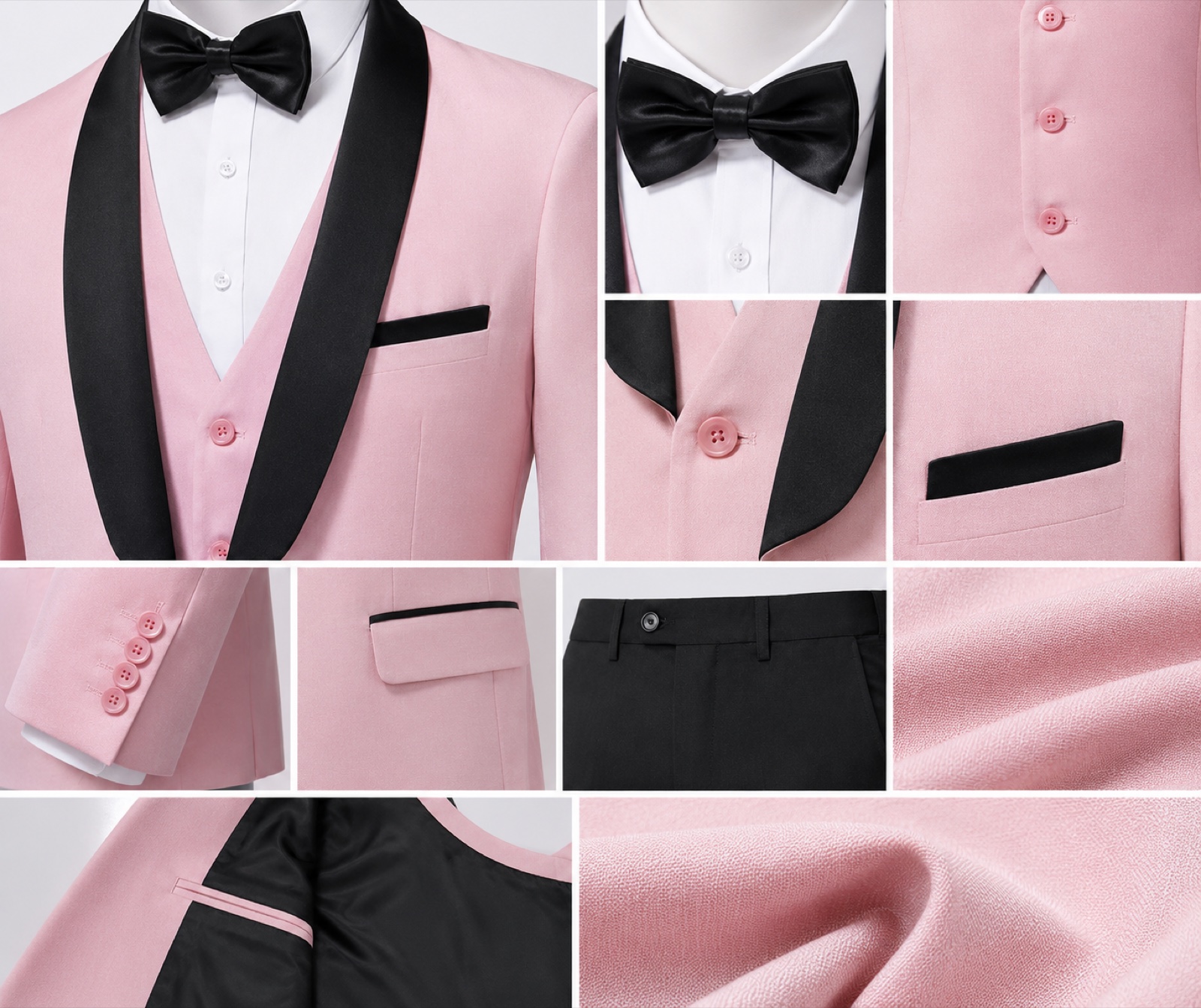
Formalwear details can change the whole impression of the product. The brief should define jacket type, lapel style, closure, trouser direction, vest or accessory scope, fabric direction, lining, button style, color reference, pressing standard, and acceptable presentation.
Buyers can review the wholesale tuxedo supplier guide, use the shawl lapel tuxedo supplier brief when lapel direction needs a more detailed review, plan a prom tuxedo wholesale range, or view the MrSure wholesale collection as starting references. The final standard should be controlled by an approved sample and specification, not only by a website photo.
4. Confirm fabric, color, and component matching
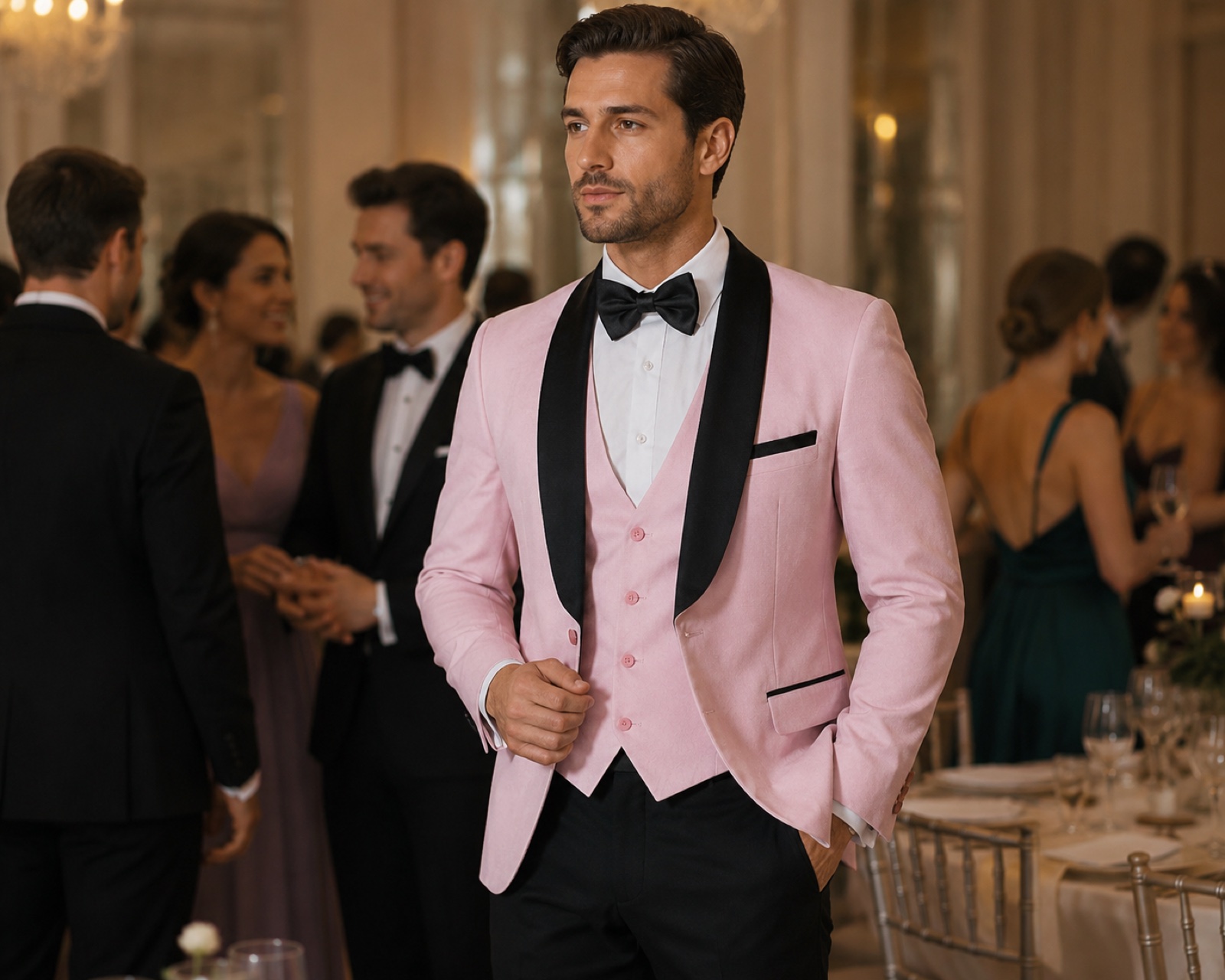
Event formalwear often needs visual consistency across jackets, trousers, vests, shirts, ties, bow ties, and other accessories. The buyer should confirm which items are included in the order and which color or fabric reference controls approval.
If photography, stage lighting, or group presentation matters, confirm the color standard early. Digital photos help communication, but physical references or approved samples are still important when color, shine, texture, or matching components matter.
5. Plan labels, packing, and issue rules
Event orders may need packing by wearer, size, role, group, store, rental unit, venue, or warehouse rule. Confirm whether garments need polybags, garment covers, hangers, size stickers, wearer labels, carton marks, packing lists, or accessory pairing.
Clear packing reduces sorting pressure close to the event date. It also helps the buyer track exchanges, replacement units, or later replenishment.
6. Build a sample and correction path
The first sample should prove the points that matter: fit, measurements, fabric, color, lapel, trousers, vest, accessories, pressing, labels, and packing. Record comments by version and identify who can approve the final standard.
Group orders should also have a correction plan. This may include reserve quantities, size exchanges, alteration timing, or replacement decisions. The plan should be realistic and agreed before production begins.
7. Define QC and shipment readiness
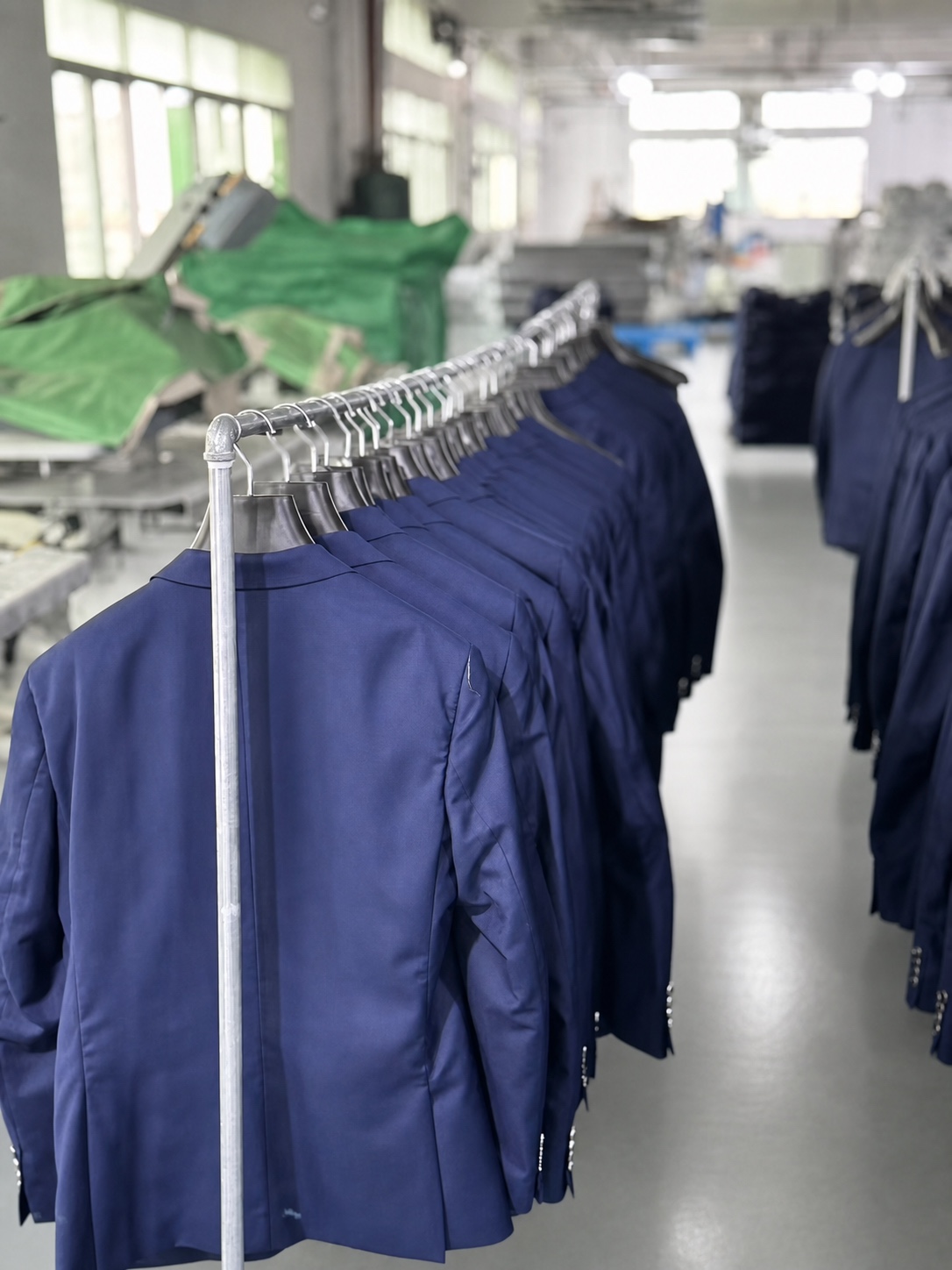
Before shipment, inspection should compare finished goods with the approved sample, measurement chart, material reference, order matrix, label files, accessory list, and packing instructions. Buyers should decide what evidence they need, such as appearance photos, measurement records, packing photos, carton allocation checks, or issue-list confirmation.
Shipment readiness should include production completion, packing records, export documents, and clear responsibility for freight and customs arrangements.
Formalwear event sourcing checklist
- Event date, fitting date, delivery date, destination, and approval schedule
- Wearer list, size matrix, reserve units, exchange plan, and role groups
- Jacket, trousers, vest, accessories, fabric, color, and trim standard
- Sample approval comments, measurement chart, and final sign-off authority
- Labels, packing by wearer or group, carton marks, and issue records
- QC evidence, packing photos, release rules, and shipment responsibility
- Reorder or replacement records after the event
Buyers can review the suit manufacturing process, the wedding suit bulk supplier guide, the tuxedo rental supplier programme checklist when inventory will be issued and returned, or send a sourcing inquiry with a formalwear event brief. A strong brief helps the supplier discuss pricing, sampling, production, packing, and delivery without guessing the deadline and fit risks behind the order.