
A club blazer supplier discussion should begin with the club program standard, not only a blazer image. Clubs, associations, teams, member organisations, and event groups often need a blazer that looks consistent across many wearers and can be reordered without drifting away from the approved colour, fit, trim, and label details.
MrSure supports B2B menswear buyers, sourcing partners, retail programs, hospitality operators, corporate teams, and group businesswear projects. This guide helps club blazer buyers prepare a clearer brief before sampling, quotation, or bulk production.
1. Define the club program before choosing a blazer
Start by explaining how the blazer will be used. A members-only club blazer, team travel blazer, association event blazer, hospitality club uniform, retail club capsule, and annual replenishment program can all require different planning.
Record the wearer group, expected quantity range, gender or size direction if relevant, sales or issue model, season, destination, event timing, and whether the order must match a previous standard. This context helps the supplier respond with practical questions instead of a generic blazer quote.
2. Make the colour standard visible
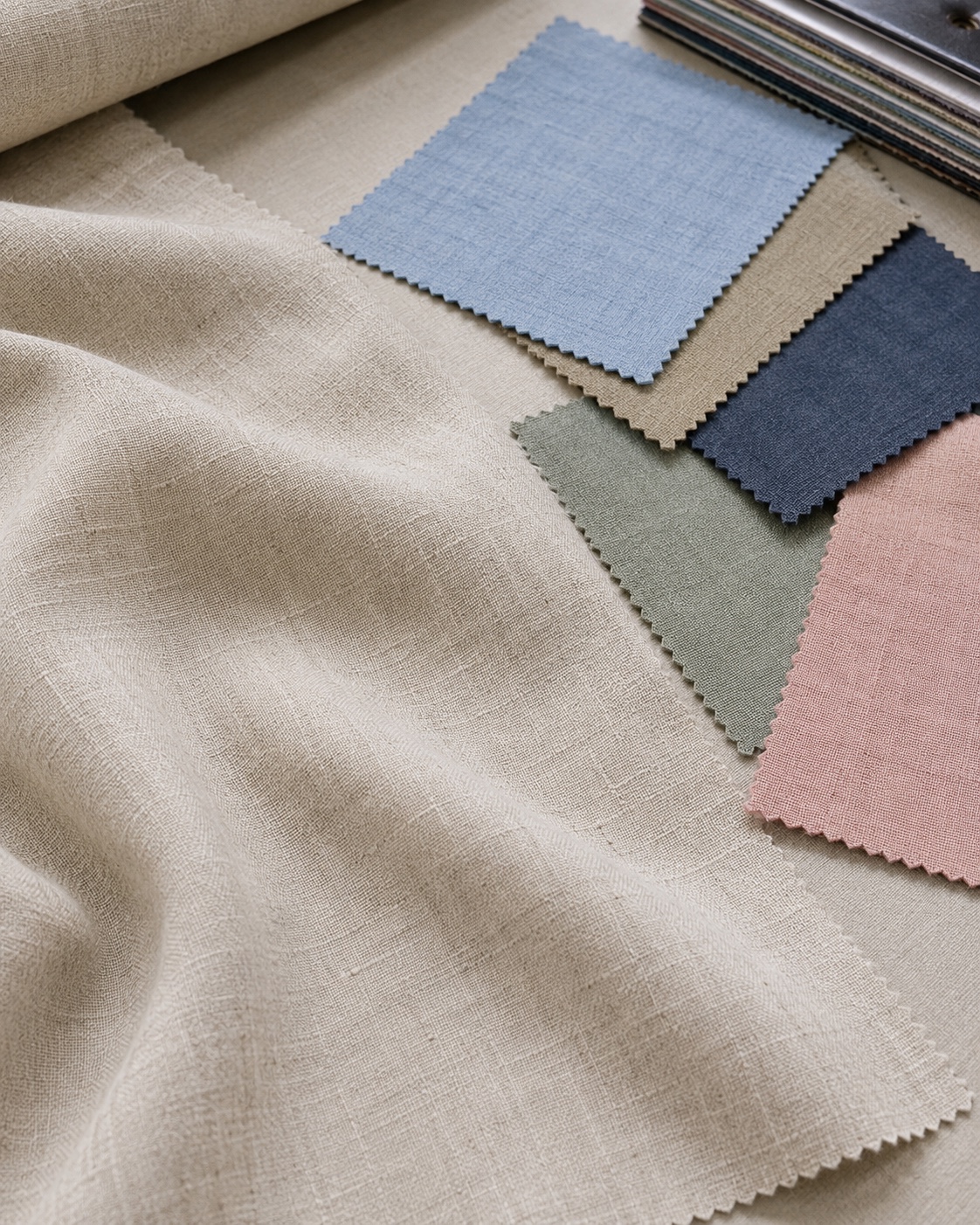
Club colours should be controlled with references. Buyers should prepare a fabric swatch, Pantone direction, previous garment, approved digital reference, or physical sample when a specific shade matters. The brief should also state whether repeat orders need to match an earlier production lot or only stay within an acceptable family of colour.
Words such as navy, burgundy, forest green, cream, or royal blue can mean different things across fabric types and lighting conditions. A controlled reference reduces the risk of approving one shade during sampling and receiving a different impression in bulk.
3. Confirm the blazer construction and trim list
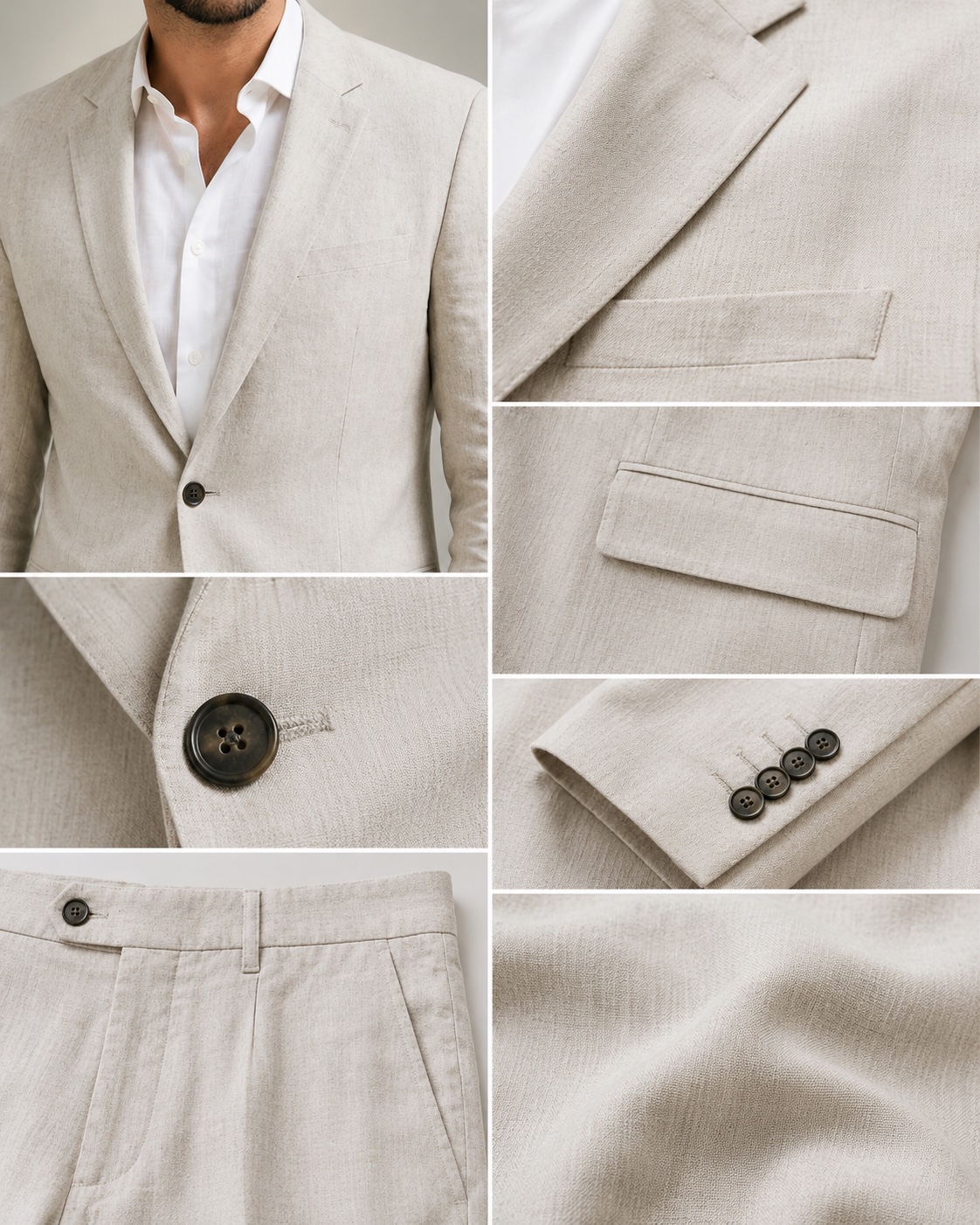
The buyer should define the blazer type, closure, lapel, pocket style, vents, lining, shoulder direction, buttons, thread, interlining direction, and presentation requirement after pressing. If the blazer is part of a formal club program, these details matter as much as the outside colour.
Buyers can review a linen-look business blazer, a lightweight two-piece suit, or the broader MrSure wholesale menswear collection as starting references. The final club blazer standard should still be documented in a product specification, not left to the product photo alone.
4. Prepare labels and branding files early
Club blazer programs may require main labels, size labels, care and composition labels, hangtags, member identification, inner pocket labels, carton marks, or other brand elements. Each file should include artwork, dimensions, colour, material direction, placement, language, and approval responsibility.
If a crest, logo, or member identity is involved, the buyer should confirm usage rights and artwork quality before production planning. Treat branding as part of the sample approval process, not as a last-minute packing detail.
5. Build a member size and order matrix
Club programs often combine confirmed member sizes with reserve stock for new members, exchanges, events, or later replenishment. A useful order matrix should separate style, colour, size, quantity, destination, delivery priority, and any wearer or department allocation.
The bulk suit size-ratio planning guide can help buyers avoid having enough total units but the wrong size coverage. For club blazers, reserve units are especially important when the program needs continuity across more than one season.
6. Match packing to the issue method
Packing should follow how the buyer will receive and distribute the goods. Some orders need packing by size, member, chapter, club location, retail SKU, warehouse rule, or event group. The brief should confirm whether garments are shipped hanging or folded, with garment covers, polybags, hangers, size stickers, carton marks, or individual issue labels.
Clear packing records reduce sorting work after delivery and give the buyer a cleaner base for future reorders.
7. Keep approval and reorder records together
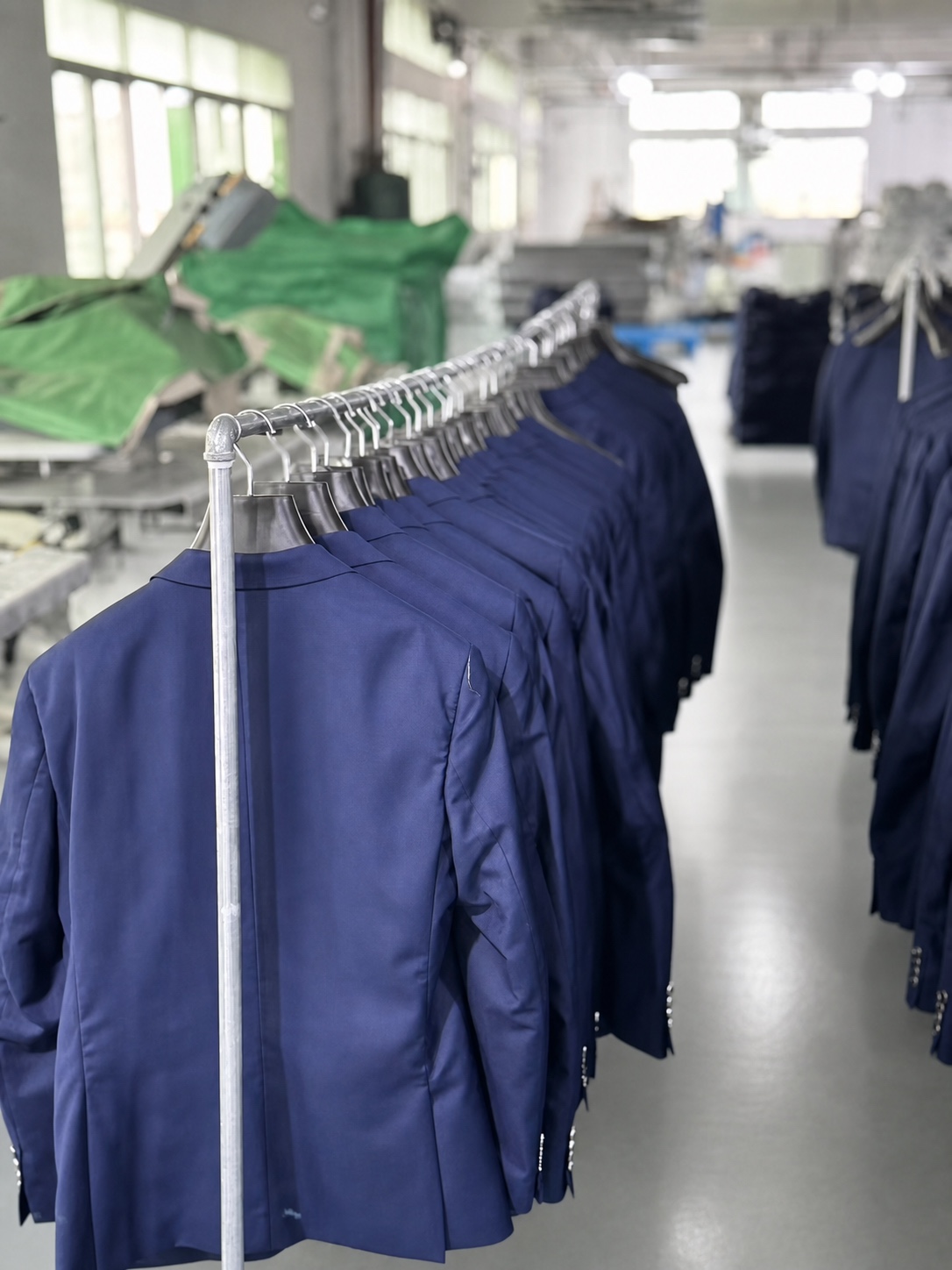
Inspection should compare finished blazers with the approved sample, measurement chart, fabric reference, trim list, label files, order matrix, and packing instructions. After shipment, keep these records with QC notes, size feedback, accepted changes, and reorder quantities.
Club blazer programs become easier to repeat when the supplier and buyer can return to one controlled file instead of reconstructing the standard from memory.
Club blazer brief checklist
- Club use case, wearer group, order model, destination, and timing
- Blazer construction, fit direction, lapel, pockets, vents, and lining
- Colour standard, fabric reference, buttons, trims, and thread
- Size matrix, reserve units, exchange plan, and reorder expectation
- Labels, branding files, artwork approvals, and placement notes
- Packing method, carton marks, issue rules, and receiving needs
- Approved sample, QC notes, accepted changes, and reorder records
Buyers can review the wholesale blazer supplier guide, the school blazer supplier guide, the suit manufacturing process, or send a sourcing inquiry with a draft club blazer brief. A useful supplier conversation connects colour, construction, sizing, labels, packing, inspection, and reorder continuity before production begins.