
A bulk suit order should be planned with a clear size and colour matrix before the buyer compares prices. The same total quantity can create different production costs when the order includes many colours, wide size ranges, custom fabric, labels, or special packing.
For wholesale buyers, Amazon sellers, retail stores, uniform program buyers, and sourcing teams, the most useful starting point is a practical order table. It should show style, colour, size, quantity, and intended delivery needs before final quotation.
1. Separate available goods from custom production
Available stock-supported products can often be discussed with more flexible size and colour combinations. Customized production usually needs clearer rules by colour, fabric, style, and order quantity because material purchase and line setup become part of the cost.
For MrSure custom or OEM suit programs, a practical planning reference is 300 pieces in the same colour, with sizes mixed within that colour. Final details still depend on the selected fabric, product construction, branding, packaging, and production plan.
2. Build the size matrix early
The buyer should list style, colour, size, quantity, destination, and reserve needs before asking for final pricing. Retail stores may use sales history, while uniform or group programs may use wearer measurements or confirmed garment sizes.
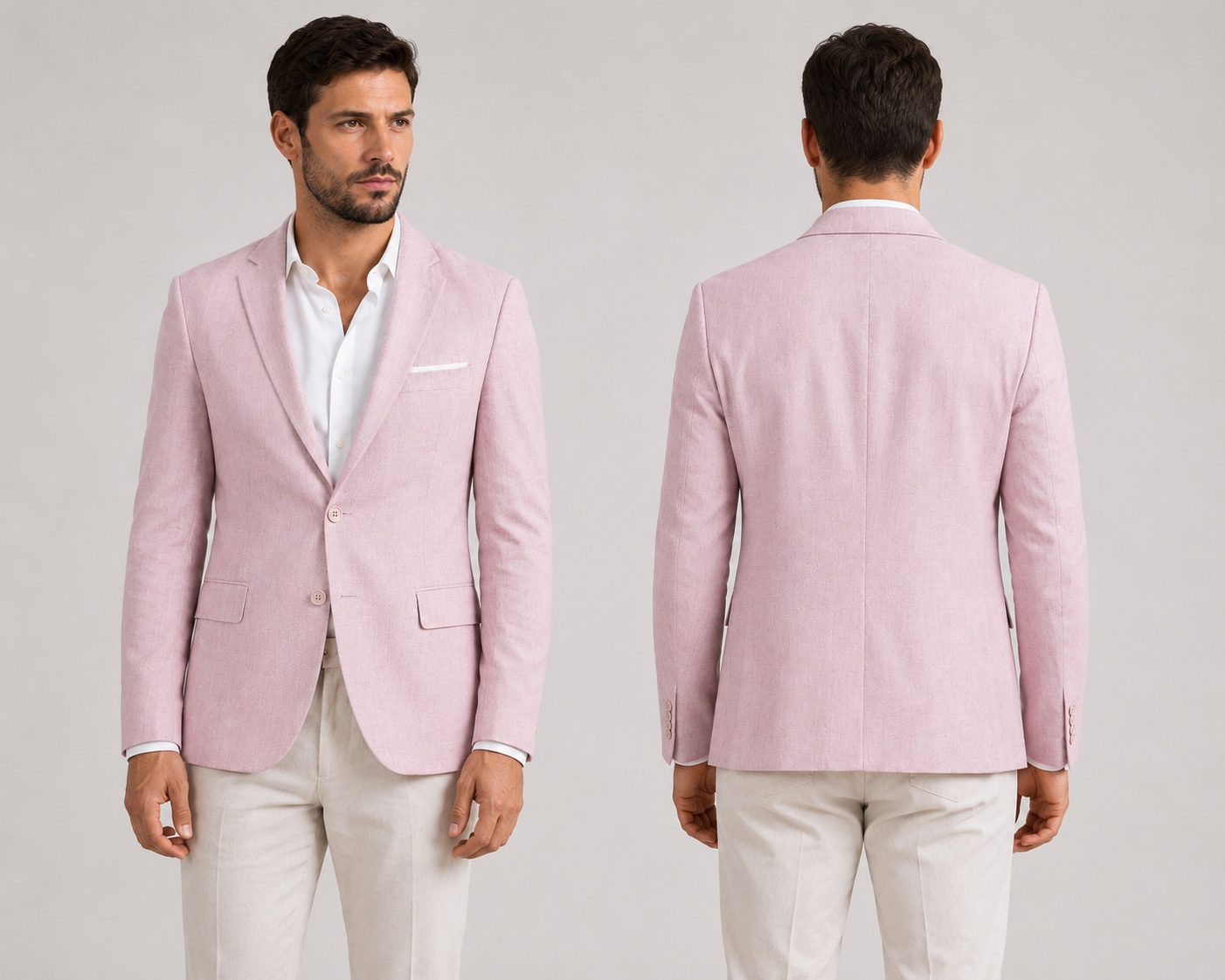
3. Confirm whether colours can be mixed
Colour flexibility depends on fabric availability, product type, and whether the order uses existing stock materials or new production. Serge or TR fabric directions may have broader colour options, while wool or wool-blend directions may have fewer available colours.
The buyer should confirm the real fabric card, colour direction, and order quantity before assuming that every colour can be mixed freely.
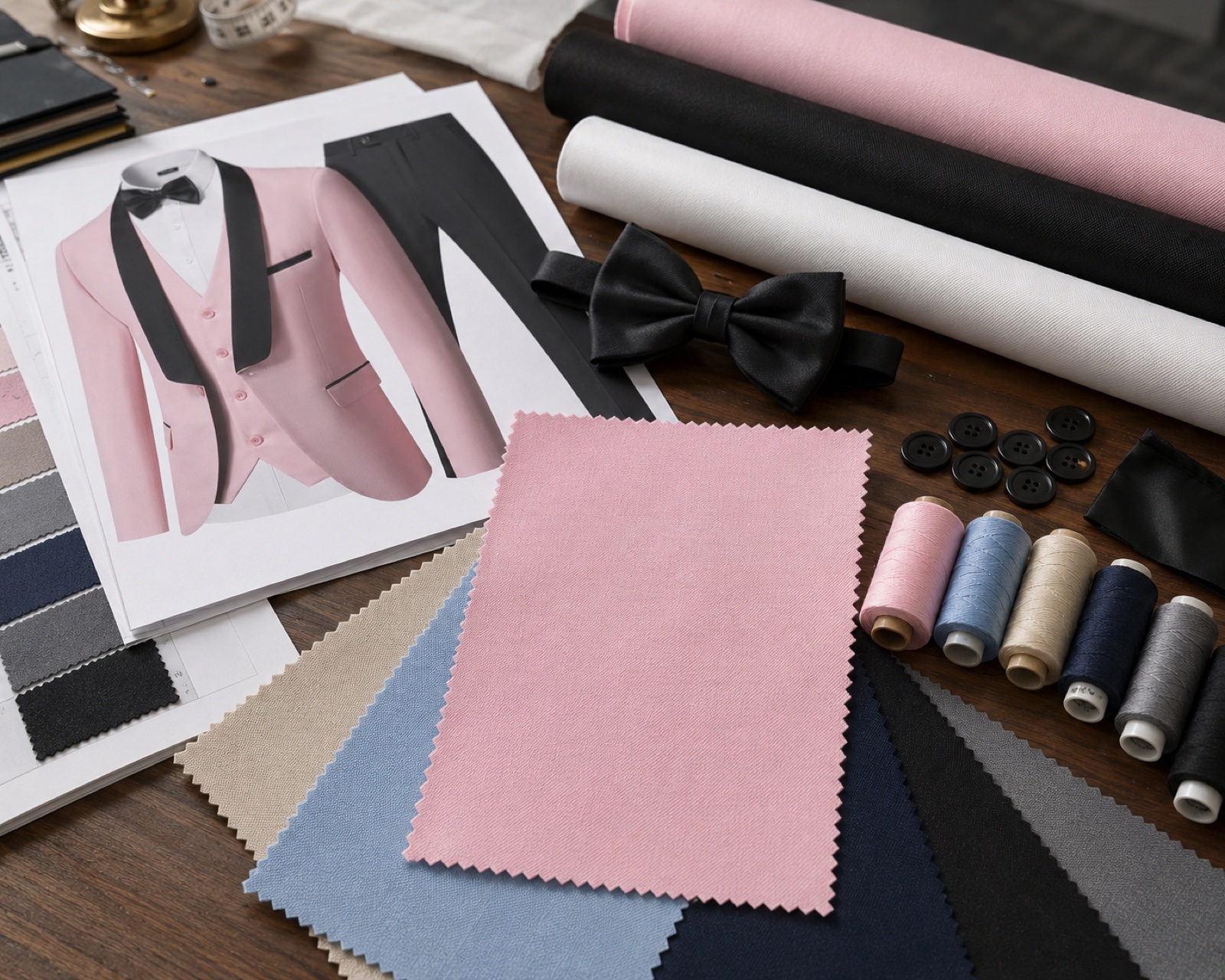
4. Connect the mix with MOQ and price tiers
Pricing for 50, 100, 250, or 500 suits should be compared with the actual number of styles, colours, size spread, fabric direction, labels, packaging, and sample requirements. A simple one-colour order is not the same as a multi-colour private-label program.
If the buyer wants custom labels, custom neck labels, branded packaging, or OEM development, these details should be included in the quotation request rather than added after price comparison.
5. Keep records for reorders
After the order is approved, keep size ratios, colour references, fabric notes, label files, packing rules, QC proof, and shipment feedback together. This helps the next order repeat the accepted standard instead of starting from memory.

Buyers can review the suit size chart manufacturer guide before approving measurement points, use the Amazon seller suit product-data guide when the matrix also needs online variation records, review suit MOQ planning, compare the wholesale suit catalog guide, read the retail chain suit supplier guide, or send a sourcing inquiry with a size and colour matrix.