
An Amazon seller suit supplier conversation should begin with a controlled product file, not only a request for catalogue images. Marketplace teams need to connect the garment they source with the listing variation, size information, colour naming, packaging, image direction, and receiving process that will support their own sales operation.
MrSure is not affiliated with Amazon. This guide addresses the practical sourcing needs of independent marketplace sellers who need to prepare a suit range for an online channel. The supplier should never be asked to infer platform requirements, final listing claims, or product compliance from a reference image alone.
1. Separate the product standard from the listing plan
Start by defining the actual garment: jacket construction, trouser or vest scope, lapel, closure, pockets, lining, fabric direction, colour range, size range, and intended customer. Then build a separate listing record that connects each proposed variation to a clear style name, colour name, size name, internal SKU, and corresponding product reference.
Avoid assigning marketing-led colour names before the buyer has confirmed the real material or approved colour reference. A garment shown on a screen may look different from the final material, lighting, or monitor. Keep the selected swatch or colour reference with the product file so the garment, imagery, and inventory record can be checked against the same standard.
2. Make the size information usable before bulk production
A generic size label is not enough for an online suit programme. Buyers should identify the points of measure, grading direction, intended fit, size names, jacket and trouser relationship, and whether components are always sold together. If the seller will publish a size chart, the chart should be reviewed against the approved sample and final garment measurements rather than copied from an unrelated listing.
Build an order matrix by style, colour, size, quantity, and destination. This helps distinguish a product-development discussion from a ready-to-receive wholesale order. It also makes later replenishment easier to compare with the accepted standard.
3. Approve sample, images, and visible details as separate checks
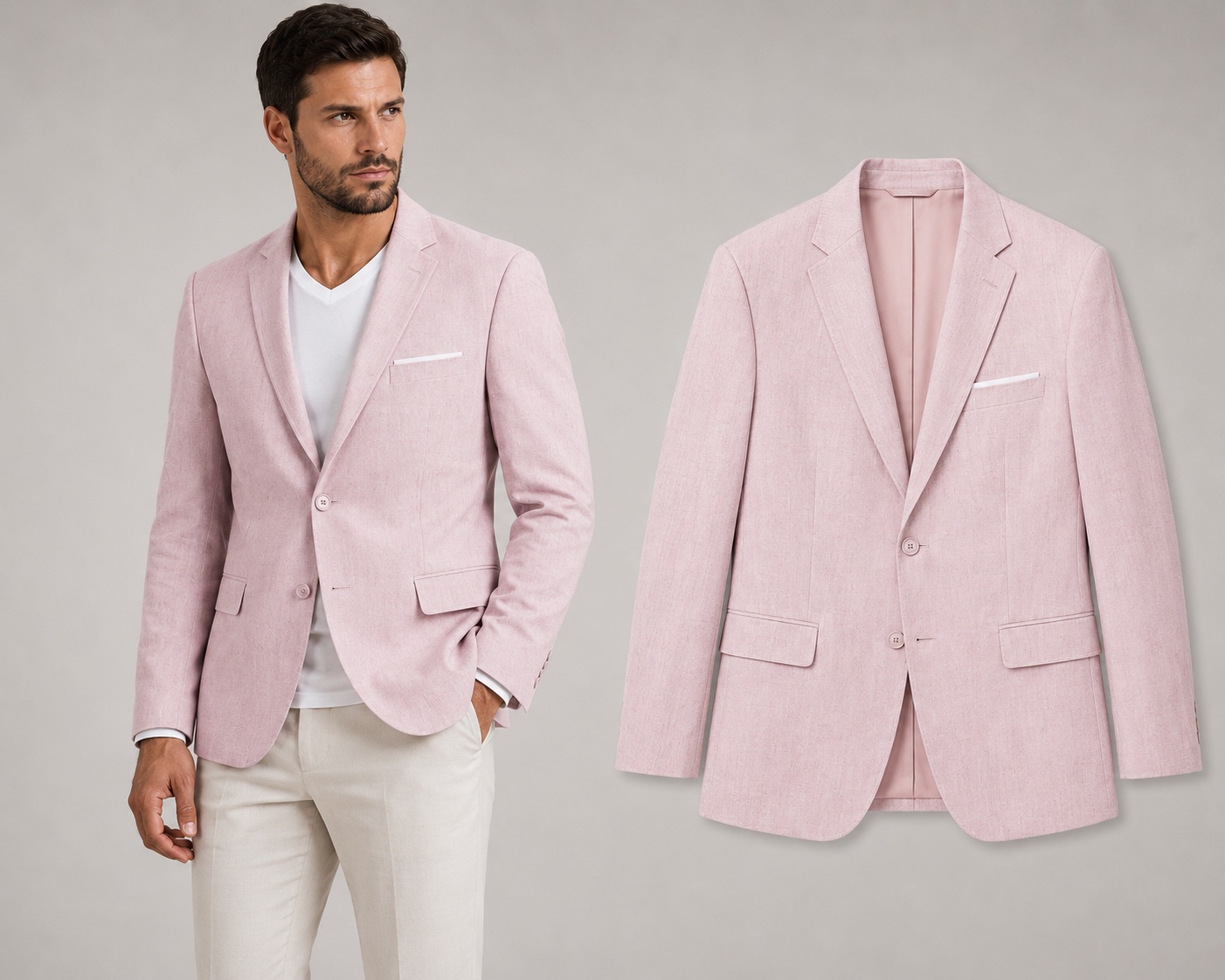
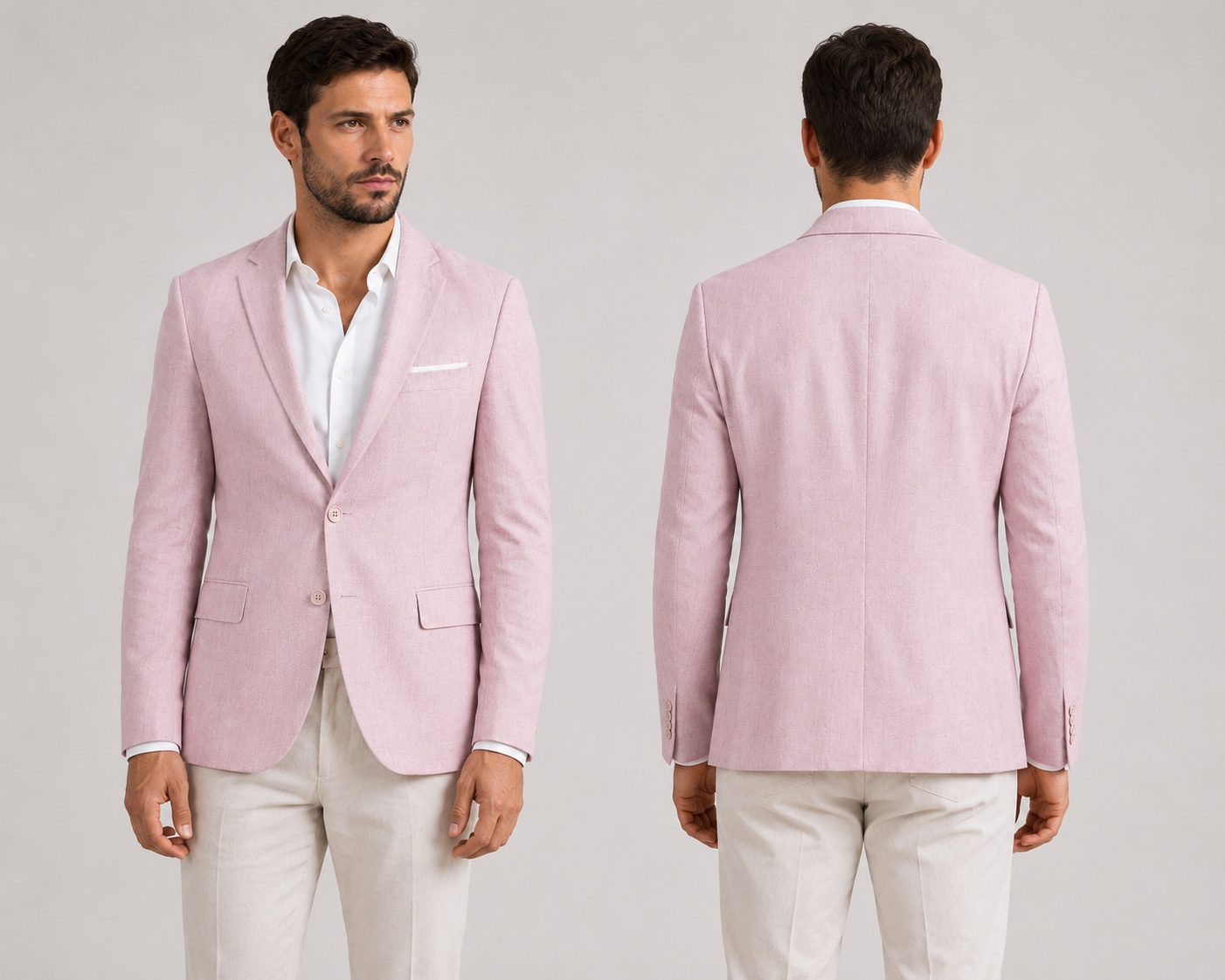
The approved sample controls the physical product. Product imagery controls how the buyer presents that product online. They should be reviewed together, but they are not the same thing. Confirm that the image reference matches the approved garment’s visible lapel, button count, pockets, vest scope, trouser cut, colour direction, and accessories before it is used as a product reference.
For an online channel, make a written list of what must be photographed or described accurately: front, side, and back views where needed; visible detail; included components; colour name; size information; packaging presentation; and any exclusions. Do not make composition, stretch, performance, origin, stock, delivery, or certification claims unless they have been separately verified for the final item.

4. Confirm packaging and receiving logic before the order is packed
Marketplace inventory needs to arrive in a form the seller can identify and receive. Before production or packing, specify the internal SKU or style code, colour, size, unit method, label placement, polybag or garment-cover direction, carton assortment, carton mark, and destination requirement. The buyer remains responsible for the final platform-specific labelling and inbound rules, but the supplier needs the agreed product and packing instructions early enough to evaluate them.
Keep a packing list and count record with the order file. If cartons are assigned to more than one warehouse or fulfilment flow, record the allocation separately. This makes it easier to distinguish a packing issue from a listing or inventory-system issue after receiving.
5. Preserve a clean reorder record
For every approved style, retain the product reference, sample notes, measurement chart, material or colour reference, label files, packing rules, final images, and inspection observations. A reorder should start from that controlled record—not from a historic marketplace screenshot that may no longer match the approved garment.
Buyers can compare the online menswear brand supplier guide, use the suit size chart manufacturer guide, review private-label suit MOQ, labels, and packaging, or send a sourcing inquiry with a product file, variation matrix, and sample priorities.